- Islamabad positioning itself politically and economically on the global front, experts say
- The shift has pushed Washington to seek assistance from Islamabad to negotiate peaceful military exit from Afghanistan
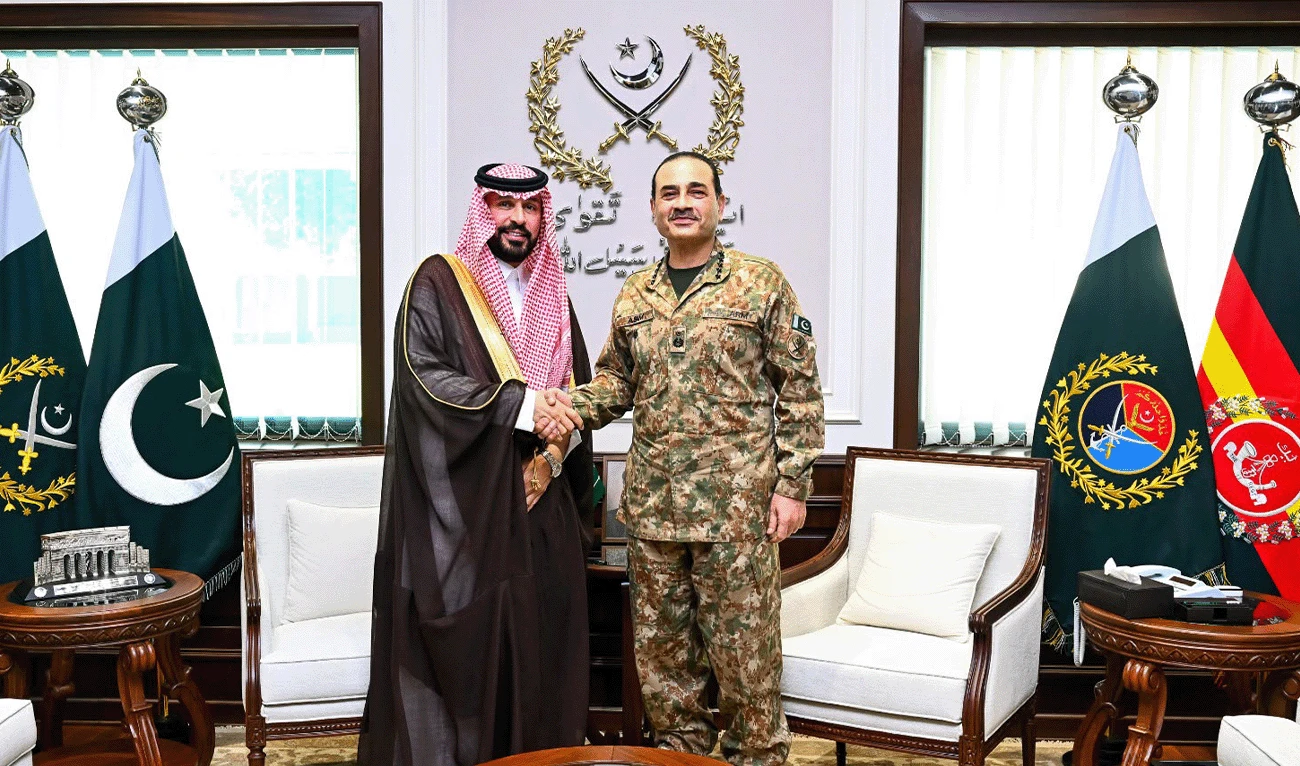
ISLAMABAD: In the six months since Prime Minister Imran Khan assumed office, his freshly-elected government has gone to great lengths to rekindle Pakistan’s historic friendship with the Kingdom of Saudi Arabia, thereby taking its political, economic, and defense relations to a brand new level.
Khan managed to bolster the country’s relations with the United Arab Emirates, too, which in turn has assured political and financial support to Pakistan.
“The relations with the Kingdom and the UAE have always been cordial. There was a dip in relations with the UAE in the past but that is now being amended,” Javed Hafeez, a retired career diplomat, told Arab News.
Those relations, he said, have evolved and today have greater potential. “Defense production, agricultural investments, and petrochemicals are some areas where the engagements are increasing and with CPEC in the pipeline, there will be huge exports of Gulf oil via Pakistan to China”.
However, the renewed ties with both the Gulf countries have also marked a paradigm shift in Pakistan’s foreign policy which, until now, depended heavily on the west. Khan made two trips to Saudi Arabia and one to the UAE after being elected to the prime minister’s office in August 2018.
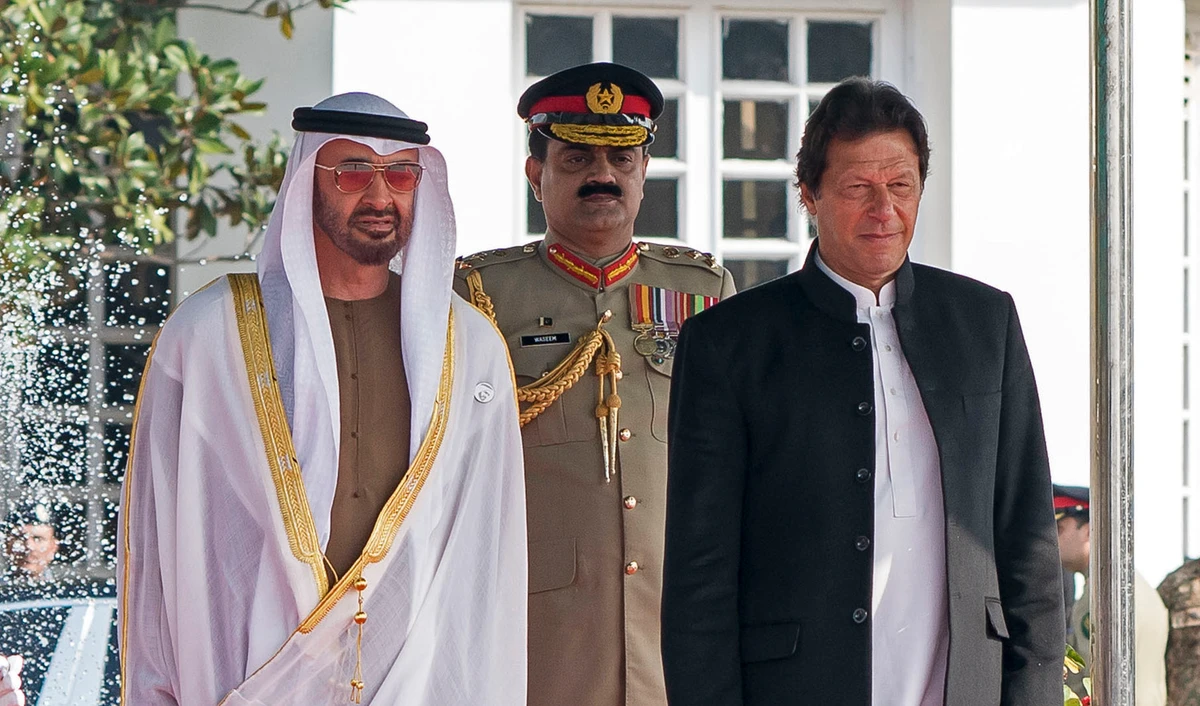
On his invitation, Sheikh Mohammed bin Zayed Al Nahyan, the Crown Prince of Abu Dhabi and Deputy Supreme Commander of the UAE Armed Forces made a brief visit to Islamabad on Sunday.
Information Minister Fawad Chaudhry claims that, in comparison, deposed ex-prime minister Nawaz Sharif’s policy had isolated the country. “He was not going out and not playing the role (we should have) in the Middle East” which undermined Pakistan’s significance and marginalized regional and international participation.
“Imran Khan’s policy is different. We want to play our role in the Middle East and therefore [the PM] has visited Saudi Arabia twice,” Chaudhry added.
In the hypothetical pages of Pakistan’s revised foreign policy, China is most important. With more than $60 billion invested in developing its flagship China Pakistan Economic Corridor (CPEC) under Beijing’s Belt and Road Initiative, experts believe the project would change the fortunes of the nuclear-armed South Asian nation of 208 million people. The project has also attracted investments from Saudi Arabia and other Arab countries.
The shift has already taken place, acclaimed author and geopolitical analyst, Imtiaz Gul, said. “It’s clear that Pakistan has traded the US for China ever since Islamabad inked agreements with Beijing in regards to CPEC,” he said, adding that Washington is cognizant of this fact which pushed President Donald Trump to reach out to Khan to negotiate the US’ exit from Afghanistan by engaging the Taliban.
Hafeez disagreed with Gul, reasoning that there is no substitute “to our relationship with the west as it’s of a different nature”. He listed examples of western countries with a large number of Pakistani expatriates that are also its major trading partners — with bigger markets, and in addition to being arms producers – vital relations which Pakistan cannot afford to lose.
The cold war era has gone so “it’s not a question of the Gulf, China or the US but all three together.” “You can keep relations with Russia, China, and with the US at the same time. Before that it was not possible”, Hafeez said.