On Friday morning in lower Manhattan, relatives will walk onto a small stage and read names aloud. There are 2,983 of them, and the reading will take most of the morning. The ceremony stops seven times, at the minutes the planes struck and the buildings came down, at the minute the Pentagon was hit, at the minute Flight 93 came down in a Pennsylvania field, and then once more at the end, for the people who have died since of what they breathed in at the site. It has been done this way for years. It will be done this way again on the 25th anniversary.
I have no claim on this ceremony, but what holds me is the thing underneath it, which is administrative rather than solemn. The reading is possible because a list exists.
Somebody made that list. In the months after September 2001, people sat in rooms and decided who belonged on it. The passengers. The people in the offices. The firefighters. The six killed when the same site was bombed in 1993. There were arguments. Names were added and a few were taken off. It took years to settle. At the end of it the country had a document that said: these are our dead, this is the number, these are their names. And they are still working on it. The seventh silence exists because the dying did not stop in 2001, and somebody decided that those deaths belonged on the list too.
Pakistan has no such document.
This is the part that is difficult to explain to anyone who did not live through the decade that followed. Ask how many Pakistanis died in the war that arrived here after that morning in New York, and you will get several answers depending on who you ask. The government has cited a figure of around 80,000. Independent monitoring groups, the Pakistan Institute for Peace Studies, the Center for Research and Security Studies, the South Asia Terrorism Portal, publish numbers that do not match the government’s or each other’s. They count different things. They start in different years. None of them is a list of names.
For a while, the most careful count of the dead from drone strikes in the tribal areas was kept by a newsroom in London. Not by us.
I was in a newsroom when it happened. My first thought was that I hoped no Pakistani was involved. No Muslim. My second thought was of my sisters, who were both in Washington that morning.
I have turned that order over for 25 years.
For readers who were not alive for it, the sequence is short. Within days of the attacks, Washington asked Pakistan for cooperation. On September 19, 2001, Gen. Pervez Musharraf went on television and told the country he had agreed. There was no parliament sitting to consult. There was no vote. One man explained a decision that had already been taken, and the country was inside it.
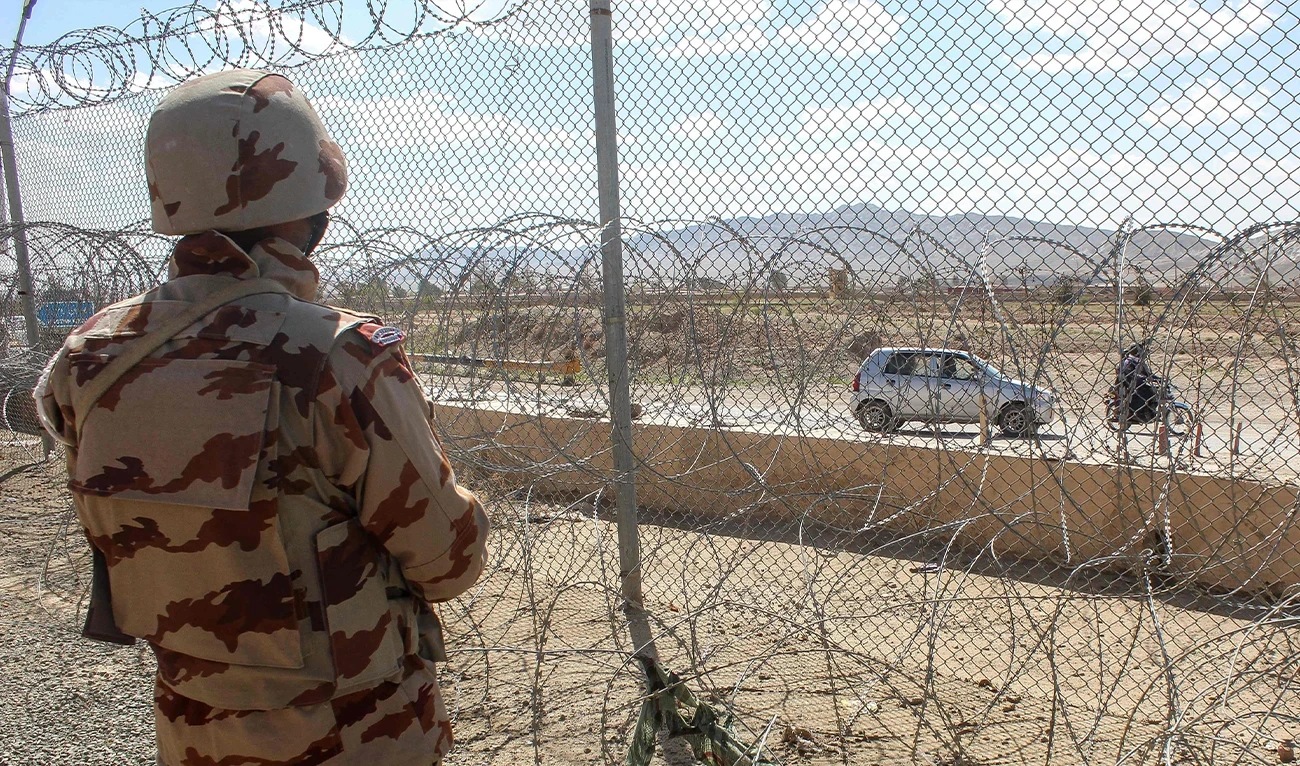
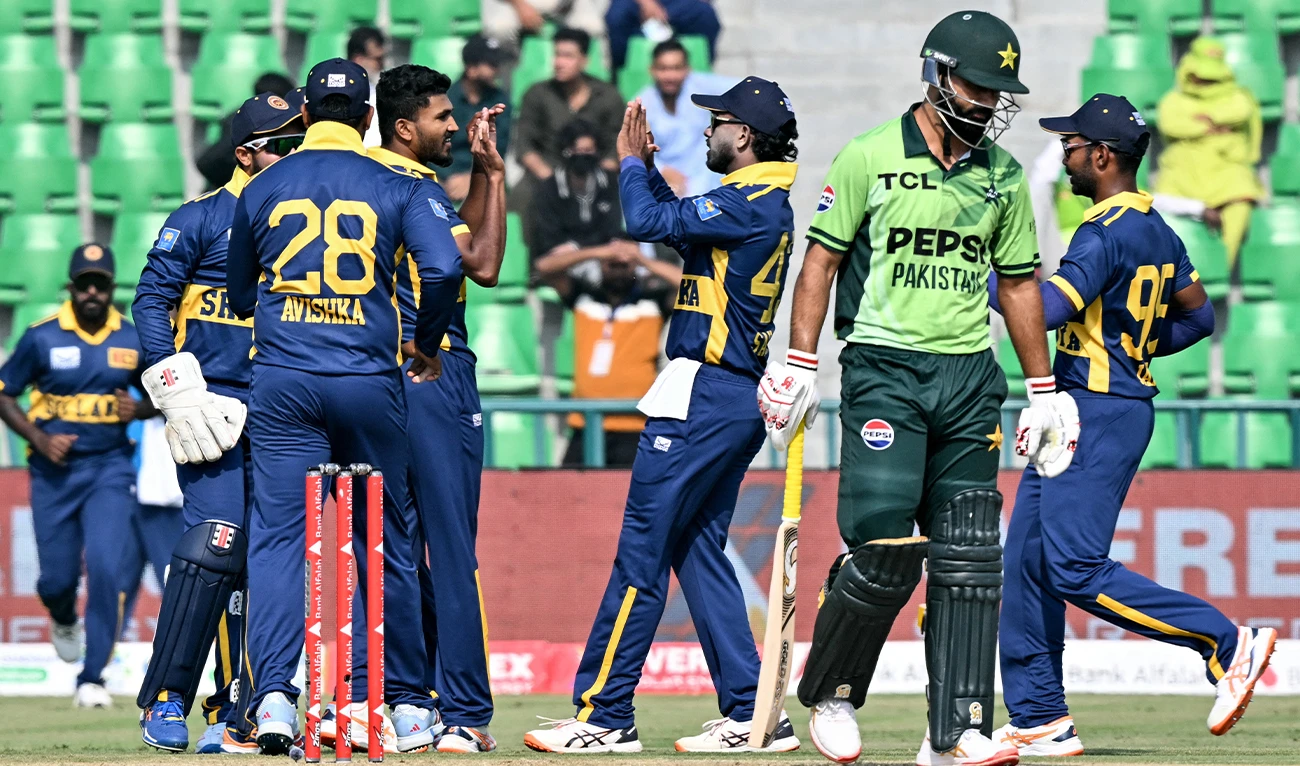
What followed was not a war fought somewhere else. It came here. It came to Peshawar and Quetta and Karachi, to mosques and churches and markets and courtrooms and cricket teams. It arrived in Waziristan as air strikes and in Lahore as bombs. The Pakistani state fought it, sometimes badly and sometimes at enormous cost to its own soldiers, and the country absorbed it for 25 years.
We wanted the world to acknowledge a number we had not troubled to produce ourselves.
Muna Khan
Some of it is remembered. There is a memorial at the Army Public School in Peshawar, and December 16 is marked every year. The military names its dead and buries them with honors. There are monuments to soldiers in garrison towns. There is nothing comparable for anyone else.
A country that cannot say how many is a country that has decided not to know. And the decision not to know is never accidental. A number makes claims possible. It makes compensation calculable, and inquiries harder to close, and it fixes responsibility in a place where responsibility can be looked up.
There is an argument that this is unfair, that Pakistan was too poor and too overwhelmed and too much at war to sit in rooms and settle a list. It is not a bad argument. But there have been quieter years than this one, and the list could have been made in any of them, and it was not. Those are the same years in which every government said our sacrifices had gone unrecognized abroad. We wanted the world to acknowledge a number we had not troubled to produce ourselves.
Twenty-five years on, the numbers are going the wrong way. The Global Terrorism Index published in March put Pakistan first in the world for the first time in the index’s history, on the strength of 1,139 deaths in 2025, the country’s worst year since 2013. In July the military said that for the first time since 2023, more security personnel had been killed than militants.
So, this anniversary is not really a retrospective here. It is a status report.
On Friday the reading in Manhattan will take most of the morning, and every one of those names will be spoken aloud. It is worth asking how long our ceremony would take, if we ever decided to hold one. We do not know. That is the answer, and it has been the answer for 25 years.
-Muna Khan is a member of staff. X: @LedeingLady