- Changes to Khan’s team include key appointment of political old hands who have served in the past under failing governments and military rulers
- Analysts warn the cabinet reshuffle will not immediately improve the government’s performance or restore the public’s trust
ISLAMABAD: Pakistani Prime Minister Imran Khan on Friday defended his decision to make sweeping changes in his cabinet, as analysts warned of a prolonged period of political uncertainty and remained skeptical that the shakeup would help steady Pakistan’s wobbly economy and bring prosperity to the country.
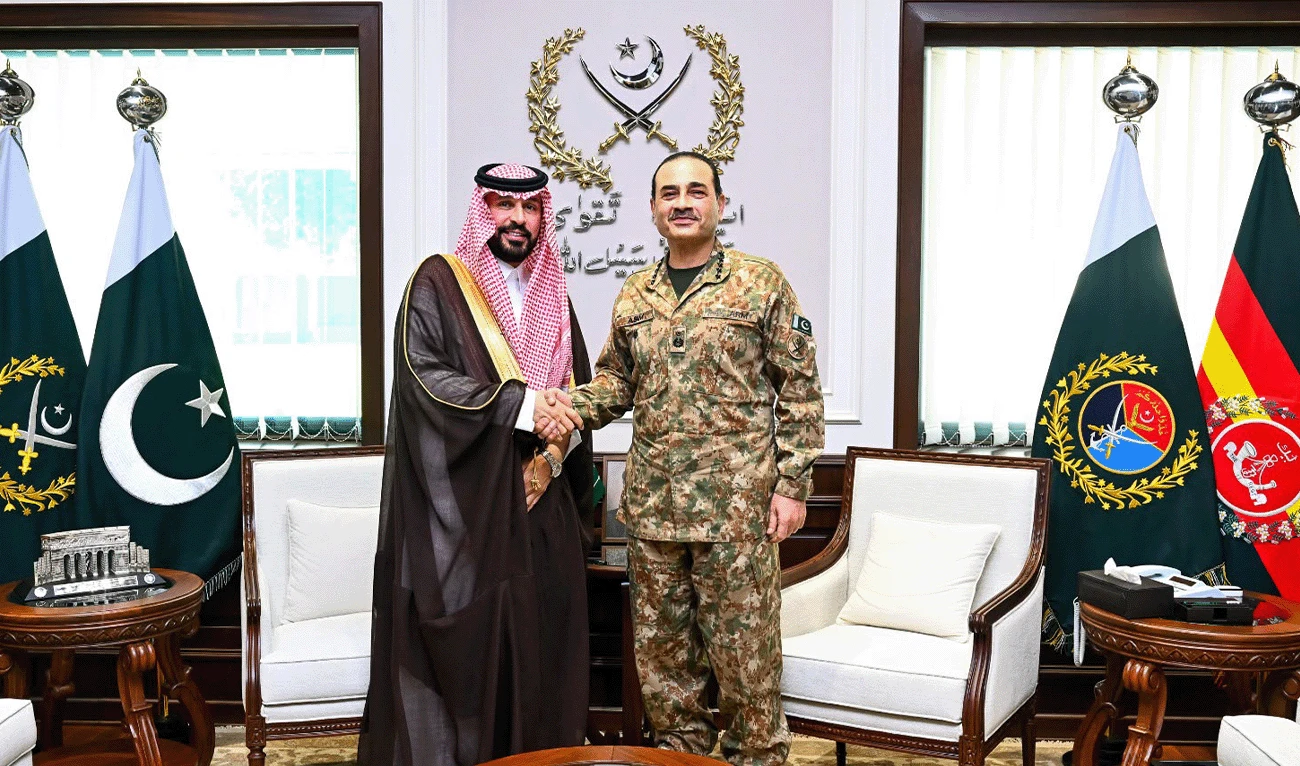
The changes to Khan’s team, announced late on Thursday night, come just eight months into his Pakistan Tehreek-e-Insaf (PTI) party’s five-year term and saw key appointment of political old hands widely criticized for having served in the past under failing governments and military rulers.
But Khan said he had the right as leader of the country to remove anyone from office if they did not perform.
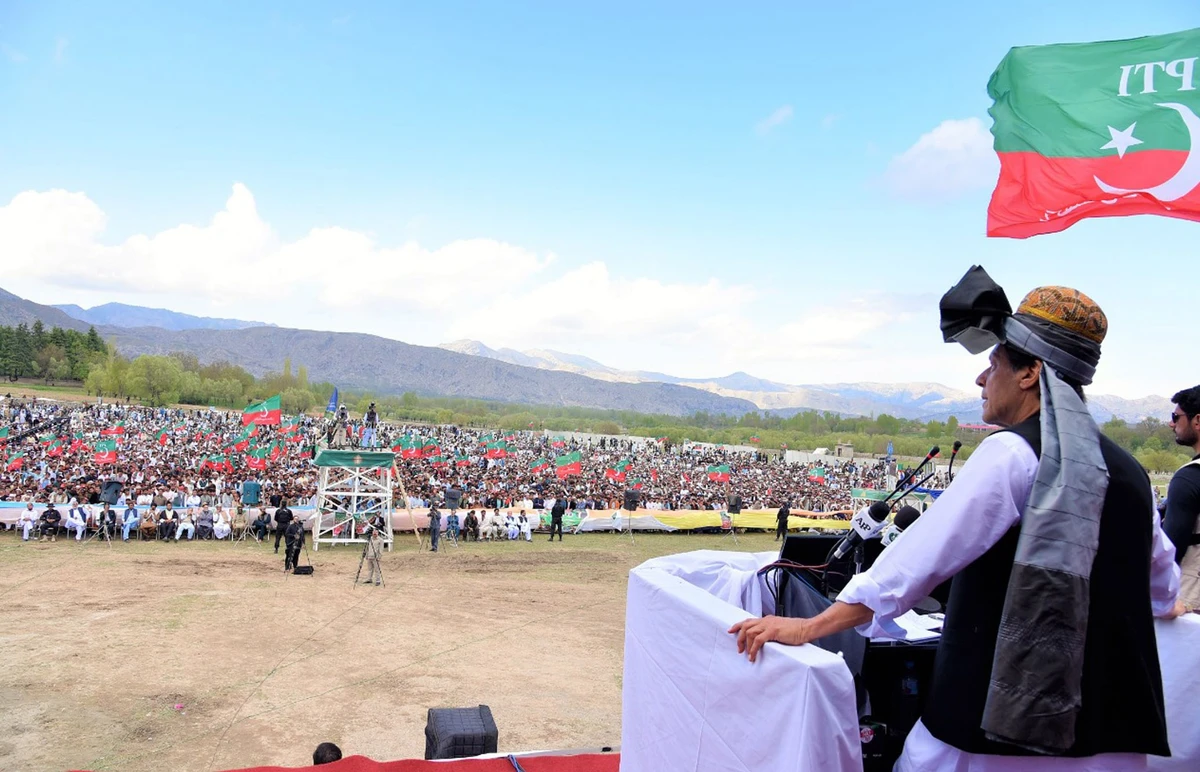
“I want to tell all ministers that whoever isn’t beneficial for my country, I will change him and bring someone who is beneficial for the country,” Khan, a cricketer-turned-politician, said in an address to a rally in Orakzai in northwestern Pakistan. “If a player isn’t performing, we either change the batting order or we change him and bring another player.”
“The prime minister has one mission, to make his team win, and my mission is that I lead my nation to victory, I help it rise,” Khan added. “For that, I have changed the batting order of my team, and I will do this in the future also.”
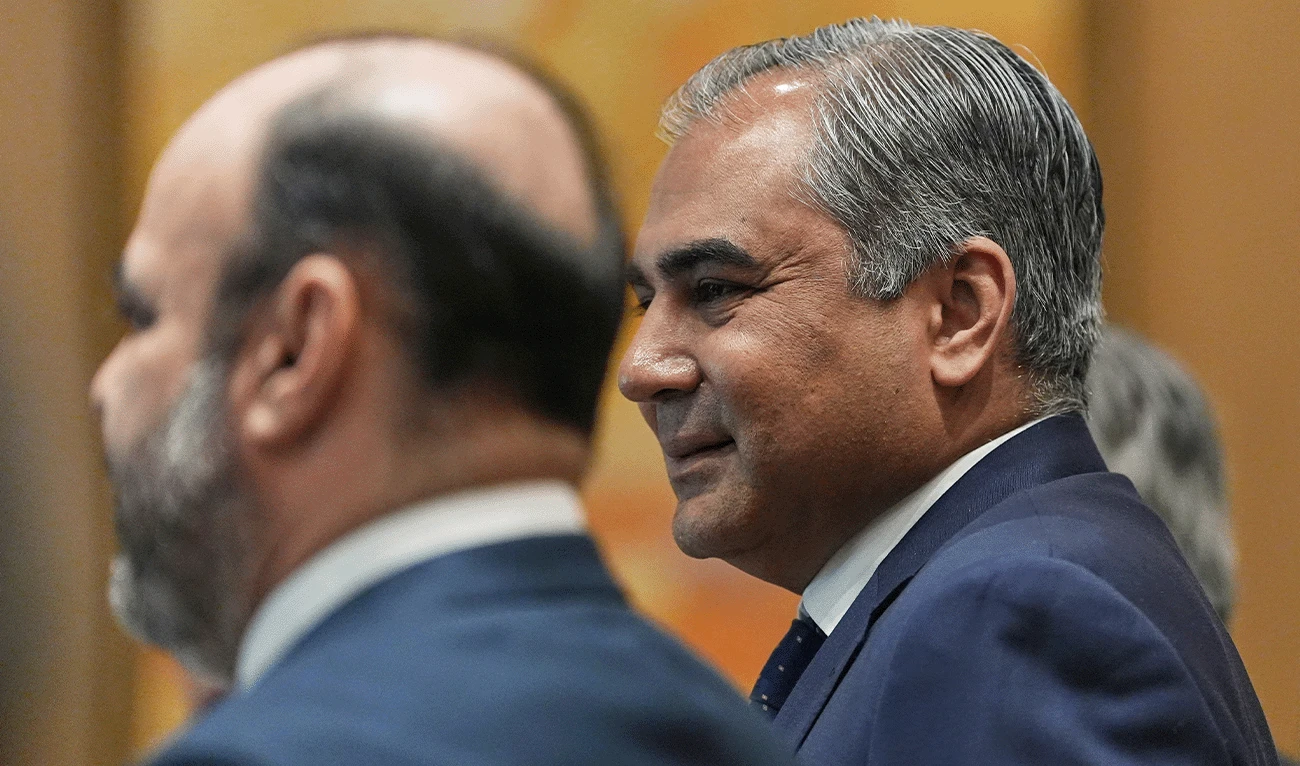
Abdul Hafeez Shaikh, the centerpiece of the reshuffle, has been appointed as the de facto finance minister. He has previously served as finance minister from 2010-2013 under the opposition Pakistan Peoples Party when it was in power and was minister for privatization during the government of former military ruler General Pervez Musharraf.
Khan also changed the portfolio of influential information minister Fawad Chaudhry, who has been a member of the Pakistan People’s Party and a Musharraf supporter in the past. Chaudhry will now serve as minister for science and technology while Firdous Ashiq Awan, previously from the Pakistan People’s Party, has been put in charge of the Information Ministry as special assistant to Khan.
The cabinet reshuffle had been expected for weeks amid reports that Khan had become disenchanted with Finance Minister Asad Umar over a worsening economic outlook on his watch and delays in securing a bailout package from the International Monetary Fund.
Inflation, at its highest in more than five years, has shocked many Pakistanis who voted for Khan and his promise to eradicate poverty, create jobs and build an Islamic welfare state. Pakistan’s central bank last month lowered growth forecasts and the rupee currency has also lost about 35 percent since December 2017.
But analysts warned that the cabinet shakeup was ill-timed and would not immediately improve the government’s performance or restore the public’s trust.
“This reshuffle may help settle some internal wrangling and power struggle in the ranks of the government, but in the long run it won’t have any positive impact on its performance,” Zebunnisa Burki, an editor at The News, told Arab News. “The political chaos created through the ill-timed reshuffle doesn’t repose much confidence in the government.”
Columnist and senior fellow at Tabadlab Mosharraf Zaidi said a shakeup just eight months into the government’s term revealed a “dangerous lack of patience” on the part of the prime minister in understanding and dealing with the challenges facing him, particularly on the economic front.
“The cabinet assignments that have been moved around show a contempt for performance,” he said. “Because if the problem was lack of performance, then why were cabinet members just reshuffled and not simply removed.”
“This is not a PTI government. This is a government essentially of the Musharraf era … laundered Musharraf-era talent,” Zaidi said in reference to the appointments of Shaikh, Awan, Chaudhry and other leaders who have served under Gen Musharraf.
Umair Javed, a writer and sociology professor at the Lahore University of Management Sciences, said the shakeup had increased “political uncertainty.”
“This sudden and drastic change is not well received,” he said. “It seems like this was not a well thought out strategy … it shows the government itself is unsure about its long-term planning and strategy to deal with chronic issues like the economy.”
It was unfair to assess the performance of any ministry after a mere eight months, Javed added, especially when the government had promised major structural reforms to steer the country out of crisis.
“The government still has time to decide its direction,” he said. “Otherwise the people will have no choice but to pour on to the streets against it.”