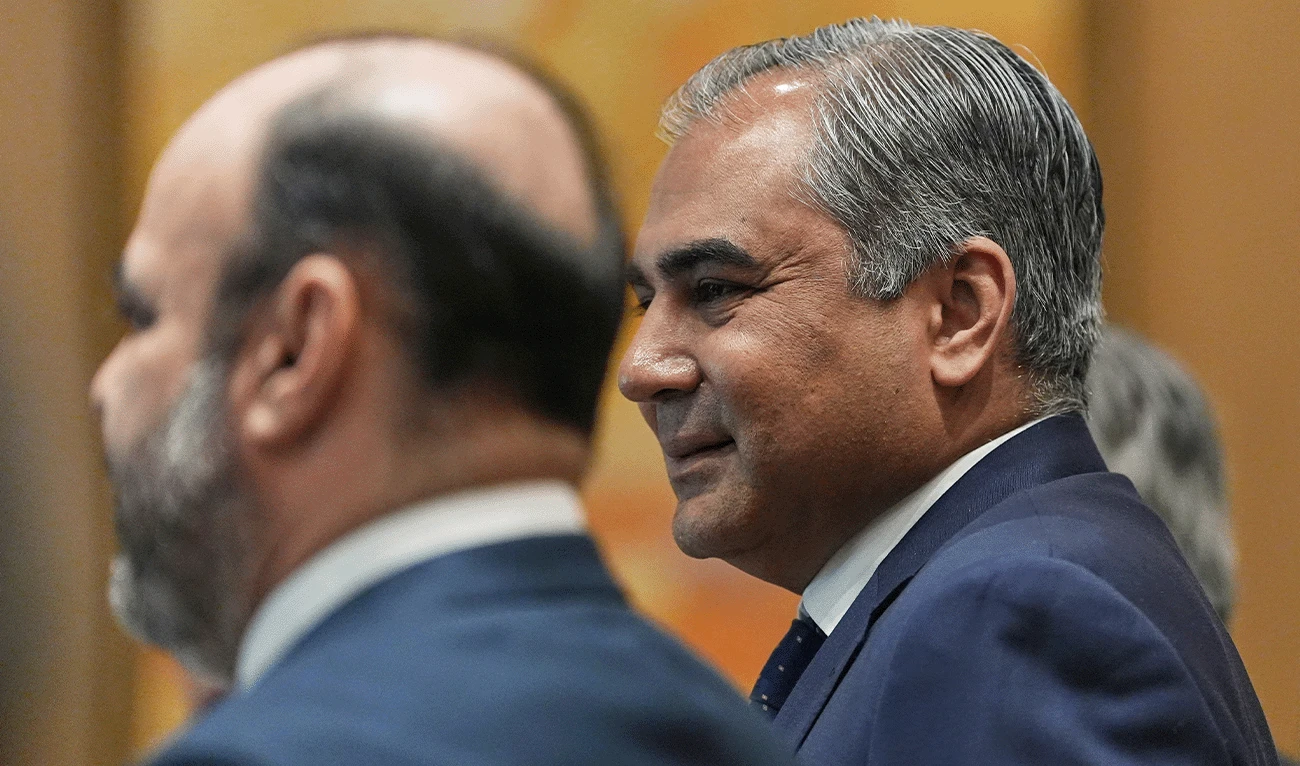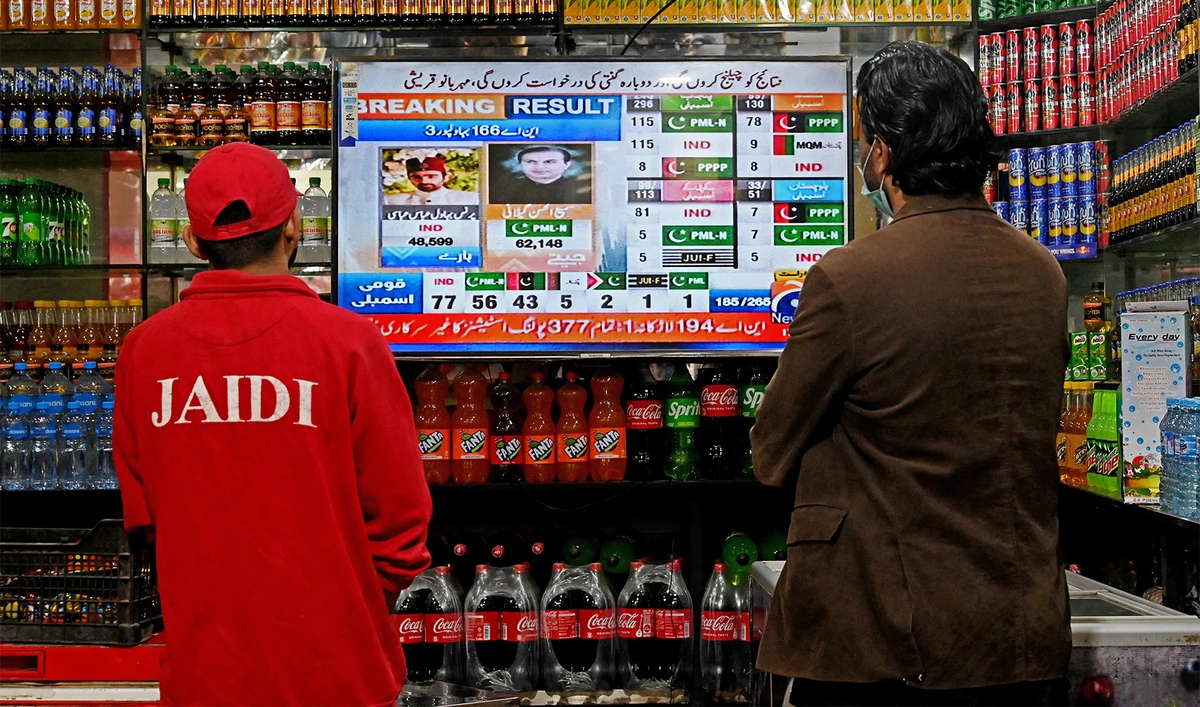
- Sharif’s PML-N party and Bhutto Zardari led-PPP are trying to finalize modalities of new coalition government
- Discussions are about appointments to key posts in new set-up, convincing junior partners to accept cabinet positions
ISLAMABAD: A political stalemate in Pakistan continued on Thursday as two major political parties struggled to build consensus on a power sharing formula for a coalition government following a split mandate in last week’s national election.
Special committees were set up to discuss government formation on Tuesday by the Pakistan Muslim League-Nawaz (PML-N), which emerged as the largest party in the National Assembly after Feb. 8 elections, and the Pakistan People’s Party (PPP), which came in second place. Discussions revolve around appointments to important posts in the new set-up and convincing junior partners to join the administration and accept cabinet positions.
The PPP has backed Shehbaz Sharif, the younger brother of PML-N founder Nawaz Sharif, as the choice for PM but has as yet not committed to joining the government, indicating it would support a minority government from the outside.
But political uncertainty remains as independent members of parliament, backed by the Pakistan Tehreek-e-Insaf (PTI) party of jailed ex-PM Imran Khan, formed the largest group in the legislature after the vote, but cannot form a government on their own, having run as individuals and not a party.
Khan is himself in jail and was barred from running in the election. His PTI is at loggerheads with the powerful military and alleges that the vote was rigged. The caretaker government and election commission have rejected those accusations and the army has called for “maturity and unity.”
“It is decided in second round of the meeting regarding the government formation that representatives of both the committees will hold a third round tomorrow [Friday] after consultation with their political leadership to finalize the recommendations,” PML-N secretary-information Marriyum Aurangzeb said in a statement after Thursday’s meeting.
Last Thursday’s polls were marred by a mobile service shutdown and unusually delayed results, leading to accusations that the vote was rigged and drawing concern from rights groups and foreign governments. Several political parties and candidates have held protests against the results since Feb. 8 and Khan’s PTI has challenged many of the results in court.
The Pakistani caretaker government says the measures were taken as the run-up to elections was marred by attacks on rallies, election offices and candidates. Twenty-eight people were killed in a number of attacks in the Balochistan and Khyber Pakhtunkhwa provinces bordering Afghanistan on the eve of elections and at least 16 people perished in attacks on polling day itself.
Protests against ‘rigging’ continued in the Balochistan province on Thursday and the Jamat-e-Islami religious party has planned a protest in Islamabad tomorrow, Friday, outside the National Press Club. The PTI has also given a call for nationwide protests on Saturday.