- The prime minister says Pakistan could not have averted default without a bailout from the international lender
- He calls for taking full advantage of the loan program to advance agriculture, industry and strengthen economy
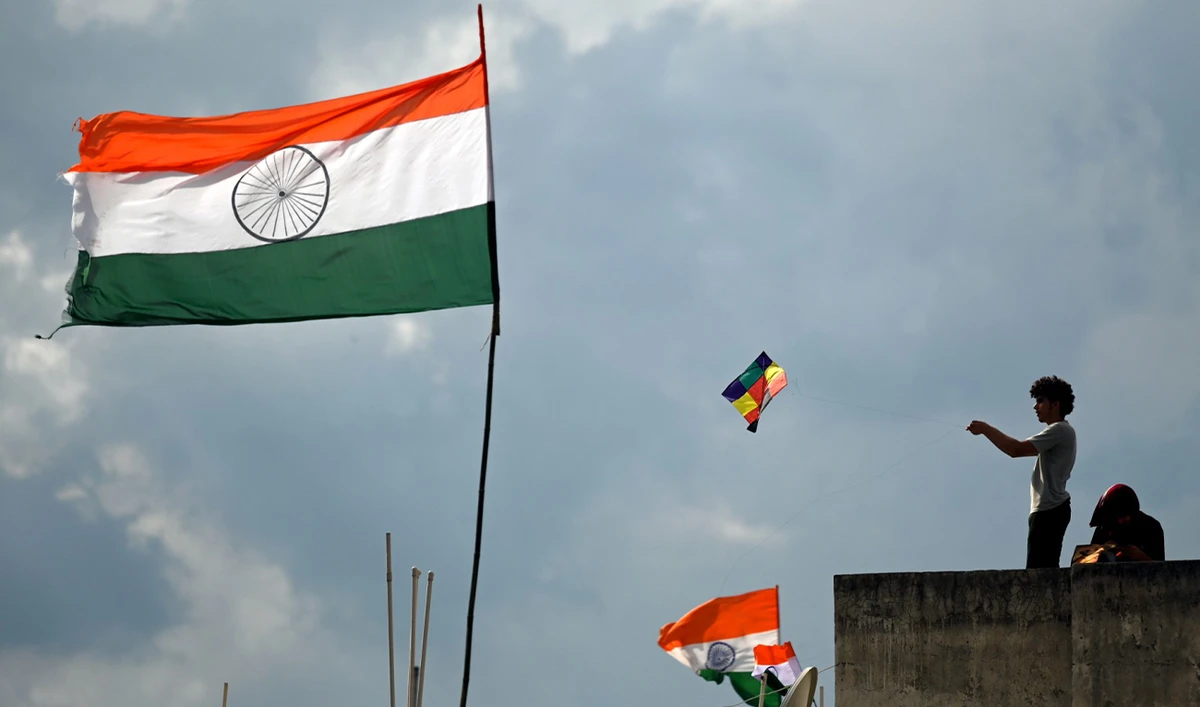
ISLAMABAD: Prime Minister Shehbaz Sharif on Saturday highlighted the example of Indian economy, saying that New Delhi had not gone to the International Monetary Fund (IMF) to seek financial assistance for over three decades while Pakistan was still continuing its reliance on the international lender.
Sharif’s administration had to deal with an unprecedented economic downturn after it ousted former prime minister Imran Khan’s government in a no-confidence vote in April last year.
Faced with a major balance of payment crisis, record-high inflation, depreciating currency value, and critically low forex reserves, the ruling coalition took stringent economic measures and entered prolonged negotiations with the IMF to secure external financing.
While the government ultimately reached a $3 billion stand-by arrangement (SBA) with the international lender, it faced criticism by people amid an economic slowdown and rising cost of essential commodities.
“I am compelled to cite the example of India, but it only went to the IMF in 1991 after which it never did so again, but Pakistan has to repeatedly go to the IMF for help,” the prime minister said while addressing an educational ceremony in Lahore.
However, he also expressed his disagreement with people who believed Pakistan could have averted the risk of default without going to the IMF, adding it was necessary to revive the bailout program since the economy was in shambles.
“We had to beg before the IMF to complete Pakistan’s ongoing program because the scenario was such that we were compelled to do so,” he said.
The prime minister said that Pakistan should convert the temporary respite in the form of the $3 billion IMF bailout into an opportunity through the vision of advancing its industries and agriculture.
He also reiterated the need for a “charter of economy” that could be followed by governments, pointing out that it was significant to adopt long-term policies to foster prosperity and reduce the country’s reliance on the IMF.