- Pakistan accounts for 48 percent of MENAAP’s extreme poor, according to the report
- Muhammad Aurangzeb cites cash aid, fuel subsidies and job creation to tackle poverty
ISLAMABAD: Pakistan’s Finance Minister Muhammad Aurangzeb has acknowledged the country’s growing poverty challenge following a World Bank report showing that nearly half of the poorest people in its newly defined Middle East regional grouping live in Pakistan.
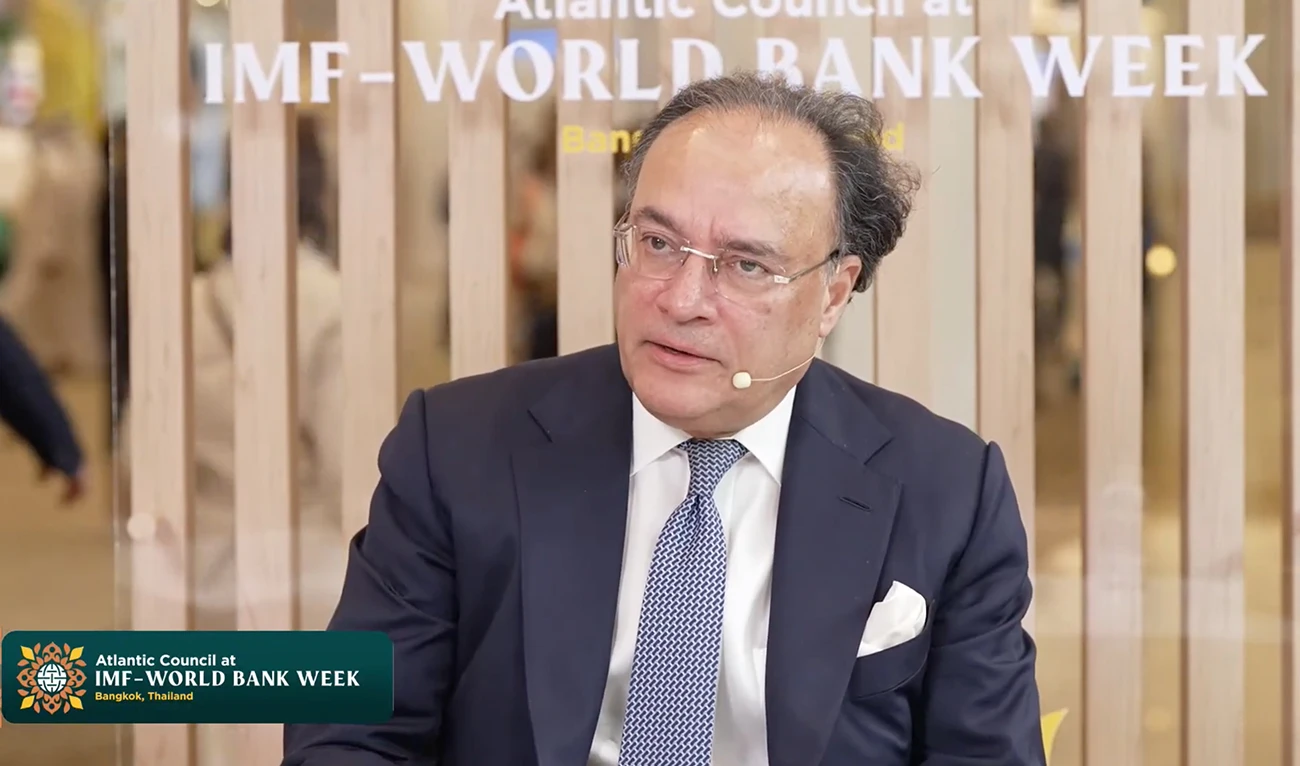
Speaking to Michael Kugelman of the Atlantic Council on the sidelines of the IMF-World Bank Annual Meetings in Bangkok, Aurangzeb said Pakistan’s recent inclusion in the Middle East, North Africa, Afghanistan and Pakistan (MENAAP) region had affected regional poverty comparisons but acknowledged that poverty remained a serious challenge for the country.
The World Bank’s October economic update found that Pakistan accounted for 48 percent of people living below the $3-a-day international poverty line in the region in 2024. Separate country-level estimates show poverty in Pakistan has increased in recent years, reflecting economic shocks and declining household purchasing power.
“It starts with acknowledgement,” Aurangzeb said when asked how the government intended to tackle poverty despite improvements in inflation, foreign exchange reserves and broader macroeconomic stability. “There are a number of things which are underway at this point in time.”
The World Bank’s decision to move Pakistan from its South Asia reporting region into MENAAP has attracted attention since the lender published its latest economic assessment earlier this month.
Aurangzeb said the comparison partly reflected the inclusion of a country with a population of around 250 million alongside several wealthy, less populous Middle Eastern economies.
“We were previously in the South Asia bucket, and now administratively, we have been put in the MENA region,” he said.
Khurram Schehzad, an adviser to the finance minister, said last week that the reclassification was purely administrative and statistical, and did not alter Pakistan’s geographical identity or income classification.
He argued that adding a populous country such as Pakistan to a regional grouping would naturally change its aggregate poverty figures, and that meaningful comparisons should instead use country-level data measured against the same poverty threshold and reference year.
However, the World Bank’s findings also point to a deterioration in poverty within Pakistan itself. Its latest country assessment estimates that the national poverty rate rose from 22 percent in 2018-19 to 29 percent in 2024-25, leaving around 70 million people living in poverty.
The lender attributed the deterioration to a combination of economic shocks, including the COVID-19 pandemic, devastating floods in 2022, high inflation, currency depreciation and a prolonged period of economic adjustment.
It also warned that economic growth had been insufficient to create enough productive jobs for Pakistan’s expanding workforce, while declining real wages had eroded household incomes.
CASH SUPPORT AND JOB CREATION
Aurangzeb said the government was pursuing immediate financial assistance alongside longer-term measures aimed at generating employment and improving incomes.
He cited an allocation of Rs838 billion ($3 billion) for the Benazir Income Support Program (BISP), Pakistan’s principal cash assistance initiative for vulnerable households, and said payments under its Kafaalat program would increase in January.
The planned increase had previously been announced by the government.
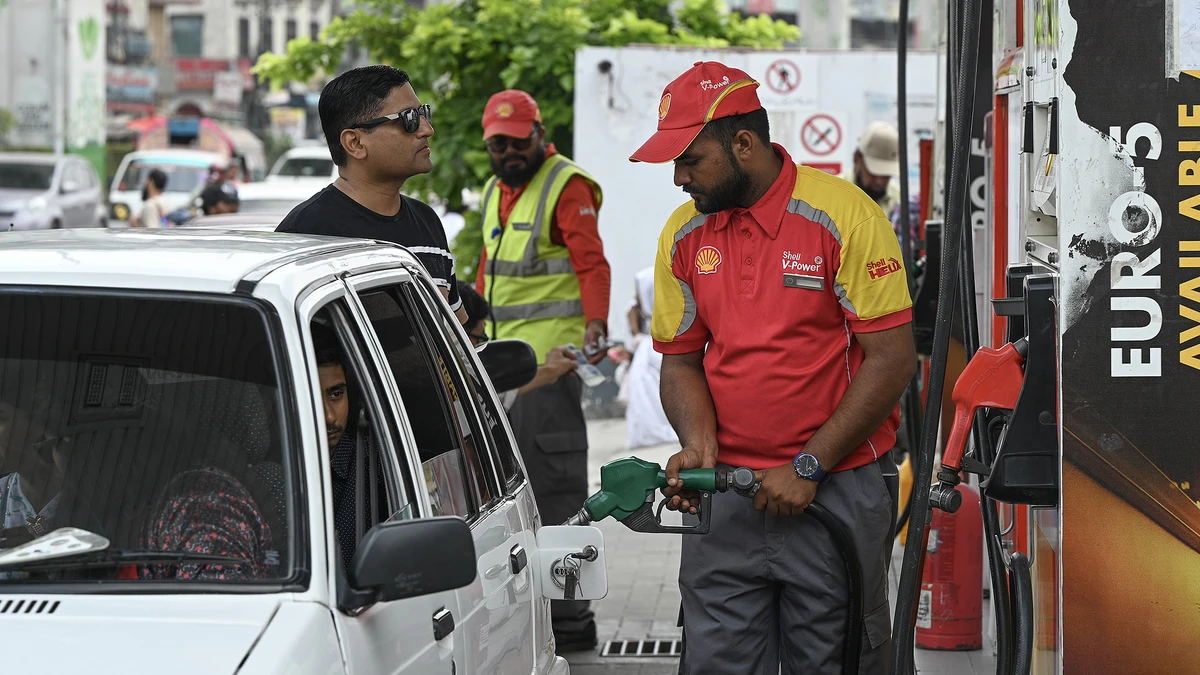
The minister also highlighted targeted fuel subsidies for motorcycle riders, three-wheeler operators and owners of small cars, saying around 10 million individual users had benefited.
“With an average household of 4-5 are 40-50 million people who have benefited,” he said.
Aurangzeb said the government was also working to improve access to financing for small and medium-sized enterprises and affordable housing.
But he acknowledged that cash transfers and targeted subsidies alone could not resolve the country’s underlying poverty challenge.
“And growth leads to job creation, and that is going to be ultimately what is going to be the structural solution to this,” he said.
Pakistan’s economy grew by 3.7 percent in the fiscal year ending June 2026, according to government figures, with Aurangzeb expecting growth of around 4 percent in the current fiscal year.
The minister said the government wanted to avoid repeating past economic cycles in which consumption-driven expansion increased imports, placed pressure on foreign exchange reserves and eventually forced Pakistan to seek further external financial assistance.
He said investment- and export-led growth, alongside improvements in education, health care and workforce skills, would be necessary to make economic progress sustainable.