- Iranian FM to attend Islamic bloc’s Oct. 17–18 meeting alongside counterparts from Pakistan, Egypt, Türkiye
- Talks come as Houthi attacks on Saudi Arabia intensify and US–Iran negotiations remain deadlocked
ISLAMABAD: Iran and Pakistan are expected to hold fresh consultations on regional peace efforts during an Islamic foreign ministers’ meeting in Baghdad this weekend, Iranian state news agency IRNA reported on Thursday, amid escalating Middle East tensions.
The planned talks come as Iran-backed Houthi rebels intensify attacks on Saudi Arabia’s civilian and energy infrastructure, raising fears of a wider regional confrontation. Pakistan, which has helped mediate between Washington and Tehran, is also bound by a collective defense agreement with Saudi Arabia and Türkiye.
Diplomatic efforts to end the US–Iran war, which began with American and Israeli strikes on Iran in February, remain stalled over disagreements concerning the Strait of Hormuz and the terms of a broader settlement. The conflict has disrupted global energy supplies and increased pressure on regional economies.
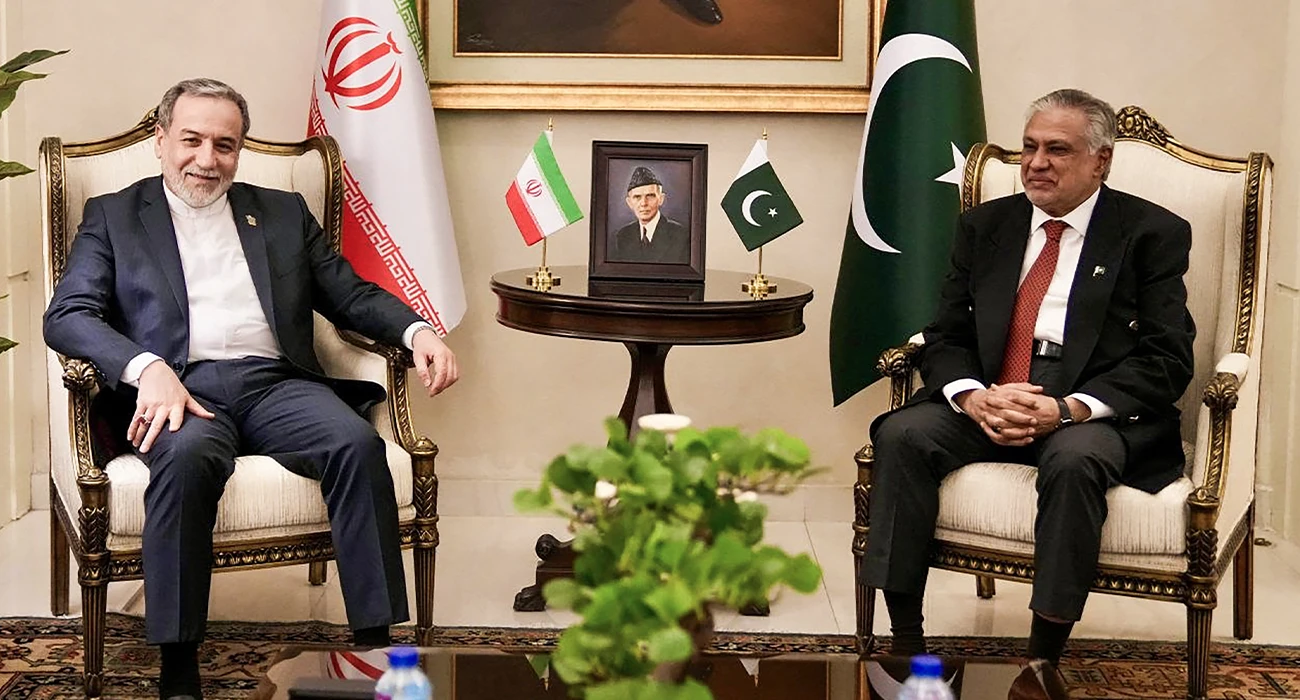
Iranian Foreign Minister Abbas Araqchi is scheduled to travel to Iraq on Saturday for the 52nd session of the Organization of Islamic Cooperation’s Council of Foreign Ministers, taking place on Oct. 17–18. Foreign ministers from Pakistan, Egypt and Türkiye are also expected to attend, according to IRNA.
“Fresh consultations among key regional players— including Tehran and Islamabad— will take place on the sidelines of the Baghdad meeting,” the news agency reported.
The report did not specify whether Araqchi would hold a separate bilateral meeting with Pakistani Foreign Minister Ishaq Dar or identify the issues to be discussed.
The diplomatic gathering follows a series of Houthi attacks on Saudi Arabia, including a deadly strike on Riyadh’s King Khalid International Airport and an attack targeting Saudi Aramco’s headquarters in Dhahran.
Pakistan, Saudi Arabia and Türkiye signed a collective defense agreement in August, under which an attack on one member is considered an attack on all three. The countries have since discussed steps to strengthen their defensive coordination.
Iran said this week it was reviewing Washington’s response to its proposal for reopening the Strait of Hormuz, a vital global energy route, and would communicate its position through intermediaries.
The Baghdad meeting will also address the Palestinian crisis, Yemen and other regional conflicts, according to the OIC, which has called for stronger collective efforts to restore stability.
The consultations could provide another opportunity for regional governments to explore diplomatic options, although no new peace initiative or negotiating framework has been announced.