- Joint sitting endorses emergency rule after separate approvals by both houses on Wednesday
- Interior minister says nearly all opposition demands were accepted before talks collapsed
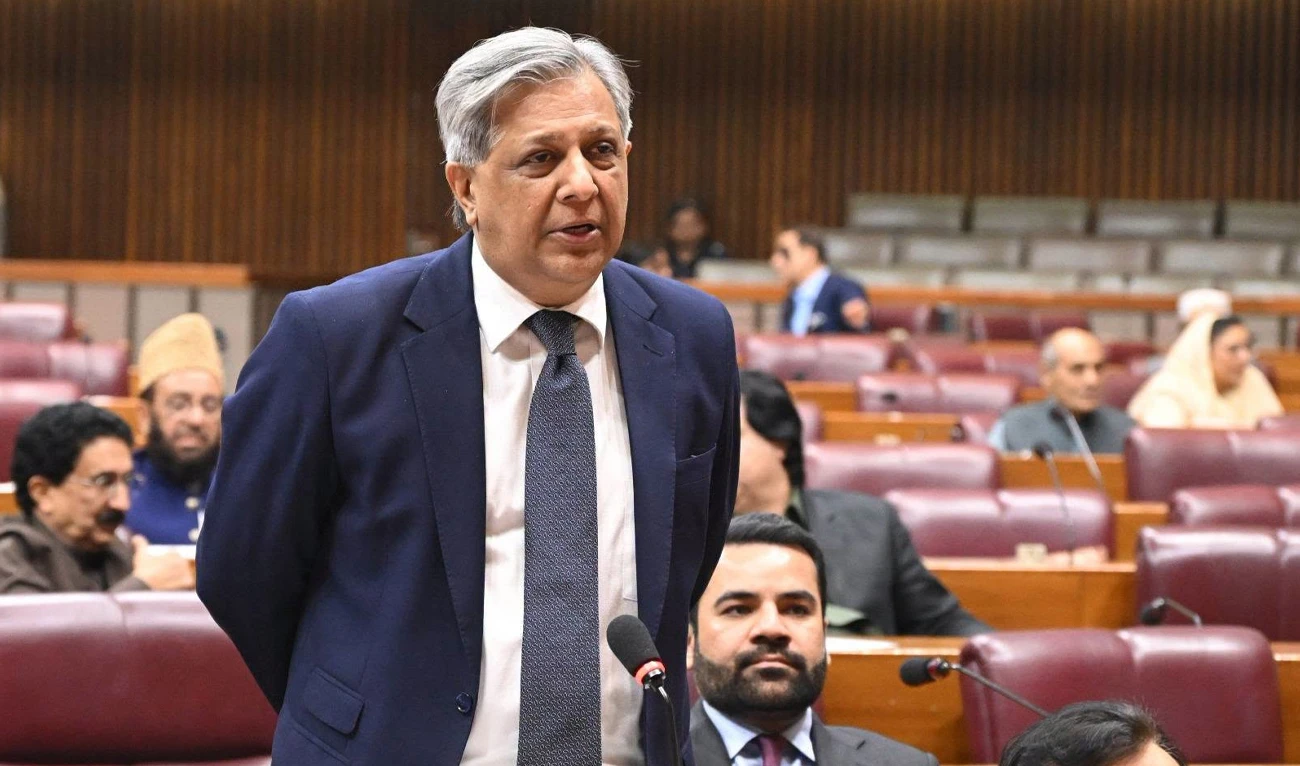
ISLAMABAD: Pakistan’s parliament on Thursday approved emergency and governor’s rule in the northwestern Khyber Pakhtunkhwa province, endorsing a presidential decision that suspended the government of jailed former Prime Minister Imran Khan’s party, as Interior Minister Mohsin Naqvi defended the move and renewed an offer of political negotiations with the opposition.
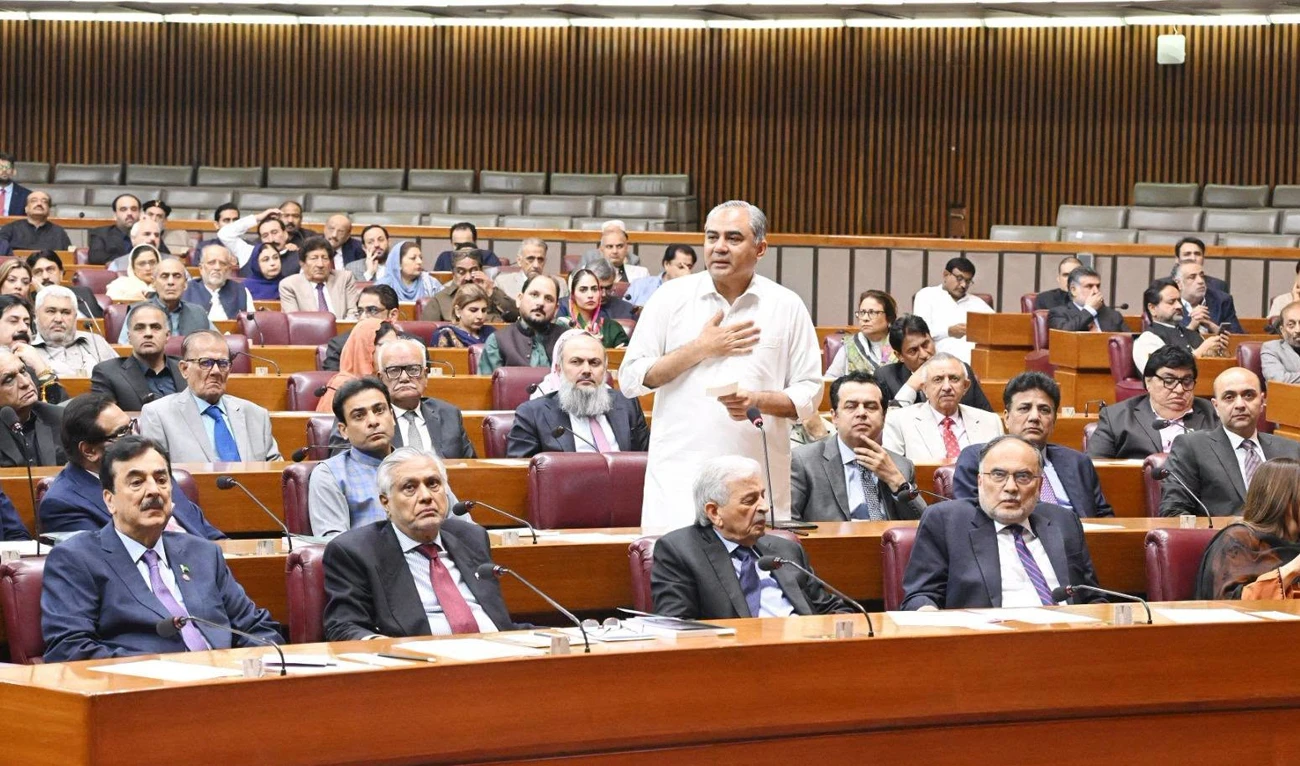
The approval at a joint sitting of the National Assembly and Senate followed separate endorsements of the emergency proclamation by both houses on Wednesday, after President Asif Ali Zardari imposed the measures on Oct. 11, citing rising militant violence and the provincial administration’s alleged failure to cooperate with federal authorities.
Addressing lawmakers, Naqvi said the government had made repeated attempts to resolve differences with Khan’s Pakistan Tehreek-e-Insaf (PTI) party, including during negotiations earlier this month, and remained willing to hold talks, provided opposition representatives had the authority to make decisions without referring them back to Khan in prison.
“We are ready, we were ready before, and we are still ready,” Naqvi said, adding that government negotiators would seek a mandate from Prime Minister Shehbaz Sharif to make decisions during the talks.
He said the government had proposed a meeting between the prime minister and opposition leaders to initiate political dialogue, followed by the formation of a committee to discuss outstanding disputes.
Naqvi said nearly all the opposition’s demands had been accepted during previous negotiations, with the remaining disagreement concerning a proposal to end PTI’s protest march toward Islamabad.
He said the government had not imposed deadlines on opposition negotiators and had waited for them to complete their internal consultations.
The interior minister also rejected allegations that the government had used the threat of militancy to justify its political actions, saying it had spent months trying to secure the provincial administration’s cooperation in counterterrorism efforts.
He recalled a meeting of the provincial Apex Committee in Peshawar in February, attended by senior military and civilian officials, at which participants agreed to jointly combat militant violence.
Naqvi said the government had also proposed allowing the provincial administration to declare emergency measures in 12 districts, an arrangement he claimed opposition representatives had initially accepted.
He accused the provincial leadership of subsequently failing to support security operations, alleging that the chief minister had declined to accompany security forces because of the political consequences.
Naqvi said the federal government had tried until the last moment to avoid imposing emergency rule, but the failure of negotiations and the deteriorating security situation had left it with no alternative.
Parliamentary Affairs Minister Tariq Fazal Chaudhry moved resolutions seeking approval of the presidential proclamations under Articles 232 and 234 of the constitution in the same session. The emergency resolution passed by 240 votes to 46.
The measures have suspended the PTI-led provincial government and transferred its executive powers to the governor, assisted by an 11-member advisory council, effectively placing the province under federal control.
PTI has rejected the government’s allegations of failing to confront militancy, describing the emergency as a politically motivated attempt to dismantle its provincial administration and suppress protests demanding Khan’s release.
The party has also challenged the emergency measures in the Peshawar High Court, arguing that they undermine provincial autonomy and the mandate of an elected government.