- The country can retain the global market share by providing quality products, say industrialists
- Experts believe Pakistan must adopt consistent policies to boost the exports to $40 billion in five years
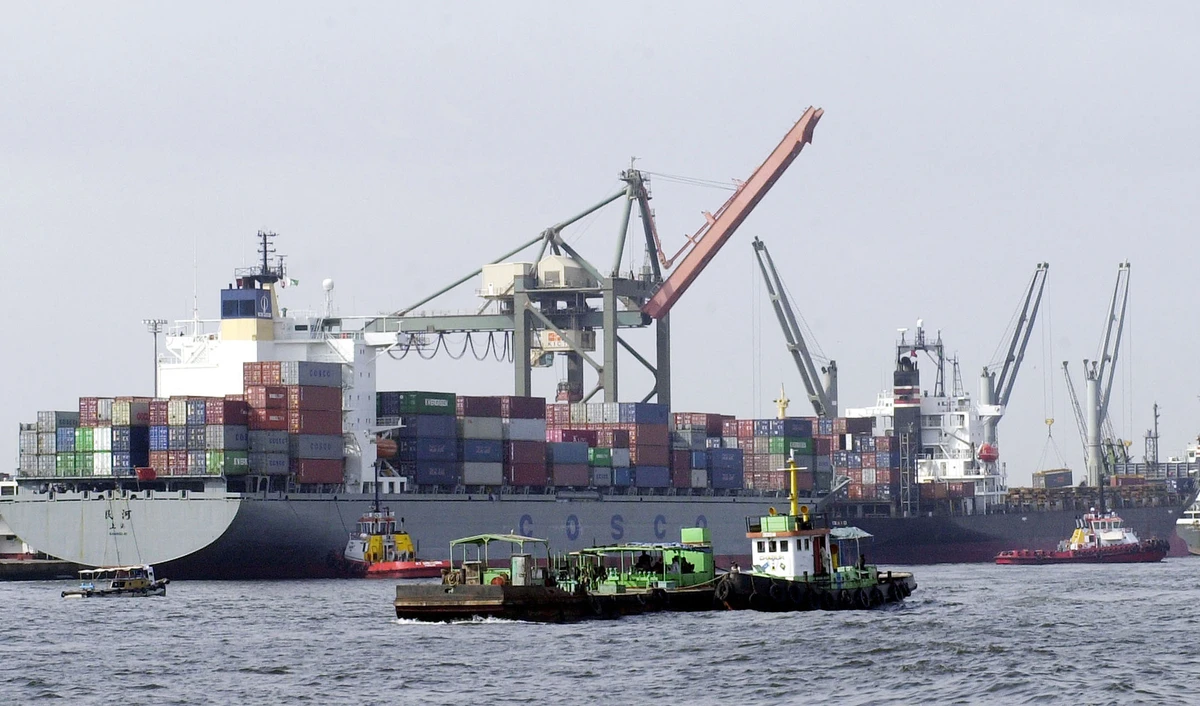
ISLAMABAD: Pakistani exports registered a whopping increase of over 13 percent in February when compared to the corresponding month of the last year as the country received more orders from the international market amid the coronavirus pandemic.
Global stock markets, businesses, manufacturing and production have slowed down since January when the novel coronavirus outbreak was first reported in China’s Wuhan city that has now spread to more than 80 countries and territories.
The virus has killed more than 3,300 people, most of them in mainland China, with more than 95,000 global cases.
The country has registered an increase of 13.82 percent in the exports with a 1.71 percent decrease in imports, bringing down the balance of trade to 14.61 percent in February, according to the Pakistan Bureau of Statistics.
Pakistan’s total exports were recorded at $24.7 billion in the last fiscal year which the government is struggling to double in the next five years to bridge the fiscal deficit, avert balance of payments crisis and boost foreign exchange reserves.
“The recent increase in our exports is mainly attributed to the coronavirus crisis which has slowed down global production, especially in China,” Shahid Sattar, executive-director of the All Pakistan Textile Mills Associations, told Arab News on Thursday.
He said that Pakistani exporters had started getting more orders from different countries after the spread of coronavirus since it decelerated production and manufacturing activities in China, one of the largest exporters to the developed countries.
“We will be able to retain this global market share and increase our exports manifold in the coming months, provided that our exporters maintain the quality of their products,” Sattar said.
Pakistan has devalued its currency by approximately 32 percent in the last two years and introduced a number of incentives for manufacturers and industrialists in a bid to boost its exports. The country also secured a $6 billion bailout package from the International Monetary Fund (IMF) in May last year, promising to let the currency exchange rate adjust to market conditions.
“The increase in the export figures is a sign that the economy of the country is moving in the right direction,” Abdul Razak Dawood, Adviser to Prime Minister Imran Khan for Commerce, Industry and Investment, said on Thursday.
Economists and experts have, however, urged the government to formulate a long-term export policy to retain the upward trend and increase the country’s access to global markets.
“Until and unless we boost our competitiveness in the global market with respect to Bangladesh, Turkey and Vietnam, we won’t be able to sustain the increase in our exports,” Haroon Sharif, senior economist and former chairman of the Board of Investment, told Arab News.
He said that Pakistan would need to increase its exports to at least $40 billion in the next five years to boost its foreign exchange reserves and strengthen its economy to a level where it can avoid IMF loans.
“It’s a long struggle to boost the exports, and we need to be consistent in our policies to achieve the goal,” Sharif added.