- Pakistan’s rupee declines by 0.41% against US dollar on Friday, according to central bank data
- Analysts hope inflows from global financial institutions, exporters’ proceeds will stabilize rupee
KARACHI: Pakistan’s currency and equity markets closed the weekend trading session on a bearish note on Friday, as the currency recorded a 0.41% depreciation against the US dollar and the key stock index shed by 0.9% points, with analysts attributing the decline to lack of foreign inflows, dwindling foreign reserves and surging losses from cataclysmic floods.
Pakistan’s national currency, the rupee, traded as low as Rs237 before closing at Rs 236.84 after recouping from some of its earlier losses. The currency has lost its value by Rs 7.02 or 3 percent during the week, according to the State Bank of Pakistan (SBP).
The rupee remained unchanged in the open market at Rs 241 for selling, according to the Exchange Companies Association of Pakistan.
“Pakistan’s rupee continues to post negative gains against the dollar amid a lack of foreign inflows needed to calm the currency market,” Tahir Abbas, head of research at Arif Habib Limited, a brokerage firm, said. “The demand for dollars, for import payments, remains high.”
“Exporters are also not bringing in their export proceeds, which is also exerting pressure on the Pakistani rupee,” Abbas added. “However, at these levels, it is expected that they will bring export proceeds [soon].”
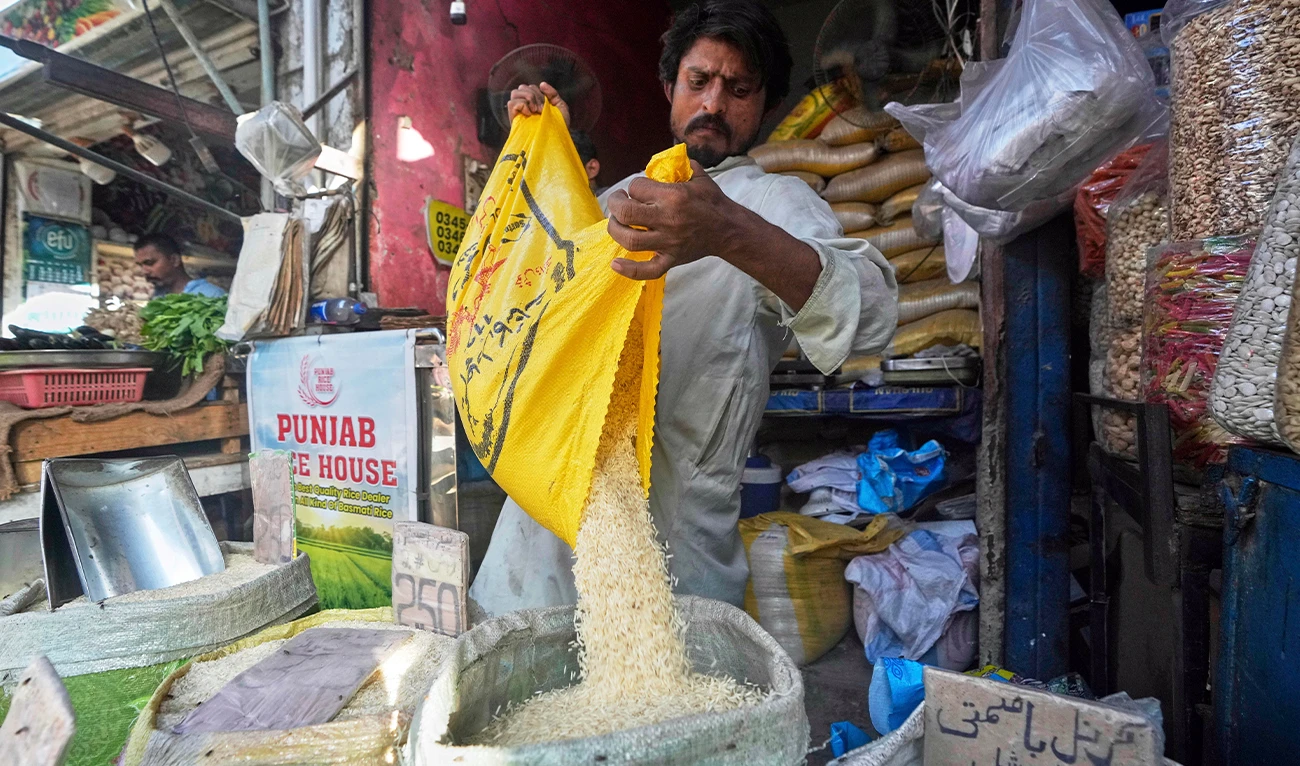
Pakistan has recorded a $3.5 billion trade deficit in the first two months of the ongoing fiscal year, as the country’s imports stood over $6 billion, which included over $1 billion worth of food items.
The rupee is also under pressure from huge losses to crops, infrastructure, humans and livestock caused by unprecedented floods. Over 1,500 people have been killed in Pakistan since mid-June in rain-related incidents, Pakistan’s disaster management authority said.
Pakistan’s foreign exchange reserves have declined by $176 million to stand at $8.6 billion during the week ended on September 09, 2022. The decline was caused by external debt and other payments, the SBP said.
However, analysts believe the rupee would recover after inflows of around $2 billion from the Asian Infrastructure Investment Bank and Asian Development Bank are received.
“The rupee is expected to rebound and is likely to stabilize around the Rs 210 level within a month after inflows from international financial institutions and export proceeds,” Abbas added.
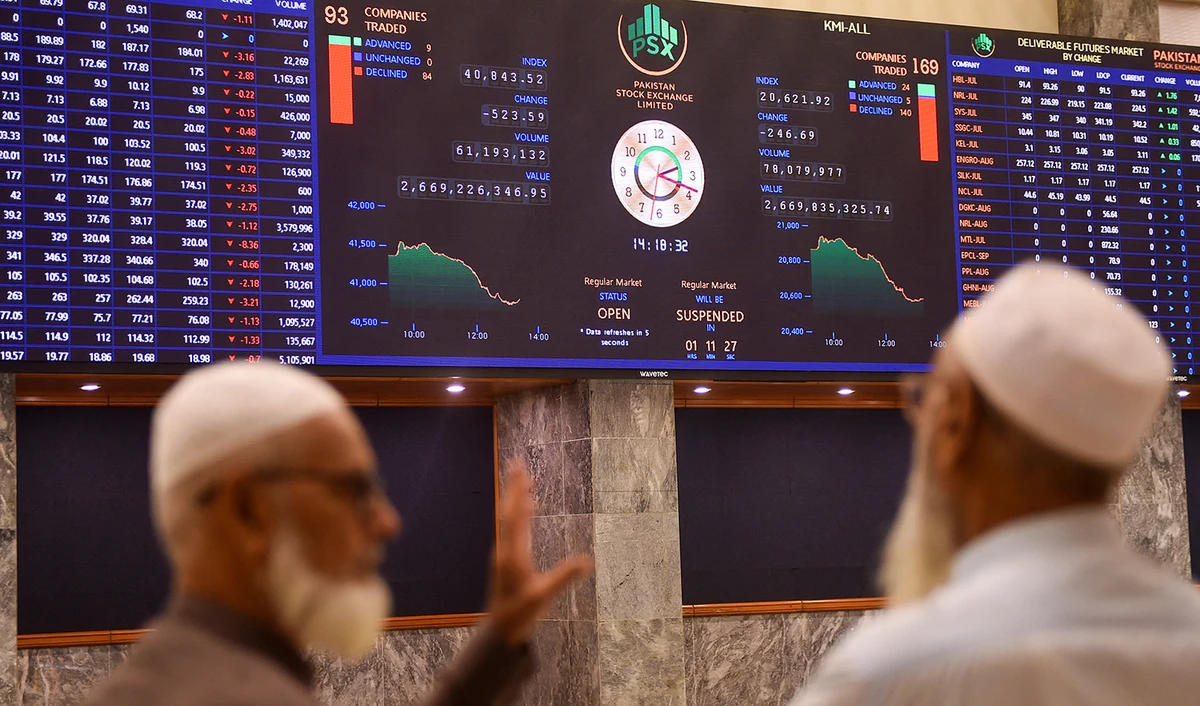
The stock market of the country also witnessed a range-bound session with the key stock index oscillating at an intraday high of 145 points and intraday low of 169 points, to close at 41,733 level, down by 0.09%.
“Stocks closed lower on investor concerns for the economic impact of flash flood losses and the falling rupee,” Ahsan Mehanti, a senior equity analyst, told Arab News.
“The slump in global crude oil prices, surging power tariff and speculations over delays in ADB emergency loan approval and release of support commitments from friendly nations played a catalyst role in the bearish close.”
On a weekly basis, the benchmark KSE100 Index closed with a decline of 1.4% due to an increase in political volatility and investors` concern over declining economic activity due to floods, a research report released by Topline Securities said.
Investor participation increased on a weekly basis as the average daily traded volume and value clocked in at 183 million shares, went up by 31% on a weekly basis and Rs 7 billion, up by 52% respectively.
During the week, foreign individuals, overseas Pakistanis and foreign corporate net purchased equities worth $6.58 million, $2.49 million and $1.22 million respectively, as of Thursday.