- Pakistani, Iranian FMs speak amid tensions between Washington and Tehran, increasing Houthi attacks
- Pakistan has actively mediated between US and Iran since their conflict broke out in February this year
ISLAMABAD: The foreign ministers of Iran and Pakistan discussed diplomatic efforts to de-escalate tensions in the region and promote stability in the West Asia region, Iranian state media reported on Sunday amid Islamabad’s efforts to broker lasting peace in the Middle East.
The US and Iran have been engaged in conflict since February, when Washington and Israel launched joint air strikes against Iran. Both sides have traded fire since then intermittently, with Iran targeting US interests and other civilian infrastructure in the Gulf states.
During an interview with a US-based news channel on Thursday, President Donald Trump raised the possibility of further strikes on Iran’s nuclear facilities.
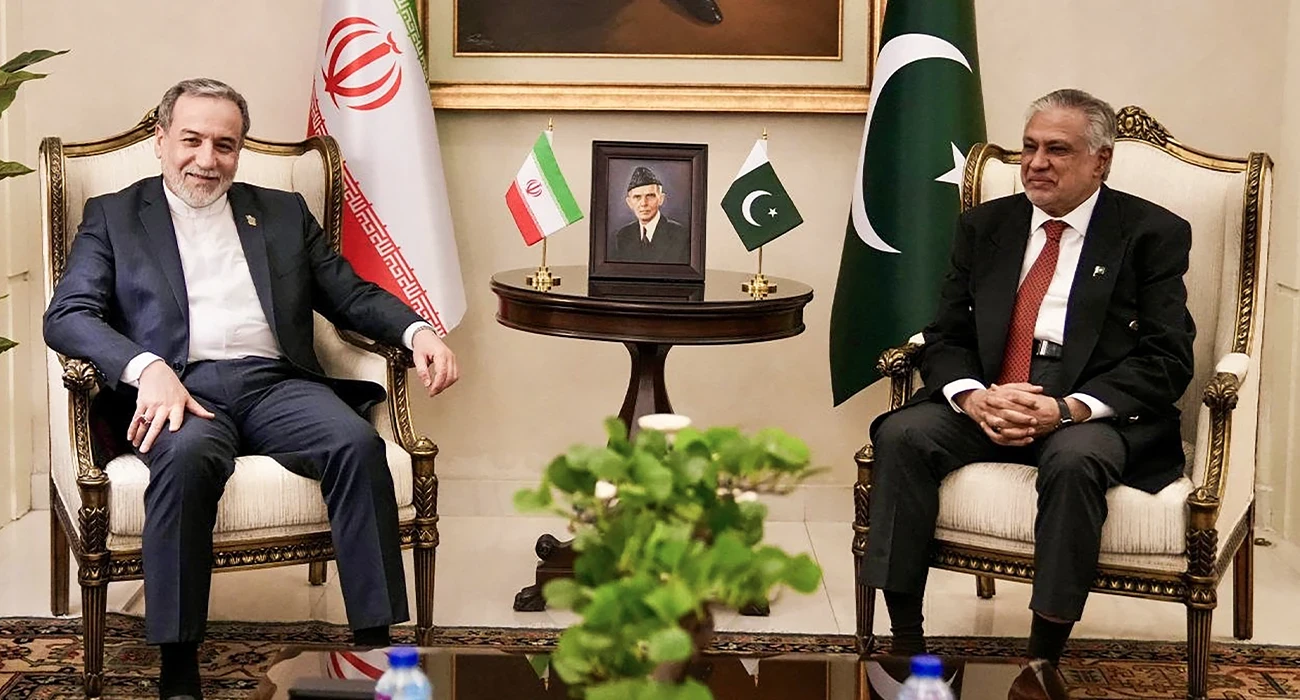
Seyed Abbas Araghchi, Iran’s foreign minister, spoke to Ishaq Dar, his counterpart from Pakistan who also serves as the country’s deputy prime minister. Araghchi is currently in Baghdad to attend the 52nd session of the Council of Foreign Ministers of the Organization of Islamic Cooperation, the state-run Islamic Republic News Agency (IRNA) reported.
“During the call, the two sides reviewed various bilateral issues and the latest regional developments,” IRNA said. “They also exchanged views on diplomatic efforts aimed at de-escalating tensions and establishing stability in the West Asia region.”
Pakistan’s foreign office said the two sides discussed the evolving regional situation and ongoing OIC Council of Foreign Ministers meeting in Baghdad.
“DPM/FM underscored the importance of continued dialogue and diplomacy in addressing regional challenges,” the Pakistani foreign office said.
Tensions in the Middle East have compounded amid increasing attacks by Houthi rebels against Saudi aviation and energy facilities. The Yemen-based rebels this month launched an attack on an airport in Riyadh which killed at least 12 and injured over 300 people.
Pakistan has repeatedly assured Saudi Arabia it will safeguard its territorial integrity and security. Islamabad has called on Houthi rebels to immediately halt their “terrorist” attacks against civilian infrastructure in Saudi Arabia.
REOPENING HORMUZ
Araghchi, meanwhile, told local media on Sunday that Tehran’s proposal to reopen the Strait of Hormuz, a key maritime trade route through which 20 percent of the world’s oil and gas supplies passed before the conflict in February.
Iran has virtually blocked the strait for maritime trade since the conflict began by firing or threatening to fire at commercial vessels in the region.
Iran presented its proposal in mid-September after a temporary ceasefire with the US, brokered by Pakistan, collapsed. Tehran later acknowledged receiving a US response, but the Secretary of Iran’s Supreme National Security Council said last week that negotiations were stalled because Washington had not responded to all seven conditions for opening the strait.
Iran’s conditions include, among other demands, lifting the American blockade on its ports, canceling US sanctions on its oil exports, and ceasing hostilities on all fronts in the region. He added that Washington’s acceptance of Tehran’s conditions would mean opening the strait within six days and resuming talks the following day.
One of the main points of contention is Washington’s insistence on addressing Iran’s nuclear program from the beginning of negotiations. US Vice President J.D. Vance said earlier this month that Iran must make a “tangible” reduction in its uranium enrichment capabilities to meet US demands and end the nearly eight-month-long war between the two countries.
Pakistan has actively mediated between the US and Iran since their conflict began earlier this year. Its civilian and military leadership has undertaken frequent trips to Iran in an attempt to broker lasting peace between both sides.