- Doctors cite missed screening and inadequate follow-up after pregnancy
- High blood pressure, diets low in vegetables and fiber emerge as major risks
KARACHI: Pakistani women had the highest death rate from ischemic heart disease among women in five South Asian countries studied, health experts warned in Karachi on Monday, calling for better screening and follow-up care.
Ischemic heart disease occurs when reduced blood flow deprives the heart of oxygen and can lead to a heart attack. The finding comes from a study by an international research team, published in the February 2026 issue of JACC: Asia. Using Global Burden of Disease estimates for 2005 and 2021, the researchers compared death rates among women in Pakistan, India, Bangladesh, Nepal and Bhutan.
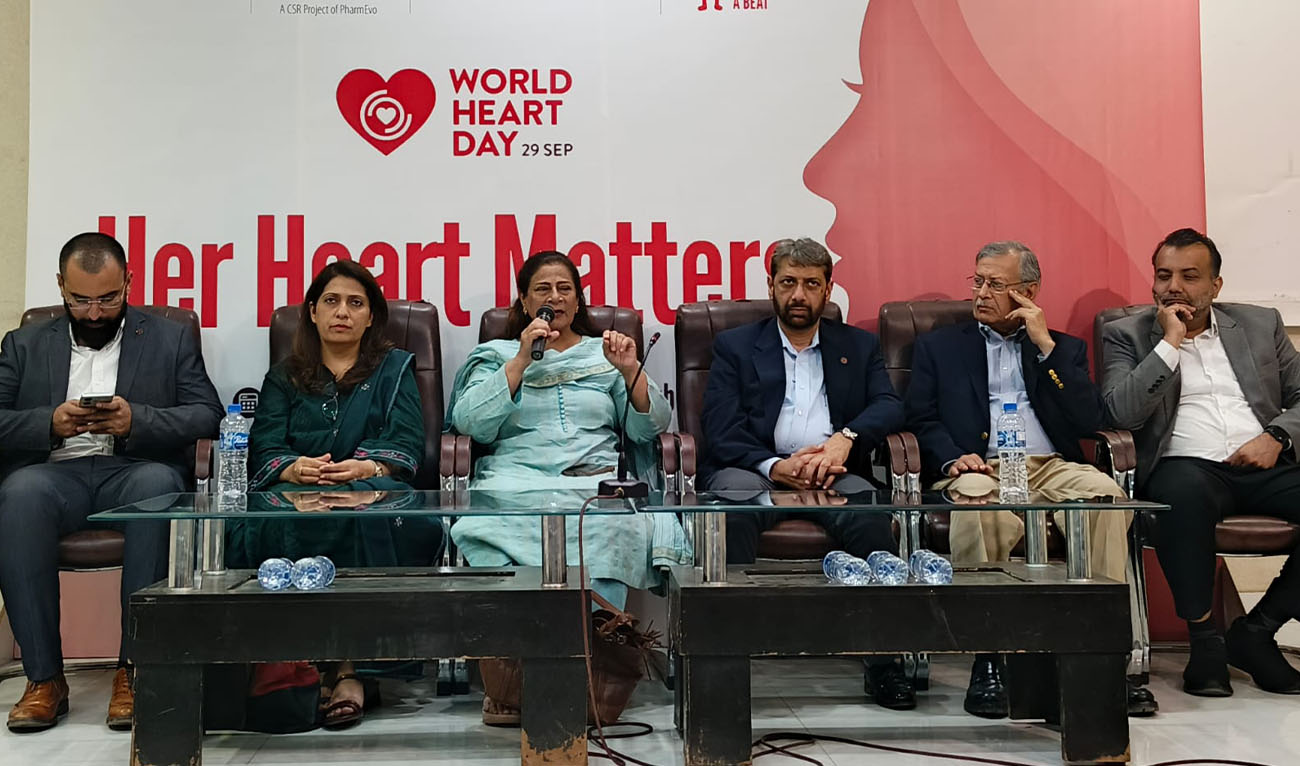
The experts raised the finding at a press conference launching “Her Heart Matters,” a campaign organized by Pakistani pharmaceutical company PharmEvo with medical societies. They said heart disease in women was often overlooked and that screening and treatment could lapse after pregnancy.
“The study found that Pakistan had the highest age-standardized death rate from ischemic heart disease among women in the five countries in 2021,” said a statement issued after the press conference. “Pakistan was also the only country studied where deaths in relation to estimated cases were higher among women than men, at 4.4 per cent against 3.1 per cent.”
The percentages compare population-level estimates of deaths and disease prevalence. They do not represent an individual patient’s chance of dying. The researchers identified high blood pressure and diets low in vegetables and fiber among important contributors to heart disease deaths among Pakistani women.
Tazeen Abbas of the Society of Obstetricians and Gynaecologists of Pakistan said women sometimes stopped prescribed medicine when they became pregnant or discontinued blood pressure treatment after giving birth. She urged them to seek medical advice about adjusting treatment and to continue follow-up care after delivery.
Doctors at the event also cited diabetes, obesity and limited physical activity as risks. Shabnam Naveed, head of medicine at Karachi’s Jinnah Postgraduate Medical Centre, said more than 90 percent of women attending its diabetes clinic had cardiovascular risk factors.
Fawad Farooq of the Pakistan Cardiac Society said specialist hospitals were already struggling with demand from patients with heart attacks and chest pain.
“At the NICVD, spaces meant for one patient sometimes have to accommodate several patients, while multiple heart-attack patients can arrive at the same time,” he said, referring to Karachi’s National Institute of Cardiovascular Diseases.