- UN figures show Afghan opium cultivation remains far below levels recorded before Taliban’s 2022 ban
- UN report also identifies Afghanistan as Asia’s leading reported departure point for trafficked meth
ISLAMABAD: Pakistan has raised concern about the possible expansion of opium cultivation and synthetic drug production in Afghanistan at a UN crime congress ongoing in Abu Dhabi this week, calling for stronger international cooperation against trafficking.
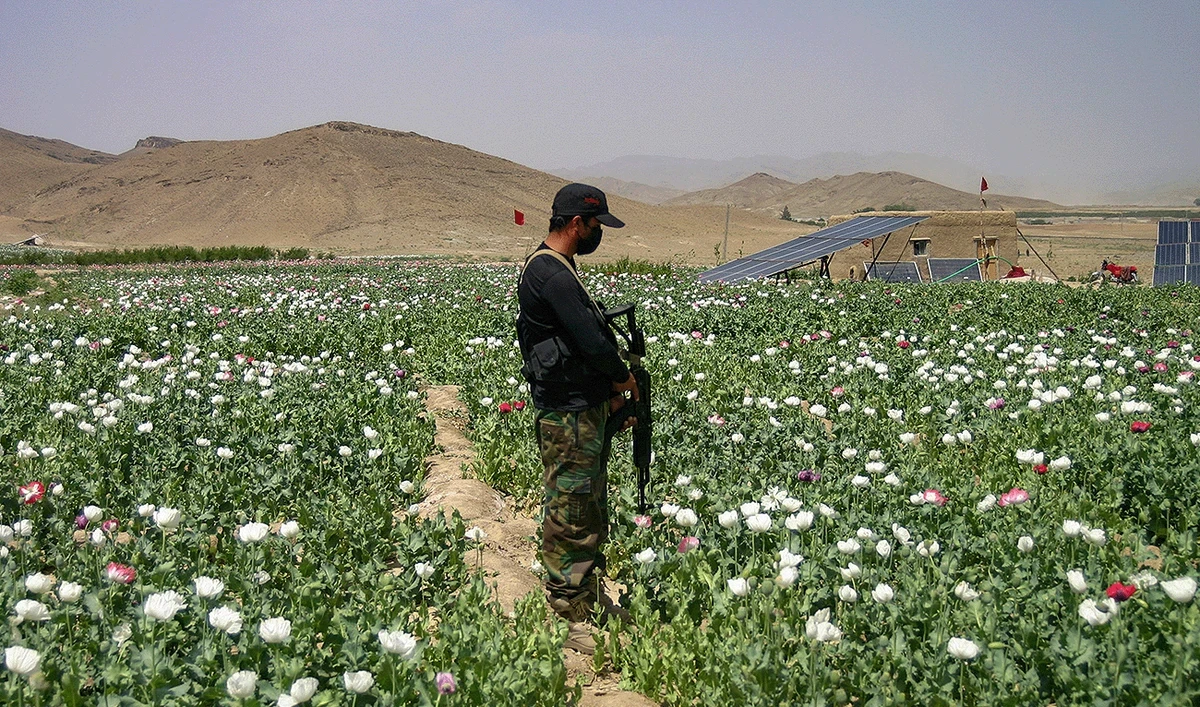
The Taliban banned narcotics production in 2022, and a UN survey estimated that land used to grow opium poppies fell to 10,200 hectares in 2025, down 20 percent from 2024 and far below the 232,000 hectares recorded before the ban. Those figures do not show a recent resurgence in cultivation.
At the same time, the UN Office on Drugs and Crime has warned of growing methamphetamine trafficking. Its 2026 World Drug Report identified Afghanistan as the leading reported country of departure in Asia for seized methamphetamine shipments during 2021–2024. That measure indicates trafficking routes. It does not establish how much of the drug was manufactured in Afghanistan.
Pakistan’s ambassador to the United Arab Emirates, Shafqat Ali Khan, raised the issue in the country’s statement to the UN Congress on Crime Prevention and Criminal Justice, being held in Abu Dhabi from Sept. 26 to Oct. 1.
“He voiced concern over potential expansion of opium cultivation and synthetic drug production in Afghanistan, as well as the growing nexus between narcotics and terrorism and its implications for regional security,” a statement from Khan's office said on Sunday, giving no evidence of a recent rise in opium cultivation or figures for synthetic drug production.
The trafficking concern reaches beyond Pakistan. At a meeting attended by UN drug agency representatives in July, Iranian officials reported seizing 3,663 kilograms of methamphetamine in five operations. They said the shipments originated in Afghanistan and were destined particularly for European markets.
The cross-border trade was also illustrated by a seizure at Colombo port on Aug. 30. Sri Lankan authorities found 463 kilograms of crystal methamphetamine concealed in bath towels inside a shipping container. The US Embassy in Islamabad later said cooperation between the US Drug Enforcement Administration and Pakistan’s Anti-Narcotics Force had helped disrupt the shipment, which it described as Afghan-origin and valued at $21 million. Sri Lankan police said two Pakistani nationals were arrested.
Afghanistan’s Taliban-run foreign ministry rejected the “Afghan-origin” description last week, calling it unfounded and saying it had banned narcotics production and trafficking.