- Islamabad seeks to provide 2 million olive saplings, bring another 15,000 acres under cultivation in three years
- By doing so, Pakistan aims to expand its domestic edible oil production and reduce reliance on costly imports
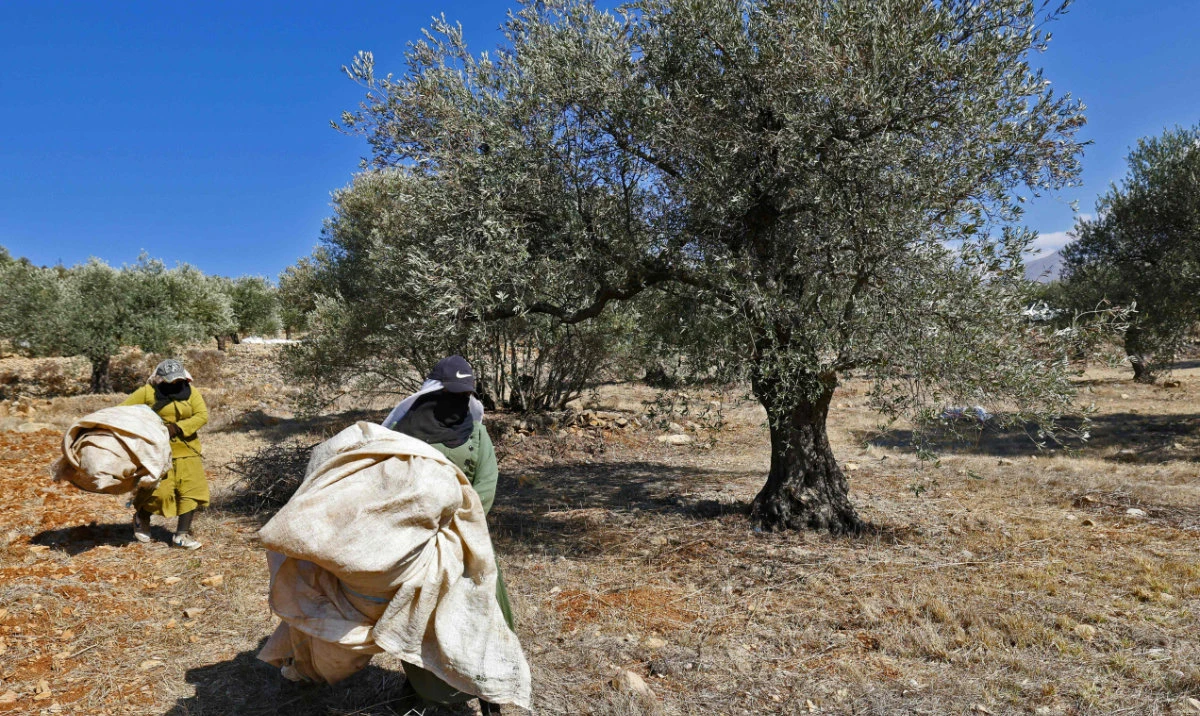
ISLAMABAD: Pakistan has planted 7.637 million olive trees over 60,456 acres in 131 districts nationwide since 2012, Pakistani state media reported on Monday, amid Islamabad’s efforts to promote olive cultivation on a commercial scale.
Pakistan’s olive cultivation has expanded significantly under government-backed programs aimed at developing suitable land, particularly in Punjab’s Potohar region and parts of Balochistan and Khyber Pakhtunkhwa.
Balochistan leads the national plantation drive with 3,199,393 olive plants over 24,620 acres in 31 districts, the state-run APP news agency reported, citing documents available with Wealth Pakistan economic news platform. Punjab ranks second with 2,235,962 olive plants over 17,000 acres across 31 districts, followed by the Khyber Pakhtunkhwa province with 1,656,499 olive plants over 14,690 acres across 32 districts.
The data also show 205,929 olive plants over 1,542 acres in Azad Kashmir, 129,384 plants over 939 acres in Sindh, 117,958 plants over 976 acres in Islamabad and 92,296 plants over 690 acres in Gilgit-Baltistan. The plantation base included contributions from Pakistan-Italian Debt Swap Agreement (PIDSA), Public Sector Development Programme (PSDP), 5 Million Olive initiative and private plantation drives.
“Of the total plantation recorded during 2012-26, the PSDP component accounted for the largest share, with 5,029,010 plants over 37,854 acres,” the APP report said.
“Other contributions included 580,158 plants under PIDSA, 1,320,116 under the Olive Valley initiative, 590,000 under the 5 Million Olive program, 80,637 under Olives Expansion and 37,500 through private plantation.”
Alongside plantation expansion, 51 olive oil extraction units have been installed across the country. Of these, 23 extraction units are located in Balochistan, 16 in Khyber Pakhtunkhwa, nine in Punjab, two in Islamabad and one in Azad Kashmir, according to the report.
The documents also listed supporting infrastructure for the olive sector, including three value-addition laboratories, six fruit-processing units, five weather stations, five nursery tunnels and four national reference laboratories at Islamabad, Chakwal, Tarnab and Quetta.
Pakistan also plans to provide two million olive saplings and bring another 15,000 acres under cultivation over the next three years as it seeks to expand domestic edible oil production and reduce reliance on costly imports, its national food ministry said earlier this month.
Pakistan imports most of the edible oil it consumes, leaving the country exposed to international commodity prices and adding billions of dollars annually to its import bill. Palm oil, the country’s dominant imported edible oil, cost Pakistan a record $3.8 billion in the fiscal year that ended in June.
The expansion would increase Pakistan’s existing olive acreage by more than a quarter if the 15,000-acre target represents additional cultivation. The ministry did not specify which regions would receive the new saplings or how much funding had been allocated for the three-year plan.