- Rupee depreciated by 0.71% amid rising demand for import payments, smuggling of currency to Iran and Afghanistan
- Analysts hope cash inflows for rehabilitation of flood-affected people will ease pressure on rupee in coming days
KARACHI: Pakistan’s currency and stock markets closed bearish on Monday amid rising flood losses and smuggling of US dollar to neighboring Afghanistan and Iran, currency dealers and analysts said.
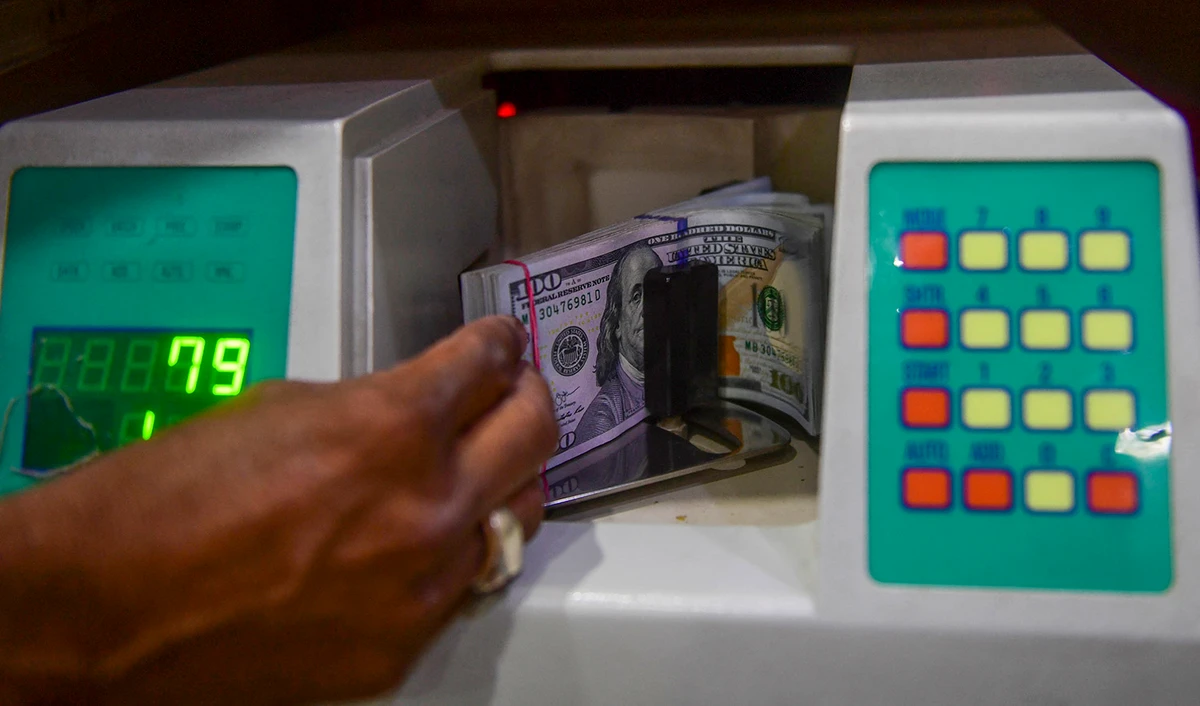
The Pakistani rupee continued its depreciating spell by losing 0.71 percent as the greenback closed at Rs229.82, a level previously seen on July 25, in the interbank market, according to the State Bank of Pakistan (SBP) data.
The Pakistan currency remained on the lower side in the open market too, where a dollar was being sold for Rs236, up from Friday’s close of Rs234, according to the Exchange Companies Association of Pakistan (ECAP).
“Expectations of rising import bill, speculations, demand for foreign exchange, strengthening dollar and uncertainties are all adding to the pressure on rupee’s disorderly play,” Dr. Khaqan Najeeb, a former advisor to the Pakistani Ministry of Finance, said.
Analysts say despite inflows from the International Monetary Fund (IMF), pressure on rupee is mounting because of import payments and losses the country has suffered in the wake of devastating floods.
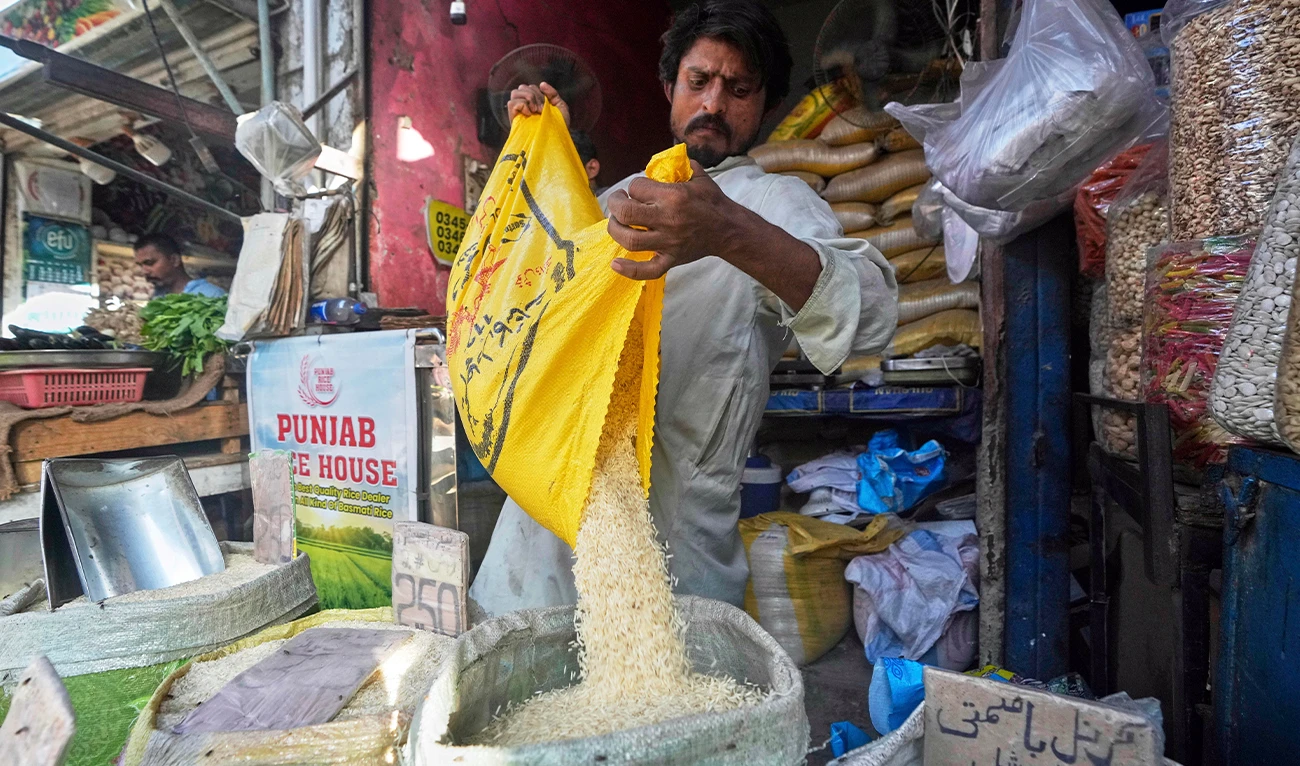
“The rupee remains under pressure due to the high floods losses, mainly of crops, for which the country would need dollars for imports,” Samiullah Tariq, a research director at the Pakistan-Kuwait Investment Company, told Arab News.
"Moreover, the demand of imports also exerted pressure on the rupee during trading session."
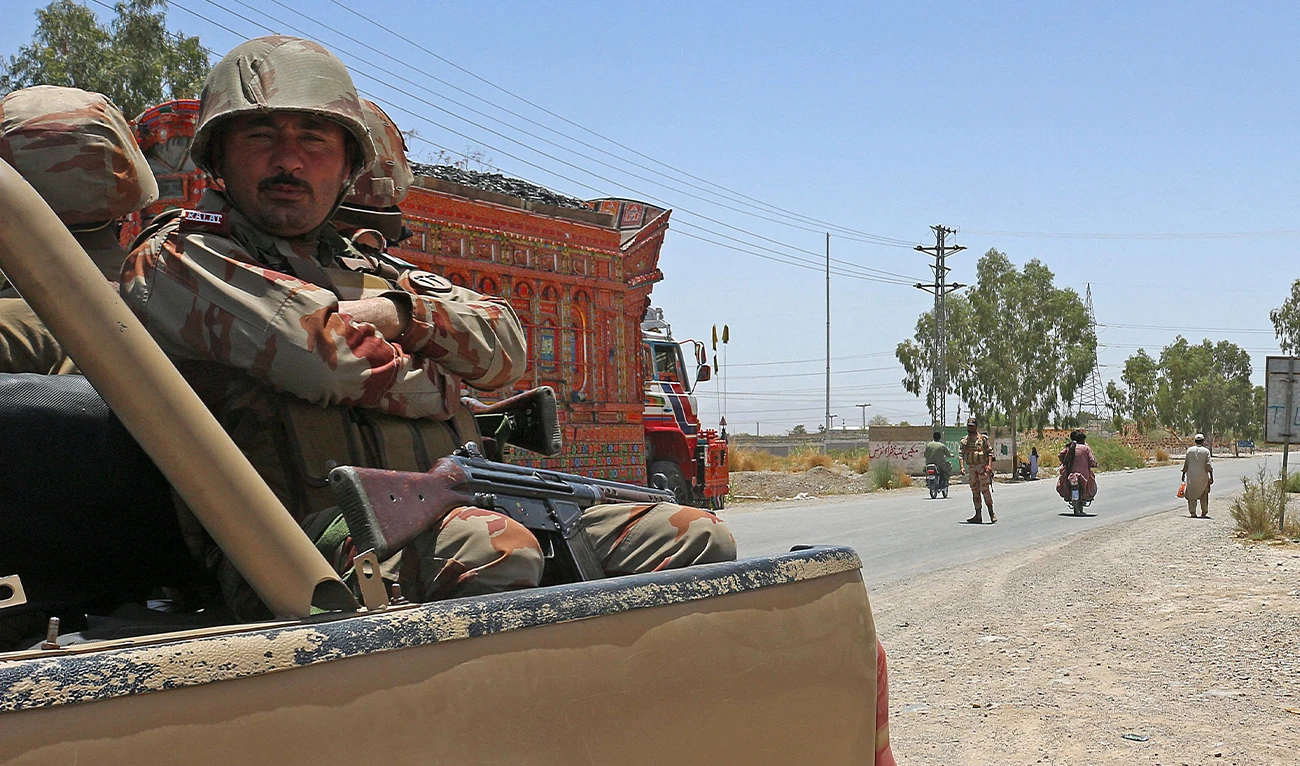
The smuggling of currency to Iran and Afghanistan is another main reason behind the rupee's depreciation, according to currency dealers.
“The movement of people at Pak-Iran and Pak-Afghan borders, one of the routes for dollar smuggling out of Pakistan, is exerting pressure on the rupee,” Zafar Paracha, the ECAP general-secretary, told Arab News.
“It is high time to check the movement of people at these borders and those without visas should not be allowed to cross borders to stop the outward flight of dollars.”
Pakistani analysts also say the response from the international community to help Pakistan deal with the natural calamity is slow as the country has yet to receive any substantial cash assistance.
“As compared to the scale of disaster, the aid, including cash flows, has so far not been received from the global community which could have eased pressure on the rupee,” Paracha said.
Tariq, however, believes the country is currently in the process of assessing the exact extent of damages caused by floods.
“The response of international community is expected after the recent visit of UN Secretary-General Antonio Guterres and once the government of Pakistan finalizes the exact value of losses,” he said.
"After cash flows from international community, the rupee is expected to show some strength against the greenback."
Pakistan’s equity market also closed bearish on Monday after losing 85.8 points to settle down at 41,862.29 points.
“Stocks closed lower amid thin trade on weak earnings outlook, surging power tariff and higher taxation. Fertilizer and energy sector outperformed on surging prices,” Ahsan Mehanti, CEO of Karachi-based Arif Habib Corporation holding company, told Arab News.
“Reports on rising government debt amid flood losses and weakening rupee played a catalyst role in the bearish close.”
Pressure on the rupee started mounting after the country received more than normal monsoon rains that triggered massive floods, which have swept away livestock and large swathes of farmland, mainly in the southern Sindh province, and destroyed road, bridges and houses, besides killing around 1,400 people.
UN Secretary-General Guterres, who last week visited Pakistan’s flood-affected areas, has called for massive international support, putting the cost of damages at $30 billion.