- Importers blame central bank for discouraging interbank trading to contain dollar shortage, SBP declines comment
- Experts rule out cheap energy imports from Russia and Iran to curtail ballooning import bills in the near future
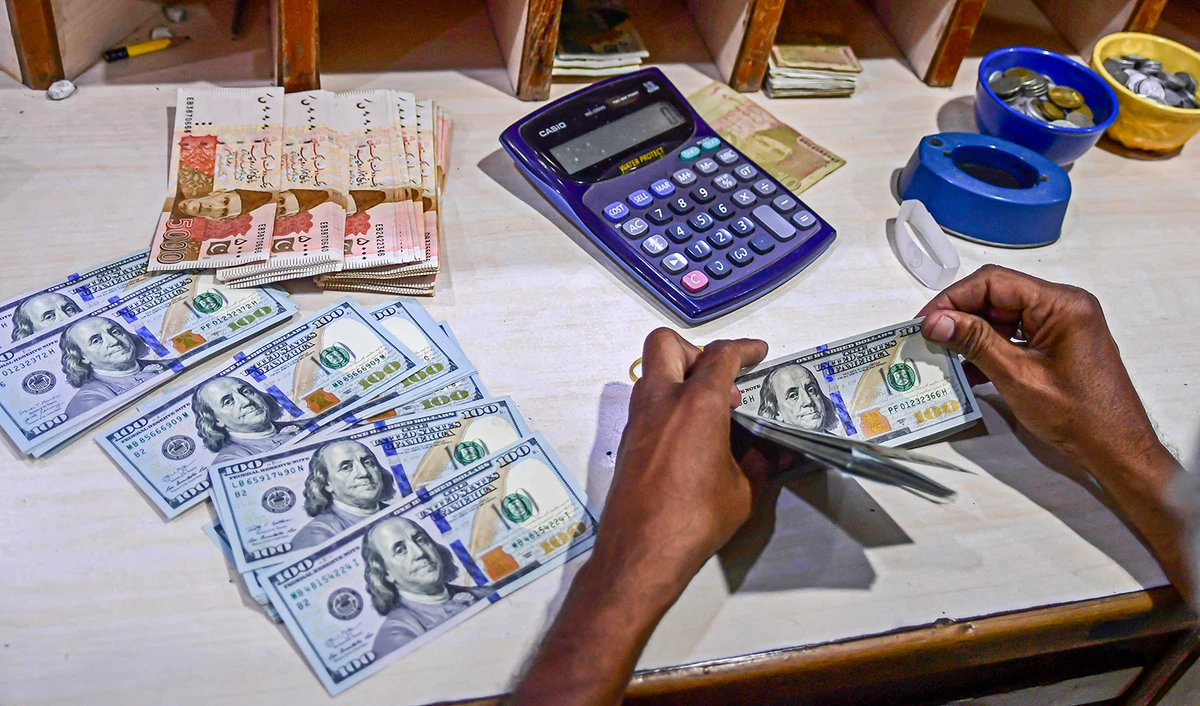
KARACHI: The Pakistani currency on Monday hit another all-time low of Rs229.88 against the US dollar, currency traders said, amid prevailing political and economic concerns as well as a shortage of greenback.
The local currency plunged to Rs233 during the trading session, before rebounding in the afternoon trade and closing at Rs229.88, down by 0.66 percent. The rupee is under continued pressure due to the shortage of dollar, mainly for opening of Letters of Credit (LCs) for imports, according to the central bank and importers.
Last week, the acting governor of the central bank, Murtaza Syed, assured in a presentation to foreign investors Pakistan had fully met its foreign financing needs with $2.4 billion in surplus. The country needed a total of $33.5 billion in fiscal year 2022-23, while the available financing stands at $35.9 billion for the year, according to the governor.
Syed, who labelled the economic concerns as “overblown,” on Saturday said the country was not as vulnerable as it was considered to be. Importers, however, say the dollar shortage persists despite assurances of the central bank chief and they have to manage their needs through private arrangements, wherein the greenback is being sold at a premium.
“Though the LC opening process goes on but those of bigger amounts are not being entertained due to the condition of an approval from the State Bank [of Pakistan], which is not being given,” Mobin Bashir, convener of Federation of Pakistan Chambers of Commerce and Industry's (FPCCI) committee on imports, told Arab News.
"Importers have also opened LCs today through private arrangements."
Some importers said the central bank was discouraging the interbank trade to control the exchange rate in order to contain the dollar shortage, due to which they had to buy dollars at around Rs240 or above from the open market for the retirement of LC payments.
The SBP declined to comment when Arab News asked whether any instructions were issued to banks in this regard.
Pakistan's economic woes have compounded after the prices of commodities, including energy products, surged in the international market in post-COVID recovery. The energy market further tightened after Russia's invasion of Ukraine in February, aggravating the South Asian nation's external payment situation.
Pakistan has suffered a historically high trade deficit of $48.3 billion in the outgoing fiscal year, with imports hitting $80 billion and exports at $31.8 billion. The trade deficit was 55.7 percent higher than the previous year's.
The South Asian country imported petroleum goods worth $23.3 billion in FY21-22, the highest ever and 105 percent more than the previous year's.
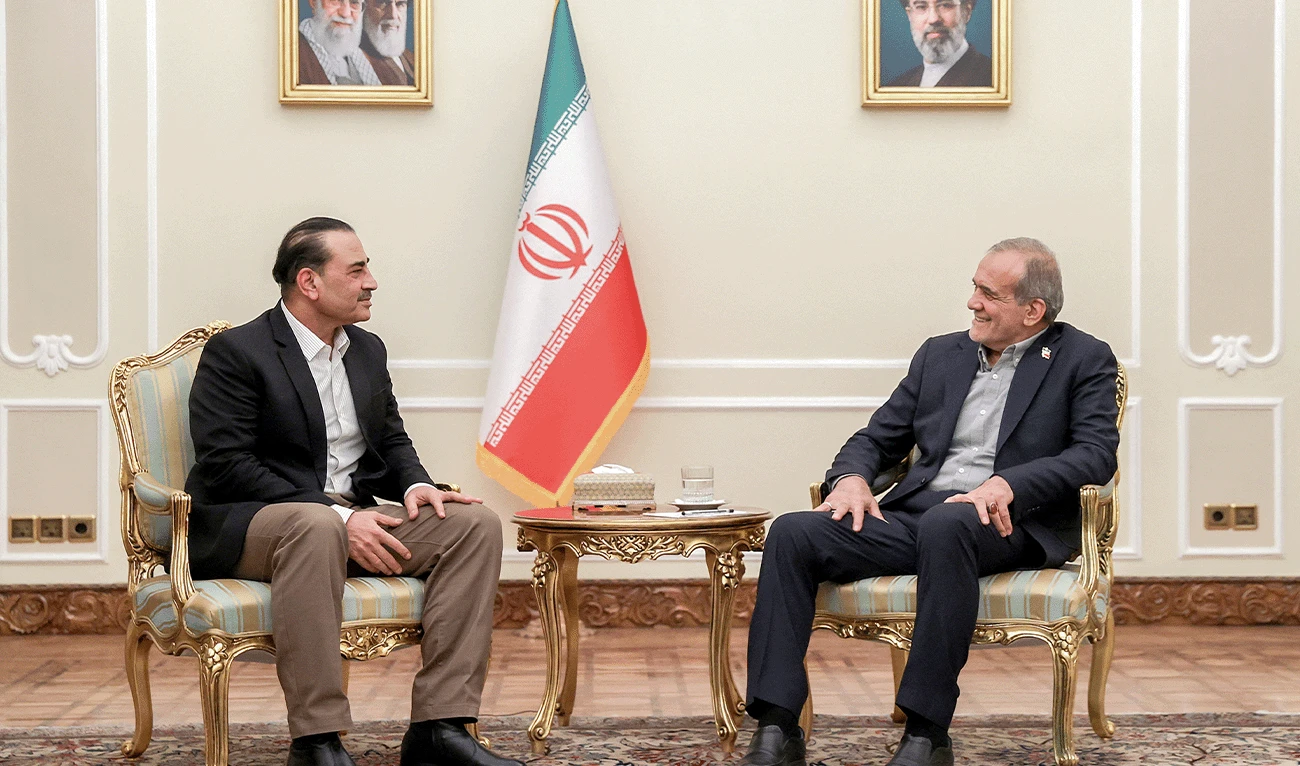
Faced with the ballooning import bills and overwhelming energy imports, Pakistan has been looking for different options to cut the energy bill, including energy imports from Russia and the neighboring Iran that are also facing sanctions.
However, international experts rule out the import of gas from Iran in the near future due to its own needs.
“Iran is currently unable to export natural gas to Pakistan due to the increase in domestic consumption and lack of necessary investment. Pakistan's LNG imports have increased and the sanctions on Iran are not lifted so Tehran does not attract foreign capital and technology. Iran cannot export gas to Pakistan,” Dr Umud Shokri, a Washington-based senior foreign policy advisor and energy strategist, told Arab News.
“At the moment, the nuclear negotiations have not reached a conclusion and it does not seem that Iran will be able to play a role in the energy security of the countries in the region, especially Pakistan, in the short term.”
Pakistani commodity experts say the import of oil from Russia or gas from Iran does not seem to be a viable option in the absence of preferential deals.
“We don’t have preferential agreements with Russia and Iran and there are no arrangements for barter trade or trade in Pakistani rupee in sight,” Ahsan Mehanti, CEO of Arif Habib Commodities, told Arab News.
"It does not make any difference if we buy from Russia, Iran or any other country, if they are not giving us discounted rates."
Pakistan’s Finance Minister Miftah Ismail last week said the country's import bill was expected to be curtailed because of the steps taken to control luxury imports. He was optimistic about the reversal of the rupee's freefalling trend with improvement in dollar supply next month.
SBP officials also expect the demand-supply gap will narrow in the coming days.
“Since Dec 21, PKR has depreciated by 18% and 12% of it is owing to the strengthening of USD globally,” Deputy Governor Dr. Inayat Hussain said in a podcast on Sunday. “Domestic factors are also at play. We expect the demand-supply gap to narrow soon.”
Pakistan's stocks also closed bearish on Monday with the benchmark KSE100 index shedding 233 points to close at 39,844-level due to thin trade, global equity sell-off and dismal earning outlook amid the rupee's depreciation.