- Syrian Ambassador to UN announced this week that Damascus has begun process to destroy chemical weapons materials
- Pakistan warns continued Israeli strikes against Syria would complicate the process to destroy Assad-era chemical weapons
ISLAMABAD: Pakistan’s Deputy Permanent Representative to the UN this week welcomed the Syrian government’s announcement that it has begun destroying chemical weapons materials uncovered since the fall of the Assad regime in December 2024, warning that Israeli attacks against Syrian facilities could complicate the process.
International news agency Reuters reported in May that Syria’s new leadership had located remnants of former Syrian President Bashar Assad’s chemical weapons program, including raw materials and munitions similar to those used in deadly gas attacks during the country’s civil war. Syria’s UN Ambassador Ibrahim Olabi told the Security Council on Thursday that Damascus had begun the process to destroy chemical weapons in the country.
Izumi Nakamitsu, the UN representative for Disarmament Affairs, told a Security Council briefing on Thursday that for the first time since 2014, the Organization for the Prohibition of Chemical Weapons (OPCW) had verified the destruction of chemical munitions in Syria.
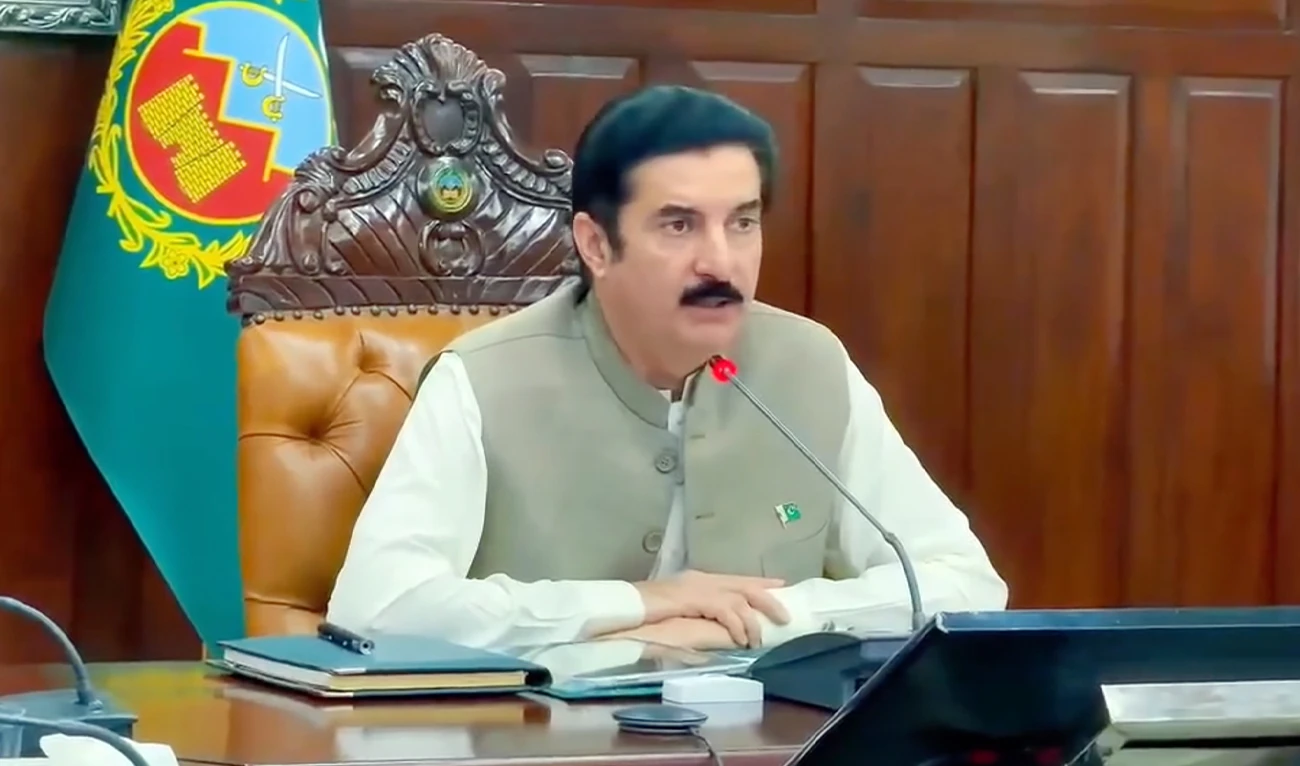
“The constructive approach demonstrated by the new Syrian government, and their sustained engagement with the OPCW Technical Secretariat, have created a genuine opportunity to make progress on issues that have remained unresolved for many years,” Usman Jadoon, Pakistan’s deputy permanent representative to the UN, told the Security Council at a briefing on the situation on Thursday.
He appreciated the Syrian government’s review of locations that could have been associated with chemical weapons activities, and its initial assessment of the two newly declared storage facilities, demonstrate Damascus’ willingness to engage with the OPCW secretariat.
“We also welcome the latest monthly report submitted by the Syrian National Authority concerning activities on its territory related to the destruction of chemical weapons and chemical weapons production facilities,” Jadoon added.
“This demonstrates the dedication of the Syrian government to address an issue which has haunted the conscience of the global community for years.”
During his speech on Thursday, Olabi warned that repeated Israeli attacks on Syria have impeded the chemical weapons’ destruction process “at certain stages,” bringing it to “a complete halt” at times and forcing the cancelation of planned inspection visits.
Syria has recorded 65 incursions by Israeli forces in July and 52 during the first 18 days of August in the southern province of Quneitra and the outskirts of Damascus, Syrian Foreign Minister Asaad Al-Shaibani said on Tuesday.
Jadoon said Islamabad is confident the present cooperation between the Syrian government and the secretariat offers a more conducive environment to resolve outstanding issues on chemical weapons.
However, he said continued military strikes against Syria would complicate the work between the Syrian government and the OPCW.
“Continued instability, as well as the occupation of Syrian territory and military strikes against Syrian sites and facilities, complicate the work of both the Syrian government and the OPCW,” he said. “Pakistan reiterates its firm support for the sovereignty, unity and territorial integrity of Syria.”
The Pakistani envoy concluded his statement by saying Islamabad remains hopeful that sustained engagement, international support and independent technical verification will enable the remaining issues to be progressively resolved and lead to the closure of the Syrian chemical weapons file.