- Petrol is being sold for $1.37 per liter while high-speed diesel is being sold for $1.41 per liter till Oct. 22
- Fuel prices have remained high worldwide, and in Pakistan, since February when US-Iran war began
KARACHI: Pakistan’s government slashed the price of petrol by Rs2.71 per liter ($0.0098) per liter but increased the price of high-speed diesel (HSD) by Rs0.31 ($0.00112) per liter on Wednesday, a notification by the Petroleum Division said, as global oil prices remain volatile in the face of persisting United States (US)-Iran conflict.
Oil prices gained over $1 on Wednesday as escalating Middle East tensions fueled fears of supply disruptions, while falling US crude and product inventories lent support to the market. Brent crude futures rose $1.61, or 1.5 percent, to $110.40 per barrel as of 09:30 a.m. Saudi time. US West Texas Intermediate crude gained $1.45, or 1.5 percent, to $99.27 per barrel. Prices fell in the previous trading session after Iran’s president discussed mediation efforts in a meeting with Pakistan’s army chief in Tehran, though Brent hit a five-month high before easing.
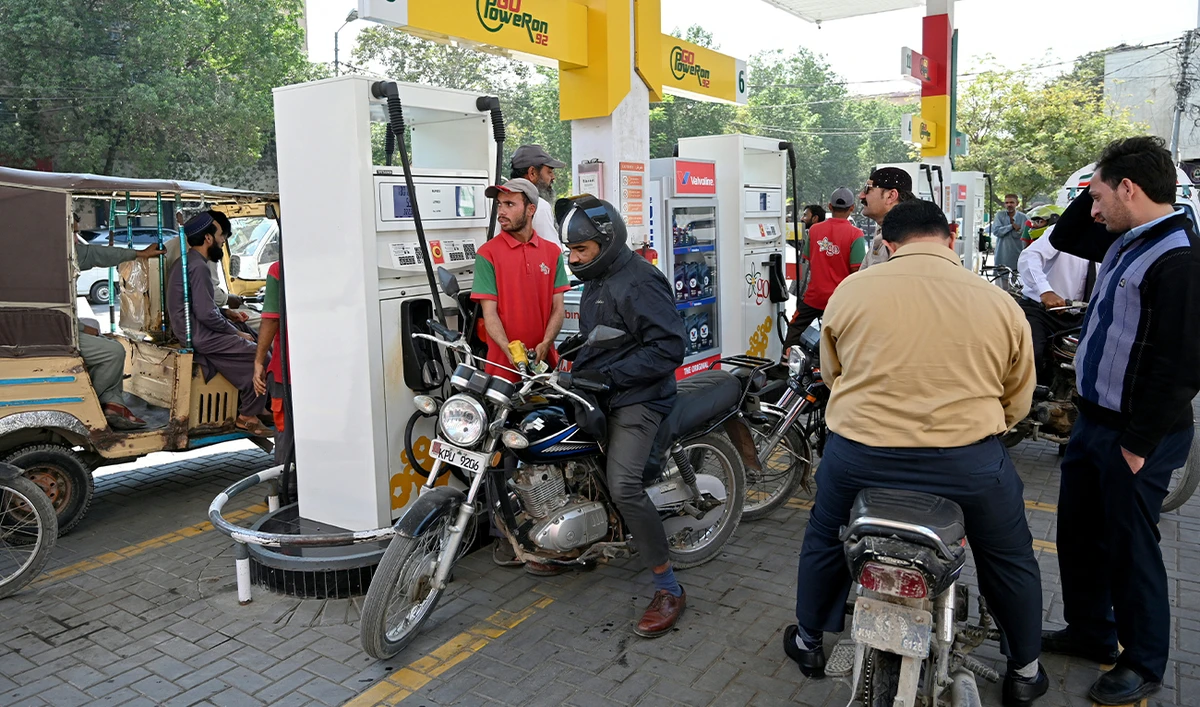
The Petroleum Division announced on Wednesday that the new price of petrol till Oct. 22 will be Rs379.31 [$1.37] per liter and Rs390.11 [$1.41] per liter, respectively. The government continues to levy Rs114 per liter [$0.41] in taxes and duties on petrol, and Rs100 [$0.36] per liter on diesel.
“Based on petroleum pricing mechanism, issued by the federal government, Oil and Gas Regulatory Authority (OGRA) has revised the ex-depot prices of the petroleum products for 22nd October, 2026,” the Petroleum Division’s notification said.
Fuel prices have remained high since February when the US-Iran war began, after Washington carried out joint air strikes against Iran with Israel. Iran responded with attacks against US military bases in the Gulf, civilian infrastructure in the Middle East and by closing off the Strait of Hormuz for most commercial vessels. Before the war began, nearly 20 percent of the world’s oil and gas shipments used to pass through the strait.
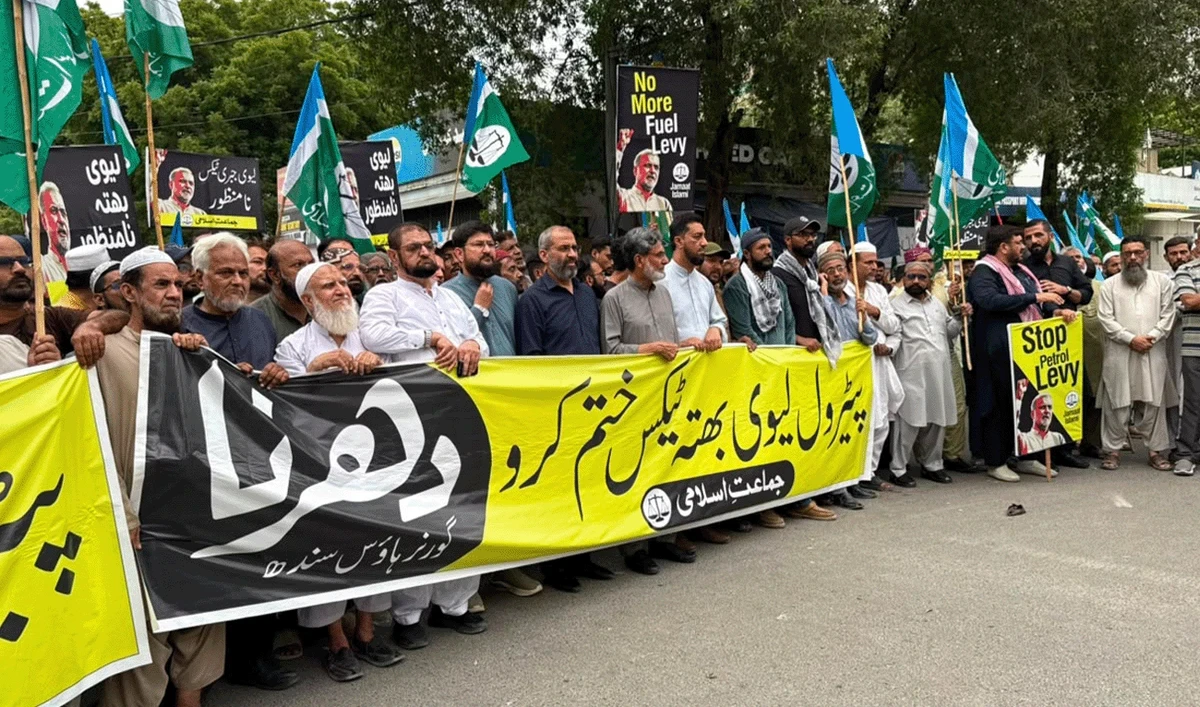
Countries such as Pakistan, who rely heavily on the Middle East and the Strait of Hormuz pathway for their fuel needs, have grappled with surging oil prices. Cash-strapped Pakistan has increased prices of petroleum products over the past couple of months, pushing up transportation, food and other living costs and raising fears of anti-government protests.
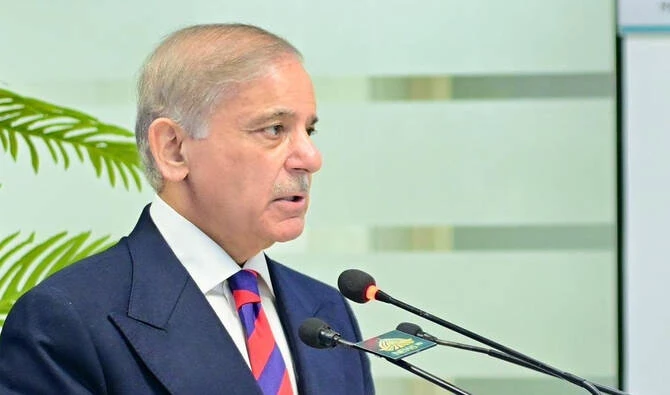
In September, Prime Minister Shehbaz Sharif announced a fuel subsidy scheme to provide relief to masses suffering from high petrol prices. The scheme offers fuel discounts to eligible motorcycle riders, rickshaw operators and owners of small cars, many of whom depend on their vehicles for work and daily travel.
The amount and frequency of assistance vary by vehicle type. Motorcycle and three-wheeler users qualify for a discount of 500 rupees ($1.79) a week, with a limit of four tokens a month. That brings their maximum monthly assistance to 2,000 rupees ($7.14).
Owners of cars with engines of up to 800 cc are eligible for a discount of 100 rupees (36 cents) per liter on up to 10 liters of gasoline (2.6 gallons) every 10 days. They can receive three tokens a month, saving up to 3,000 rupees ($10.71).
Pakistan has actively mediated between Washington and Tehran in hopes of brokering lasting peace between the two sides. Pakistan’s military chief Field Marshal Syed Asim Munir traveled to Tehran on Tuesday to meet the country’s top civilian leadership to discuss regional developments.
Mediation efforts, however, were dealt a setback as Iranian media reported that Tehran informed Munir that there would be no talks with Washington until its demands are met. US Vice President JD Vance stated this month that Iran must significantly reduce its uranium enrichment capacity to meet US demands and end the ongoing war between the two countries that has lasted for eight months.
Israel, the US, and other Western countries have long accused Iran of seeking to acquire nuclear weapons, pointing to its uranium enrichment at 60 percent, a level far higher than what is needed for civilian uses and closer to the 90 percent required to produce a weapon. Iran denies seeking to acquire nuclear weapons.