- The government is expected to allocate Rs800 billion for development, Rs1.6 trillion for defense expenditure
- New taxation measures to generate about Rs450 billion are also expected to be announced for next fiscal year
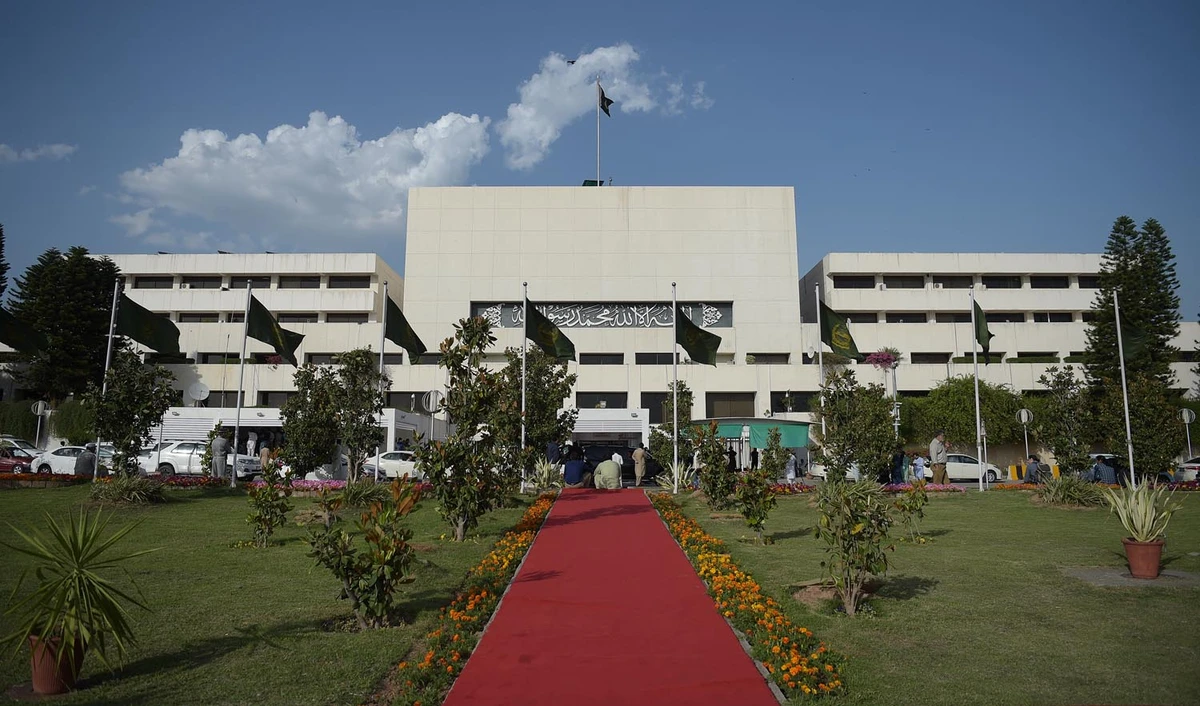
KARACHI: With a special focus on fiscal consolidation, Pakistan is all set to present the new federal budget today, expected to have a total outlay of around Rs9.5 trillion of which Rs8 trillion will be earmarked for current expenditures and Rs800 billion for public sector development.
The government is likely to set a revenue generation target of over Rs7 trillion, up by nearly 19 percent from the revised target of Rs6.1 trillion which would have been 9 percent of Gross Domestic Product (GDP) during the outgoing fiscal year (FY22).
The current expenditure target is expected to be 12 percent of GDP, or Rs8 trillion, which is nearly 11 percent higher than FY22. The government is anticipated to set aside about Rs3.5-3.9 trillion for markup payments.
According to Topline Securities, a Karachi-based brokerage house, about Rs1.6 trillion is likely to be allocated for defense expenditures, constituting about 2.1 percent of the GDP.
Pakistan’s finance minister Miftah Ismail on Thursday hinted at the possibility of cutting incentives for the country’s affluent classes, saying the budget would be inclusive and lay down the basis for sustainable growth.
“The incentives given to the rich classes and industrialists for promotion of industrialization in the country, these are part of the strategy but do not produce the [desired] results when industrialists avail the facility, set up production units and increase imports,” he told a news conference.
“The poor do not use imported goods as much as the rich,” Ismail added. “So, we will lay down the foundations for inclusive growth which will increase domestic productivity. It will be inclusive and sustainable.”
Pakistani analysts believe the government will adopt strict taxation measures to discourage consumption and raise about Rs450 billion during the coming fiscal year.
“In the upcoming budget, we expect that new taxes will be imposed to generate about Rs400-450 billion in FY23,” Abdul Azeem, head of research at Spectrum Securities, told Arab News. “Previous subsidies will be eliminated and new ones will not be offered.”
New tax measures expected in the budget include increase in super tax of 7 percent for the banking sector along with its reimposition on highly profitable companies.
Similarly, increase in the tax rate for individuals earning high salaries, reduction in tax concessions and exemptions for various sectors and increase in regulatory duties on luxury items are also said to be on the cards.
The budget may also include luxury taxes on immovable property and vehicles along with greater disincentives for non-filers.
Some analysts say all taxes on raw materials of export-oriented industries are likely to be lifted in the budget.
“This will give a much-needed breather to the industrial sector and the domestic economy facing high costs of doing business and facing external shocks,” Aadil Jillani, head of economic division at Trust Securities and Brokerage, said.
The government is expected to allocate nearly Rs800 billion for the Public Sector Development Program (PSDP) as compared to Rs466 billion disbursed during the 10 months of the outgoing fiscal year.
Pakistan’s planning minister Ahsan Iqbal told a news conference on Thursday that PSDP was reduced from Rs900 billion to Rs550 billion in the outgoing fiscal year.
“I think the biggest challenge now is to increase the development budget,” he said. “At present, we need at least Rs2 trillion to meet the country’s basic requirements.”
Battling a balance of payments crisis, Pakistan has taken tough measures to win the International Monetary Fund’s approval for the revival of a stalled $6 billion loan program while also hoping to increase its size and tenure to $8 billion until June 2023.
The budgetary measures are expected to further pave the way for the revival of the loan facility.
“Pakistan is eyeing the resumption of the IMF program,” Muhammad Sohail, CEO of Topline Securities, said. “It is likely that the upcoming budget will have measures that promote fiscal austerity and stabilization.”
“With economic slowdown, tax revenue target of Rs7.25 trillion will be challenging to achieve in FY23,” he added. “However, it will also depend on the amount of new taxes imposed in the budget.”