- Miftah Ismail says government lifting ban on import of luxury goods imposed in May
- Says country has limited resources, priority to be given to importing food rather than cars
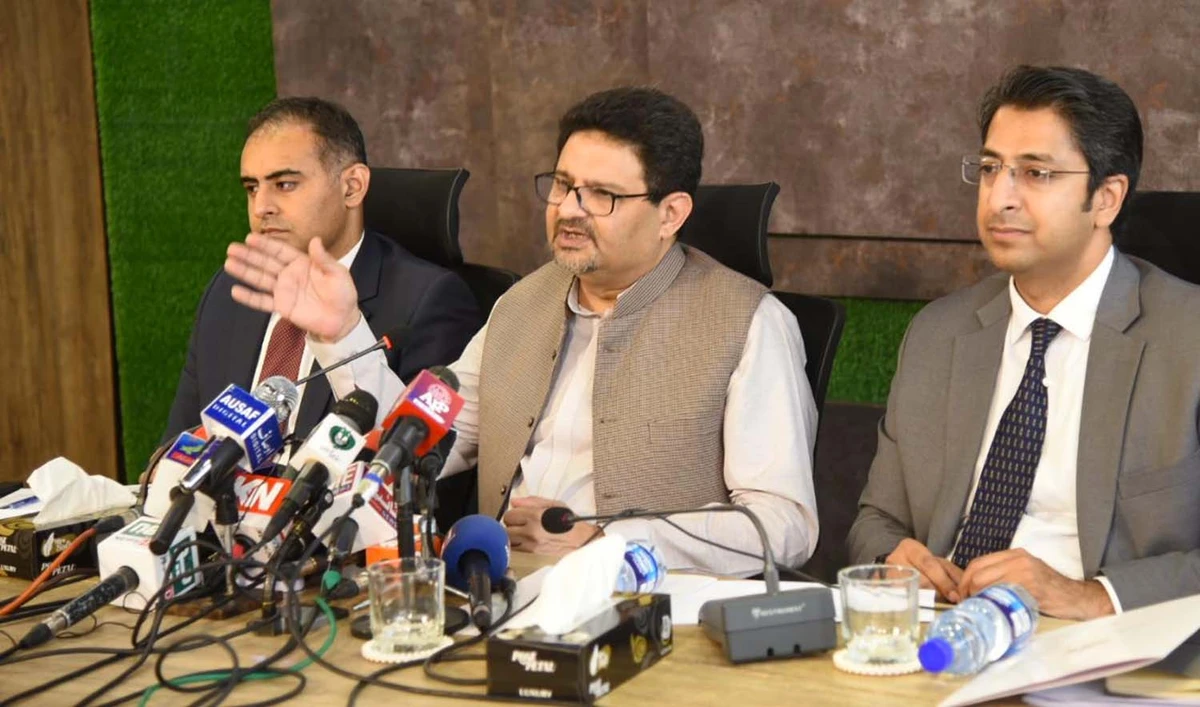
KARACHI: Pakistani finance minister Miftah Ismail said on Thursday the government was lifting a ban on the import of luxury goods and Saudi Arabia, the United Arab Emirates and Qatar had pledged to provide $4 billion to bridge a gap in foreign reserves highlighted by the International Monetary Fund.
The IMF on Wednesday announced that its executive board would meet on August 29 to review Pakistan's $6 billion loan program. Last month, the Fund announced it had reached a staff level agreement with Pakistan that would pave the way for a disbursement of $1.17 billion. The board is also considering adding $1 billion to the program agreed in 2019.
However, the IMF identified a $4 billion gap in Pakistan's foreign reserves it needed to plug for the loan facility to be resumed.
"The funding of $4 billion has been achieved through our friendly countries Saudi Arabia, UAE and Qatar," Ismail told reporters, saying all prior actions had been met before the scheduled IMF executive board meeting.
Depleting reserves, a widening current account deficit and the depreciation of the Pakistani rupee against the US dollar have left the South Asian nation facing a balance of payment crisis.
Without the IMF deal, which should open up other avenues for external finance, Ismail has previously said the country could have headed towards default.
"We have met all the prior conditions of the Fund and now on the direction of the Fund I am announcing to lift the ban imposed on the luxury or non-essential items," Ismail said.
The lifting of the ban, which was announced in May, was being done to meet compliance requirements of the World Trade Organization (WTO) on the directives of the IMF, Ismail said, adding that higher import duties would now be imposed.
"We would impose regulatory duties between 400% to 600% on the import of Complete Build Units of vehicles and mobile phones," Ismail said, explaining that after the imposition of the new duties, the prices of imported vehicles would go up from Rs60 million to Rs400 million.
The finance minister said the country had limited resources and priority would be given to importing food rather than luxury cars.
“With my limited resources, I will give priority to flour, wheat, cotton and edible oil," Ismail said, "instead of iPhones and expensive cars.”