- Bilawal Bhutto-Zardari says Pakistan will lose economic sovereignty by granting autonomy to its central bank to meet IMF conditions
- The government says it has put the country’s economy on the right track by making tough decision
ISLAMABAD: A senior Pakistani opposition leader warned on Wednesday the country would witness high inflation, poverty and unemployment if the government passed a supplementary finance bill and imposed new taxes of Rs343 billion to meet the International Monetary Fund’s conditions to revive a $6 billion bailout package.
The country's National Assembly is currently debating the bill, popularly known as mini-budget, wherein the government has proposed to withdraw tax exemptions on over 150 items and impose 17 percent general sales tax across the board.
The opposition parties have already rejected the mini-budget, saying it would result in the economic collapse of the country and urged the government to renegotiate the deal with the international lender.
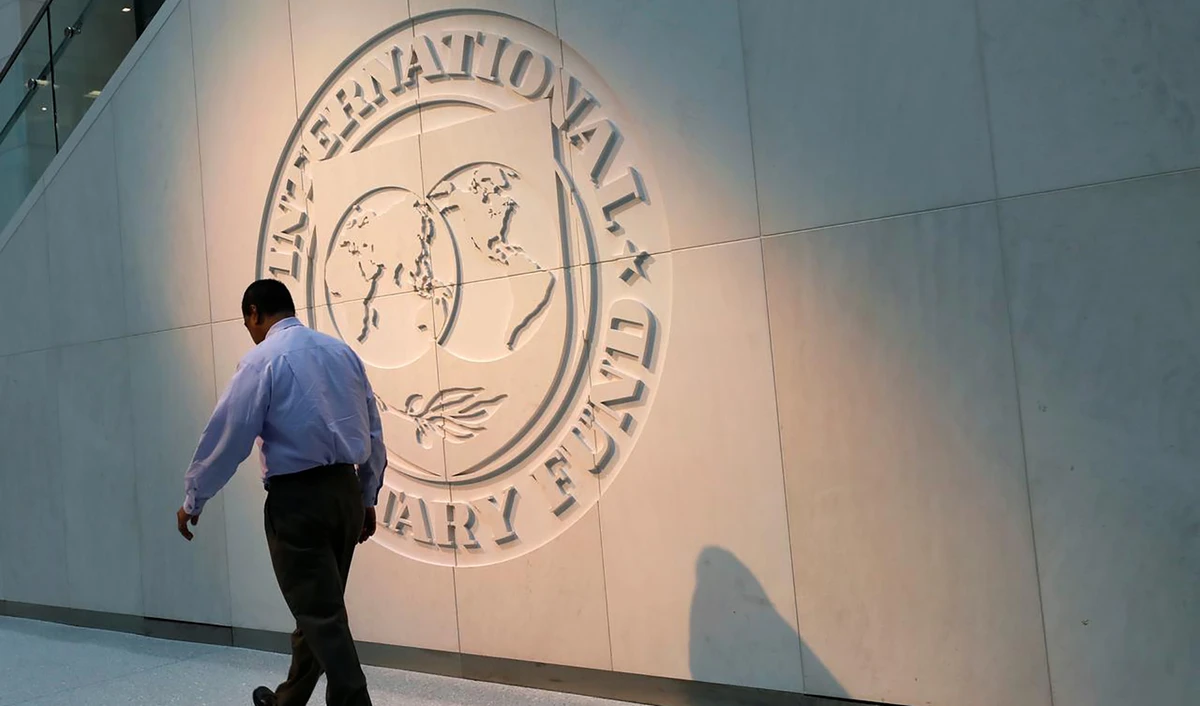
The IMF was originally scheduled to review Pakistan's progress on January 12 in its board meeting to release a $1 billion tranche after the country's completion of the prerequisites which also include autonomy for the State Bank of Pakistan.
However, it decided to postpone the process since the bills are yet to be passed by Pakistan’s parliament.
“An inflationary storm will hit the country after the passage of the mini-budget,” said Pakistan Peoples Party chairman Bilawal Bhutto Zardari, adding all economic indicators in the country were presenting an abysmal picture.
“You're negotiating with the IMF from a desperate and week position,” he added. “That's why a weak deal was signed by the government.”
Zardari said the public would have to bear the brunt of the government's economic policies.
“You don't need to be an expert to understand that this [passage of the bill] will lead to inflation and poverty,” he said while claiming the ruling administration was pursuing a "confused" economic policy.
He said the government had failed to protect public interest while negotiating the loan deal with the IMF, adding it would compromise the country's “economic independence” besides having an impact on its national security.
The PPP leader also criticized the government for granting autonomy to the central bank through legislation, saying it was an attack on Pakistan's economic sovereignty.
“This is beyond our understanding that why there will be only one account for defense spending which IMF will be able to see,” he said. “We are exposing our defense and nuclear spending because of this decision.”
Defending the government's economic policies, the country’s energy minister Hammad Azhar said his government had taken loans from friendly countries to strengthen the economy.
“We revived the economy by taking tough decisions,” he said while maintaining that the national economy had grown by four percent last year despite the COVID-19 pandemic.
The minister pointed out that exports and tax revenues were registering a significant progress due to the government’s “prudent policies.”
“Almost all taxes in the budget are adjustable and they'll be returned to consumers,” he said, adding the purpose of the whole exercise was to document the economy.
Azhar assured the opposition that the government would accept their genuine demands and suggestions in the bills when they would be put to vote in parliament.