- The country has fully vaccinated over 90 percent of eligible people, bringing down infection rate to less than one percent
- Health experts advise the Pakistani government to fully screen and test inbound passengers using land, air and sea routes
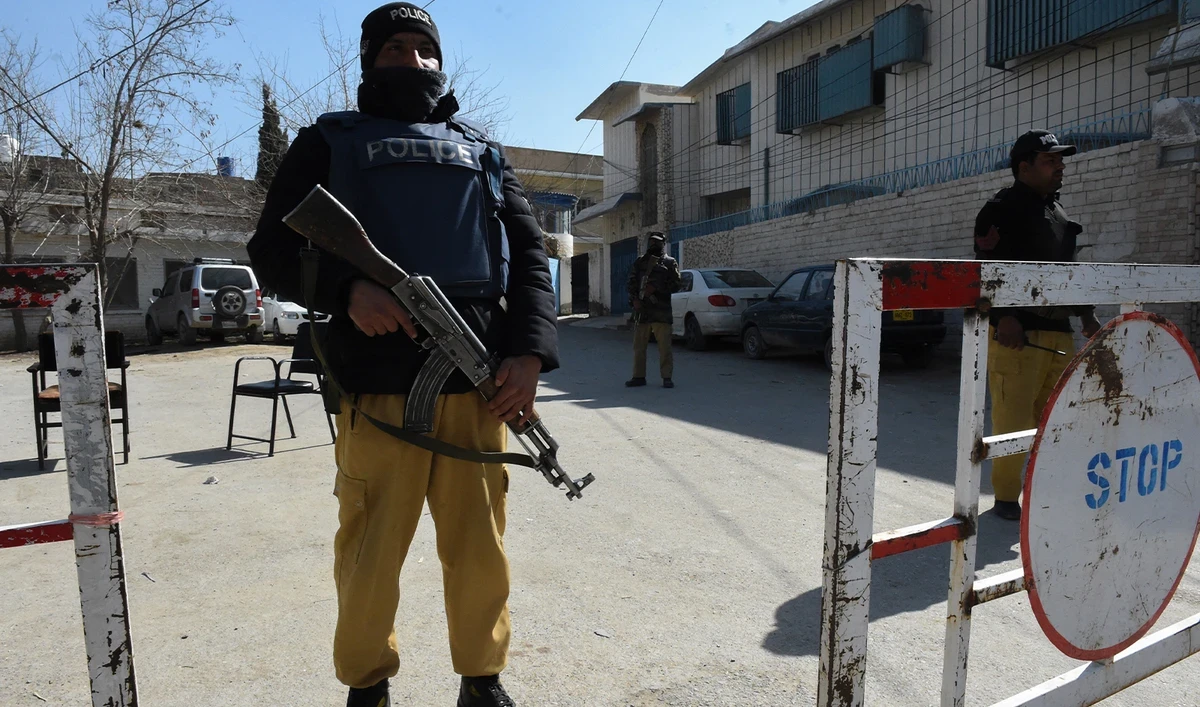
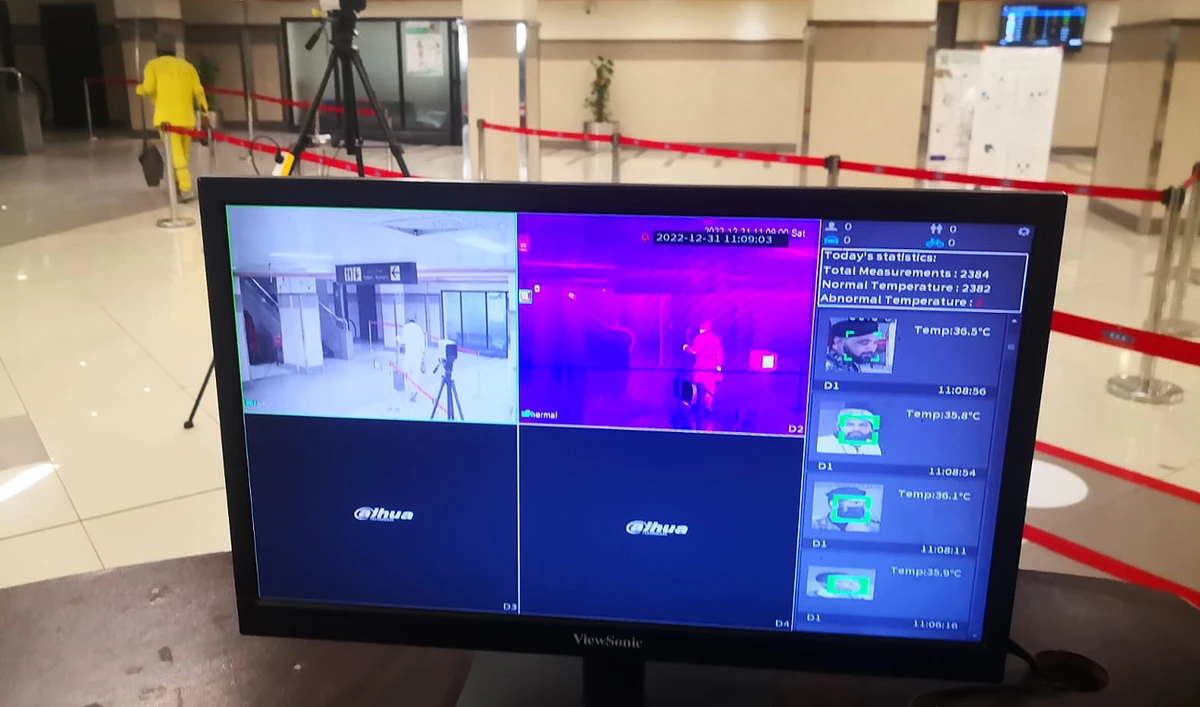
ISLAMABAD: The Pakistan government on Sunday installed a thermal scanner at the Peshawar airport to screen all inbound passengers, besides beginning to conduct rapid antigen and polymerase chain reaction tests, to prevent the spread of a new COVID-19 variant in the country.
The development comes after the Border Health Services (BHS) recently directed airport authorities to tighten COVID-19 screening for all international travelers landing in Pakistan following a global resurgence of new virus cases, especially in India and China.
The advisory also binds airport health services to isolate potential COVID-19 cases to prevent further transmission as part of effective control and prevention measures.
“The authorities are conducting random COVID-19 tests on inbound passengers,” Saifullah Khan, a spokesperson for Pakistan Civil Aviation Authority, told Arab News. “So far, all is well.”
Khan informed that screening of all the passengers who did not have COVID-19 vaccination certificates had been made mandatory, adding the National Disaster Management Authority (NDMA) had installed thermal scanners near passenger lounges at the Peshawar airport to screen travelers.
“All those passengers being deported from other countries are also subjected to intense screening,” he continued. “The government is not ready to take any risk at this stage which may lead to a spread of the new COVID-19 variant.”
Many countries, including France and Britain, have started testing passengers from China for COVID-19. Pakistan has also started taking similar precautions without issuing any country specific guidelines to airport health authorities.
“It is the prerogative of health officials deployed at different airports to randomly choose a group of travelers or individuals for testing,” Khan said.
He added the screening and test facilities had been made available to all major airports in the country.
The COVID-19 positivity ratio in Pakistan has been less than one percent since last July since the country has fully vaccinated over 132 million people who constitute over 90 percent of its eligible population.
A sub-variant of Omicron, known as BF.7, is currently driving the huge COVID-19 surge in China. BF.7 has also been detected in several other countries, including Germany, Belgium, France, Denmark, the United States and United Kingdom.
The new sub-strain of the virus is said to be highly transmissible with a shorter incubation period.
Dr. Qaisar Sajjad, the secretary-general of Pakistan Medical Association, said the authorities should, at least, make face masks mandatory at public places and other necessary precautions, like social distancing, to prevent the spread of the new variant.
“The government needs to make screening and testing of all inbound passengers using land, air and sea routes mandatory and ensure that no positive person mingles with anyone in the public,” he added.