- Approved plan covers 121 kilometers of a long-delayed motorway, with estimated investment of $672 million
- Private operators would collect tolls for 25 years, government proposes $156 million in support for first section
KARACHI: Pakistan has approved a plan to seek investors for two sections of a motorway that would close a gap in the freight route from Karachi’s ports to northern markets, with investment estimated at $672 million, a government adviser said Thursday.
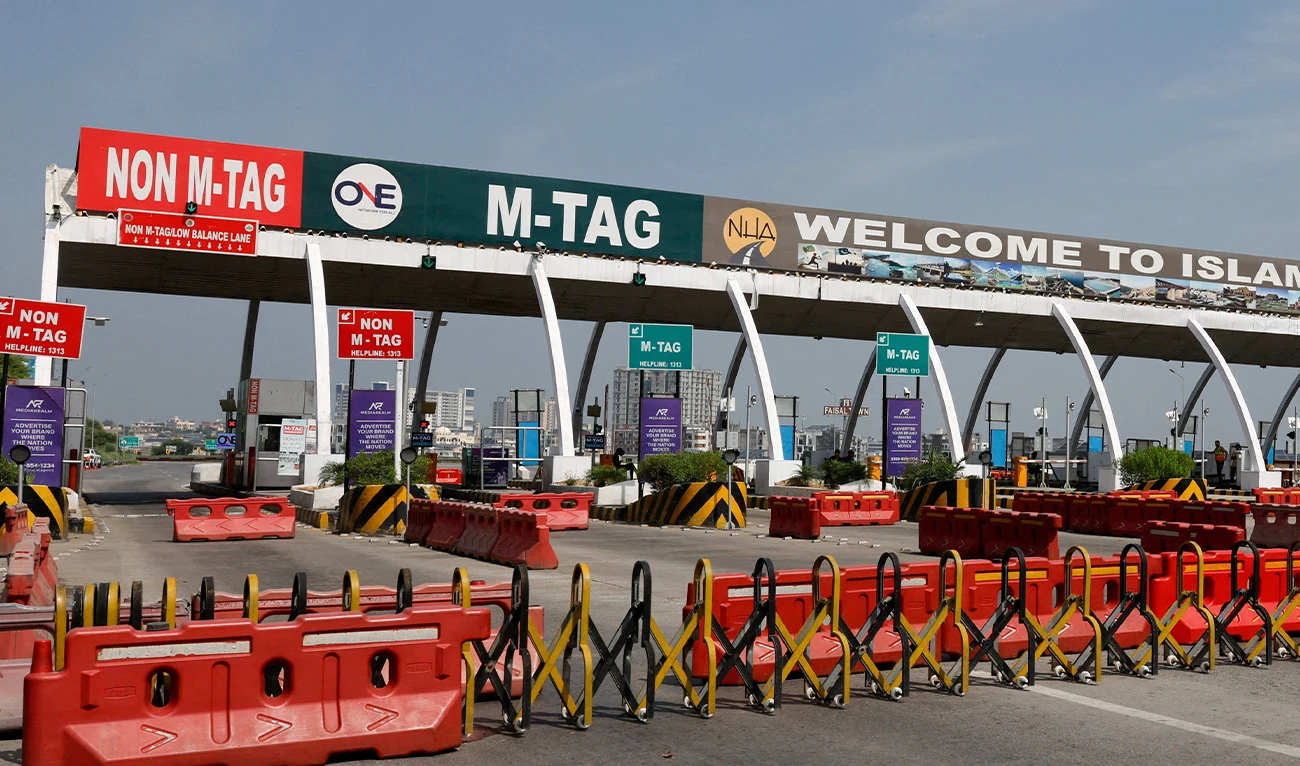
The planned Hyderabad–Sukkur motorway is the missing link in Pakistan’s north–south motorway network. Freight moving inland from Karachi’s ports currently uses a crowded national highway between the two cities, where trucks share the road with local traffic passing through towns and settlements.
Completing the route could make it faster to move imports, exports and agricultural goods across the country. Officials expect the Hyderabad–Sukkur journey to fall from about six hours to three, but the project has faced repeated delays since it was first considered in 2017.
The approval covers the first two sections, about 121 kilometers (75 miles) of the planned 306-kilometer motorway. It allows Pakistan’s highway authority to move toward inviting bids from local and foreign investors. No construction contract has been awarded or private investment committed.
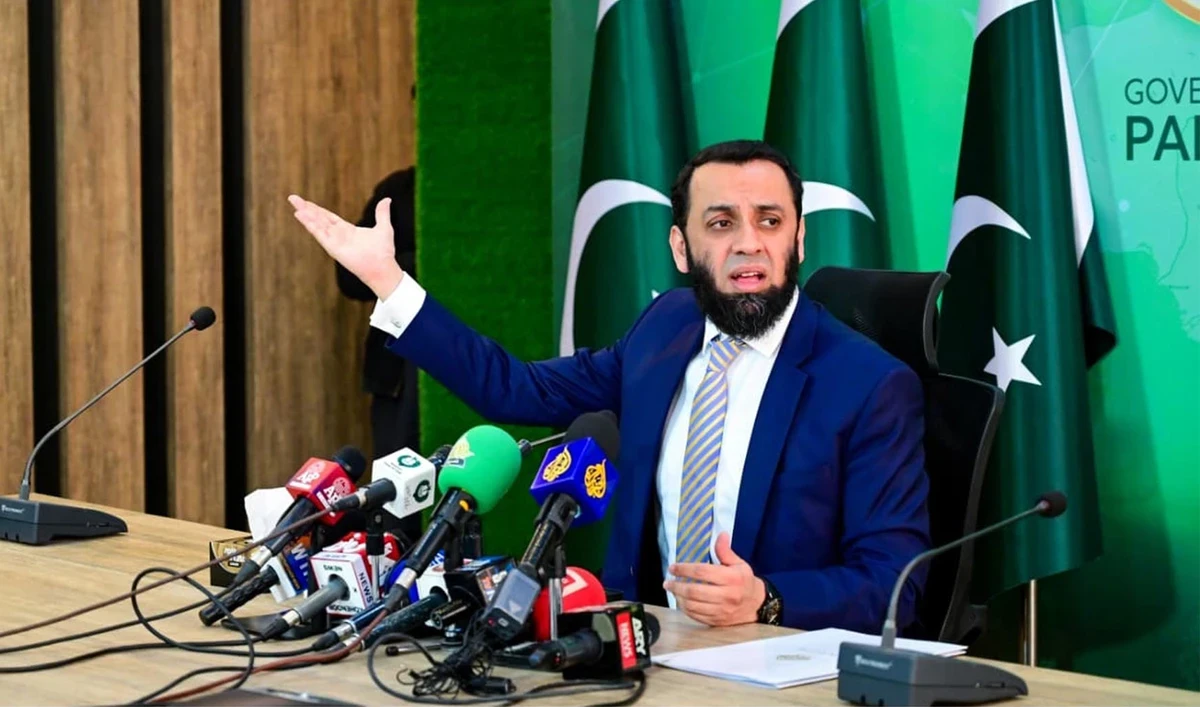
“M-6 is not just a road; it completes a critical link in Pakistan’s motorway network,” Muhammad Ali, adviser to the prime minister on privatization, said after the Public Private Partnership Authority approved the plan on Wednesday.
Private investors would build and operate the two sections under separate 25-year agreements, collect tolls to recover their investment and then return the roads to the National Highway Authority, according to the government’s plan.
Ali’s office said Thursday that investment in the two sections was estimated at $672 million. It said the government had proposed $156 million in funding for the first section to help make the project commercially viable. The final financing terms will depend on the bidding process.
The Asian Development Bank is advising the highway authority on how to structure the transaction and attract bidders. Arab News reported in April that the bank had signed an agreement to provide that support.
The motorway’s other three sections are being financed through loans from the Islamic Development Bank and the OPEC Fund and remain in procurement, the government said.
At a parliamentary hearing last month, officials said they were targeting February 2027 to award the privately financed sections. Lawmakers expressed concern over the project’s long delays and sought a firm timeline for construction to begin.