- Pakistan has five oil refineries with total crude processing capacity of 350,000 barrels per stream day
- Upgrades will enable refineries to convert low-value furnace oil into petrol and diesel, says petroleum minister
KARACHI: All five Pakistani oil refineries are expected to sign agreements to upgrade their facilities under the Brownfield Refining Policy next month, state media reported on Friday, saying the move would help attract $6 billion in investment and help reduce Islamabad’s reliance on expensive imported fuel.
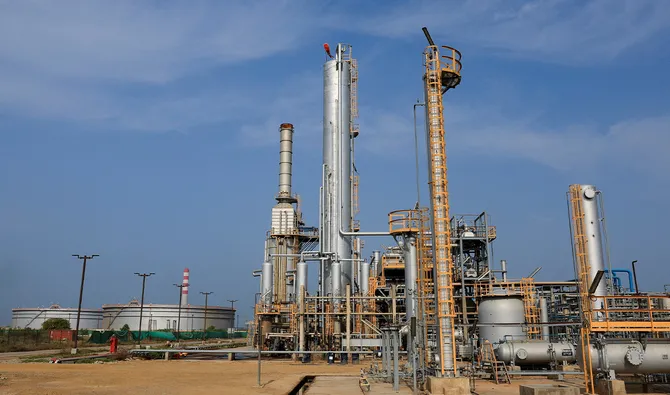
The recently amended policy offers incentives for existing oil refineries to modernize their plants, produce cleaner fuels and convert low-value furnace oil into higher-value petroleum products. Pakistan currently has five oil refineries, the Pakistan Refinery Limited (PRL), National
Refinery Limited (NRL), Pak-Arab Refinery Limited (PARCO), Cnergyico Pk Limited and Attock Refinery Limited (ARL). Together, their crude processing capacity is about 350,000 barrels per stream day.
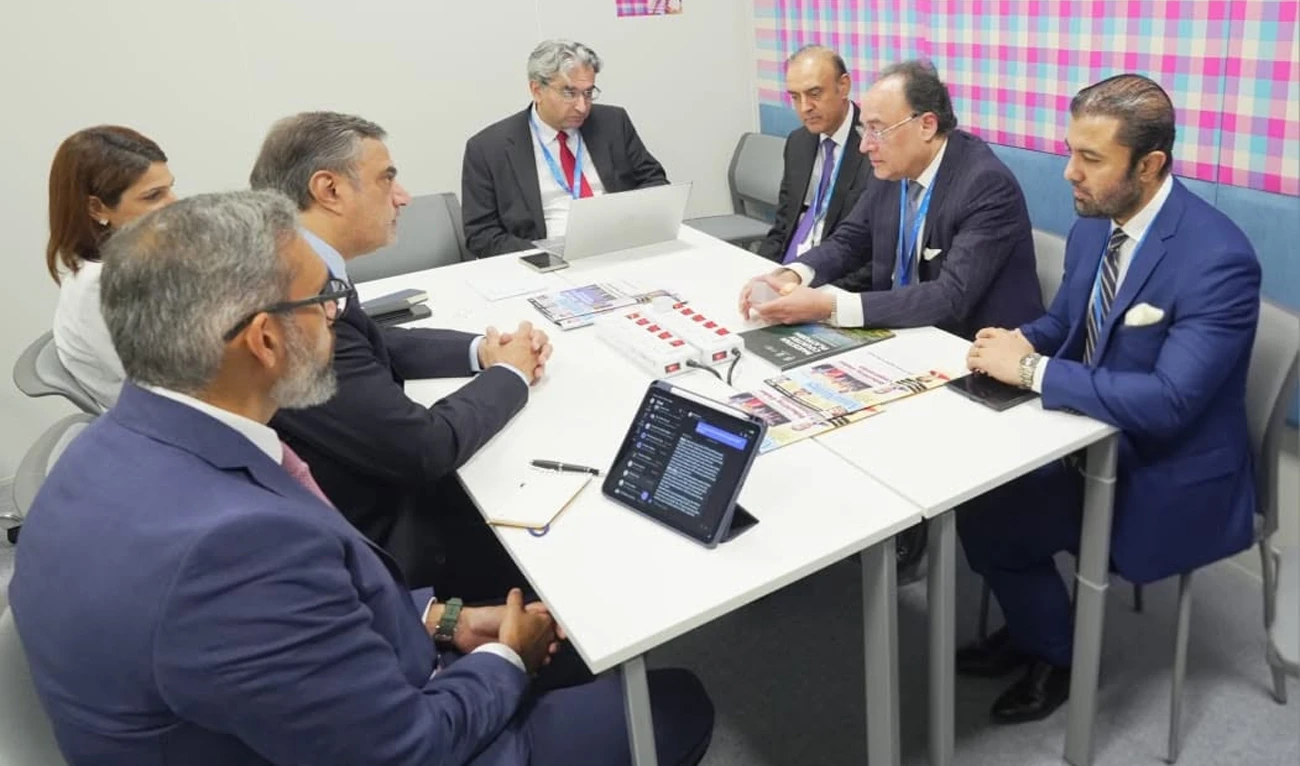
Pakistan’s Petroleum Minister Ali Pervaiz Malik held meetings with the managements of PARCO, Pakistan Refinery, Attock Refinery, National Refinery and Cnergyico in Karachi, state broadcaster Radio Pakistan reported. The meetings featured discussions on the implementation of the Brownfield Refinery Upgrade Policy, the refineries’ financial and operational performance, as well as measures to strengthen Pakistan’s energy security.
“The agreements are expected to be signed at the beginning of next month, attracting investment of over six billion dollars,” Radio Pakistan said.
Malik said the modernization of oil refineries is imperative for the refining sector’s long-term sustainability. He noted that the upgrades will allow refineries to produce Euro-5 grade fuel, a high-quality fuel designed to reduce harmful vehicle emissions and protect modern engines.
He said the upgrades will also enable refineries to convert low-value furnace oil into petrol and diesel, reducing Pakistan’s reliance on imported fuel.
Islamabad unveiled the brownfield refining policy in August 2023, but the projects stalled after refined petroleum products were exempted from general sales tax the following fiscal year. The government approved amendments to the policy on July 28.
Refiners told Arab News this month that the scale of the investment required to upgrade refineries meant much of the financing would have to come from overseas, as Pakistan’s domestic capital markets and banks lacked the capacity for such a level of funding. Refiners said they were looking toward Saudi Arabia, Azerbaijan and Türkiye.
PRL Chief Executive Mohsin Ali Mangi said on August 11 that arranging the financing would take six to 12 months because it would involve foreign debt. Another refinery official said the harder test would be convincing investors that the fiscal and regulatory framework would remain stable for the life of the projects.