- Fuel prices in Pakistan have risen by more than 50 percent since the war between the United States and Iran began earlier this year
- The subsidies were announced after Jamaat-e-Islami, Pakistan’s major religio-political party, threatened to march on Islamabad
ISLAMABAD: Pakistan’s government has provided fuel subsidies to more than 9 million low-income people as the US-Iran war drives up energy prices, officials said Tuesday.
Rising petrol and diesel prices have added pressure on a cash-strapped nation already grappling with high inflation, pushing up transportation, food and other living costs and raising fears of anti-government protests.
The program, approved by Prime Minister Shehbaz Sharif last month, offers fuel discounts to eligible motorcycle riders, rickshaw operators and owners of small cars, many of whom depend on their vehicles for work and daily travel.
The subsidies were announced after Jamaat-e-Islami, Pakistan’s major religio-political party, threatened to march on Islamabad to pressure the government to cut taxes on petrol and diesel.
Fuel prices in Pakistan have risen by more than 50 percent since the war between the United States and Iran began earlier this year, adding to pressure on households already struggling with the cost of living. Sharif’s government says the subsidies are intended to help low-income motorists buy gasoline at prewar prices.
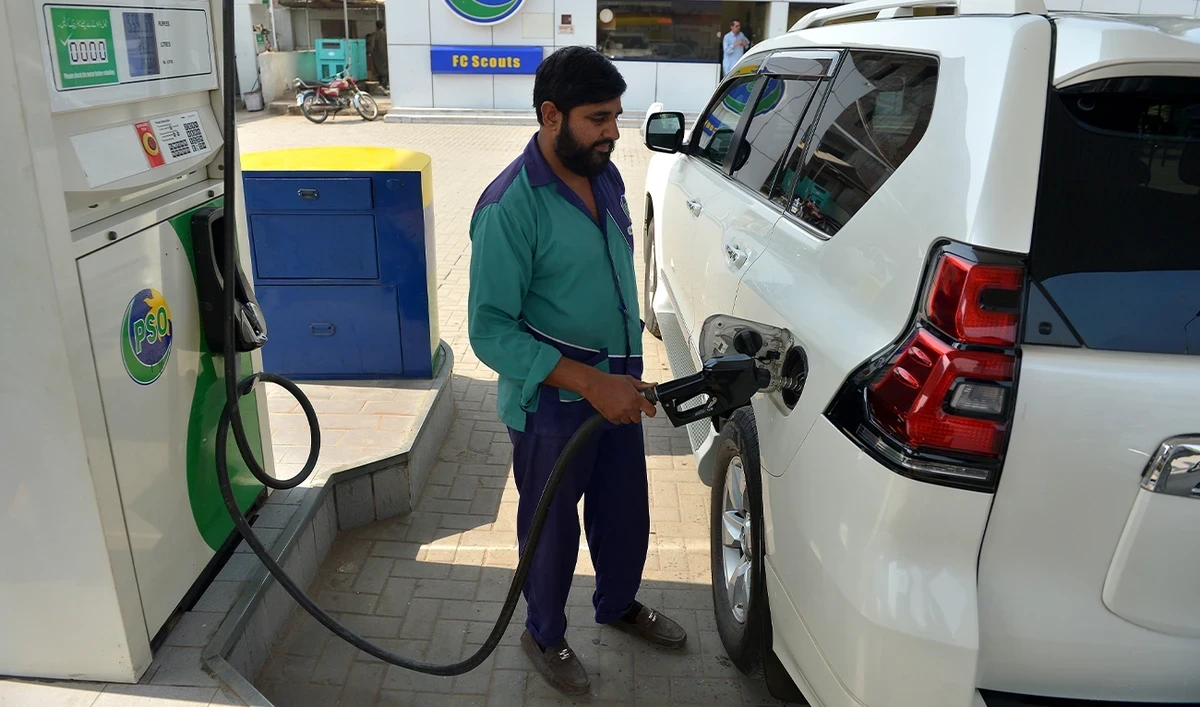
Petroleum Minister Ali Pervaiz Malik said more than 9 million people are benefiting from the program, in which eligible motorists receive a token by text message and present it at a participating gas station, where staff verify their eligibility before applying the discount.
The amount and frequency of assistance vary by vehicle type. Motorcycle and three-wheeler users qualify for a discount of 500 rupees ($1.79) a week, with a limit of four tokens a month. That brings their maximum monthly assistance to 2,000 rupees ($7.14).
Owners of cars with engines of up to 800 cubic centimeters are eligible for a discount of 100 rupees (36 cents) per liter on up to 10 liters of gasoline (2.6 gallons) every 10 days. They can receive three tokens a month, saving up to 3,000 rupees ($10.71).
Amir Shahzad, an Islamabad resident, said the subsidy was enough to cover his commute between home and work. However, he added, “if I need to travel to another city, I will have to purchase petrol at the prevailing market price.”
Pakistan relies heavily on loans from the International Monetary Fund, which wants Islamabad to slash subsidies on wheat and other items.