- Mobilizer says she faced threats after persuading mother to vaccinate child
- Workers return to reluctant families, hoping patience can turn refusals around
KARACHI: For Karachi’s polio workers, getting a reluctant parent to say yes does not always end the battle. Community mobilizer Javeria Ali persuaded one mother to have her child vaccinated, only to face abuse and threats from the woman’s husband hours later.
The encounter highlights the resistance faced by frontline workers trying to reach thousands of unvaccinated children in Pakistan’s largest city and commercial hub, where dense populations, migration, misinformation and mistrust have complicated efforts to eradicate the crippling disease.
“That night, her husband sent me voice notes cursing at me,” Ali told Arab News, adding that he threatened to file a police complaint accusing her of forcing the vaccination.
Ali said vaccination teams carry laboratory reports, books of religious edicts and awareness videos to address families’ concerns about the vaccine. She said she used such material to persuade the mother to have her child vaccinated.
The episode came as Pakistan carried out a weeklong vaccination campaign starting Sept. 21, hoping to target more than 31 million children under five in 115 high-risk districts across the country, including all 30 districts of southern Sindh province.
Pakistan and neighboring Afghanistan are the only two countries where polio remains endemic. Pakistan has reported four cases this year, down from 31 in 2025, but health authorities warn that continued virus detection and gaps in vaccination leave children at risk.
The challenge is particularly acute in Karachi, a sprawling port city whose vast population includes mobile and migrant communities and where sharp disparities in access to health care, sanitation and other basic services persist.
A study published in August and based on interviews and focus groups conducted in three high-risk Karachi neighborhoods in late 2025, found that vaccine refusals were linked to factors including limited knowledge about polio, fears of side effects, rumors that the vaccine causes infertility and broader mistrust.
For Ali and other community mobilizers, that means vaccination campaigns often involve more than simply administering drops.
On Saturday, polio worker Javeria Ashraf and Ali moved from door to door in Shanti Nagar in Karachi’s District East, vaccinating children, revisiting missed households and trying to persuade reluctant families.
“We must continue our efforts and keep going back to their doors,” Ashraf said. “Even if they react negatively, we must show them respect and speak to them properly.”
More than 146,000 children were missed during a Karachi vaccination campaign in July, according to data shared by the Sindh polio program. Of them, 112,300 were recorded as unavailable when teams visited, while 33,918 were refusals.
Officials say children recorded as unavailable include those who were away when teams visited, as well as children from mobile or migrant families who can be difficult to locate during campaign days.
A special 10-day follow-up operation after the July campaign reached 23,556 missed children, including 10,188 refusal cases and 13,368 children who had earlier been unavailable. Districts East, Malir and Keamari together accounted for more than half of Karachi’s missed-child burden.
The difficulties faced by vaccination teams in Karachi form part of a broader challenge confronting Pakistan’s polio eradication program.
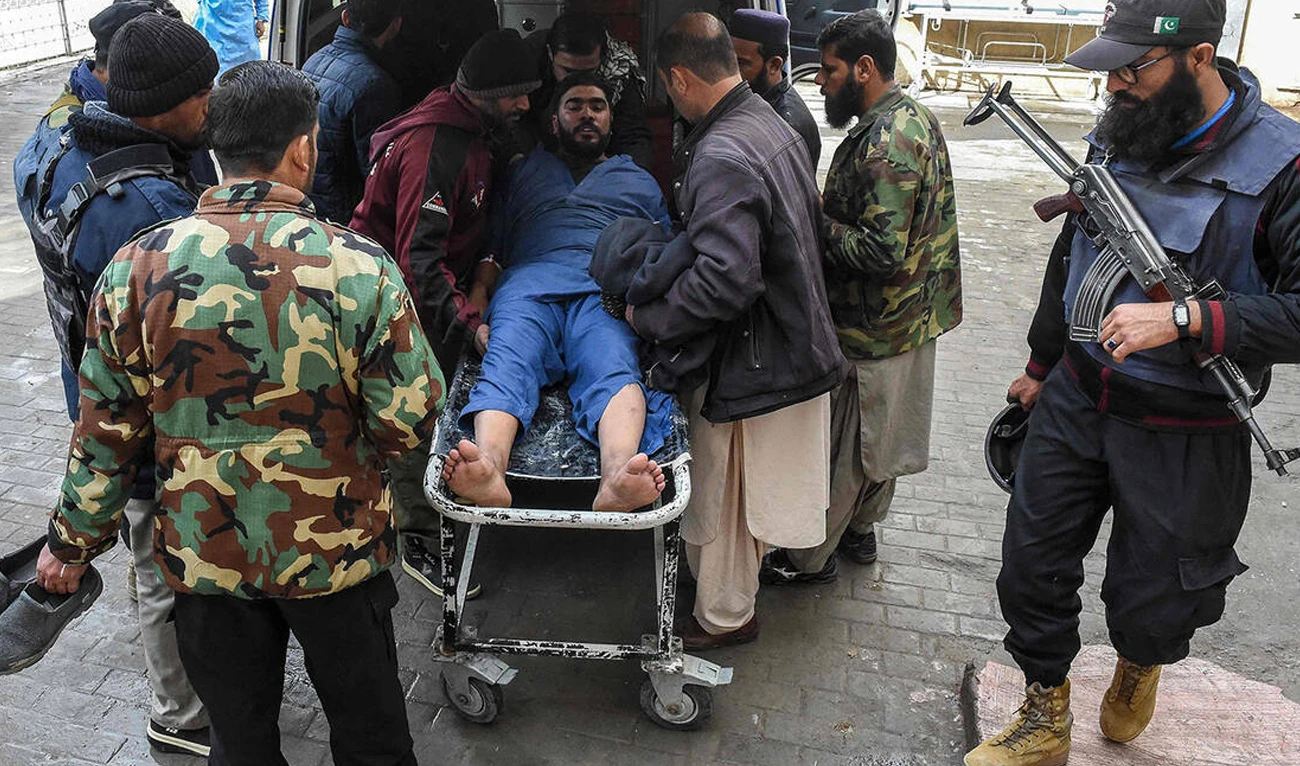
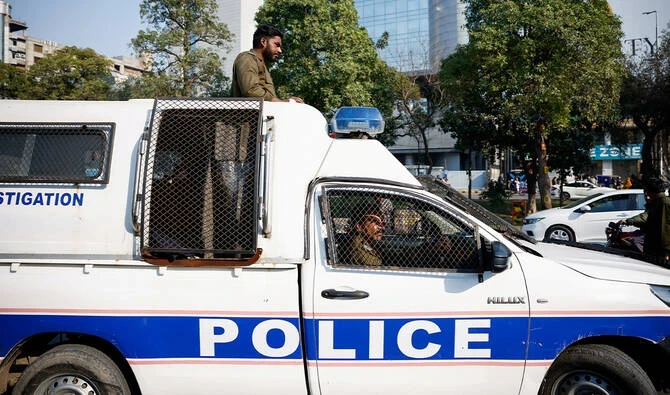
Two police officers guarding vaccinators were shot dead in Nushki district in southwestern Balochistan on Sept. 22 during the current campaign. Polio teams and the security personnel assigned to protect them have repeatedly been targeted by militants in Pakistan.
In Karachi, workers described a different form of hostility: doors being slammed shut, verbal abuse and threats from residents reluctant to vaccinate their children.
Sindh authorities have previously warned that people who obstruct or mistreat polio workers could face legal action. In February 2025, the Karachi administration said individuals or families obstructing or misbehaving with vaccination teams would face immediate legal action.
Ashraf said some residents shut their doors before workers could even explain why they had come.
“It absolutely feels bad,” she said. “At the very least, they should listen to what we have to say and what our motive is.”
Male mobilizers face another obstacle in conservative communities where women may be reluctant or unable to speak with unrelated men.
Shahid Ghaffar, who has worked with polio teams for nearly four years, said men were often at work when vaccination teams arrived, while cultural practices sometimes prevented male mobilizers from speaking directly with women.
“The biggest problem is that during our timings, men are mostly at their jobs,” Ghaffar told Arab News.
He said teams tried to involve female community members or contact male members of households by phone to address their concerns.
As polio workers and mobilizers continued trying to persuade families to vaccinate their children, environmental surveillance in August detected poliovirus in sewage samples from Karachi West, Qur’angi, Central and South districts, while samples from East, Keamari and Malir tested negative.
A sewage sample testing negative for poliovirus does not by itself establish that transmission has stopped, and health authorities continue vaccination and surveillance in areas without recent detections.
For Ashraf, neither an unanswered door nor an initial refusal means the effort is over.
“If not today, maybe tomorrow they will be convinced by our good character,” she said.