- Social media companies would have to name representatives authorized to respond to Pakistani authorities
- Interior minister says platforms acted on only 47 percent of requests from Pakistan’s counterterrorism departments
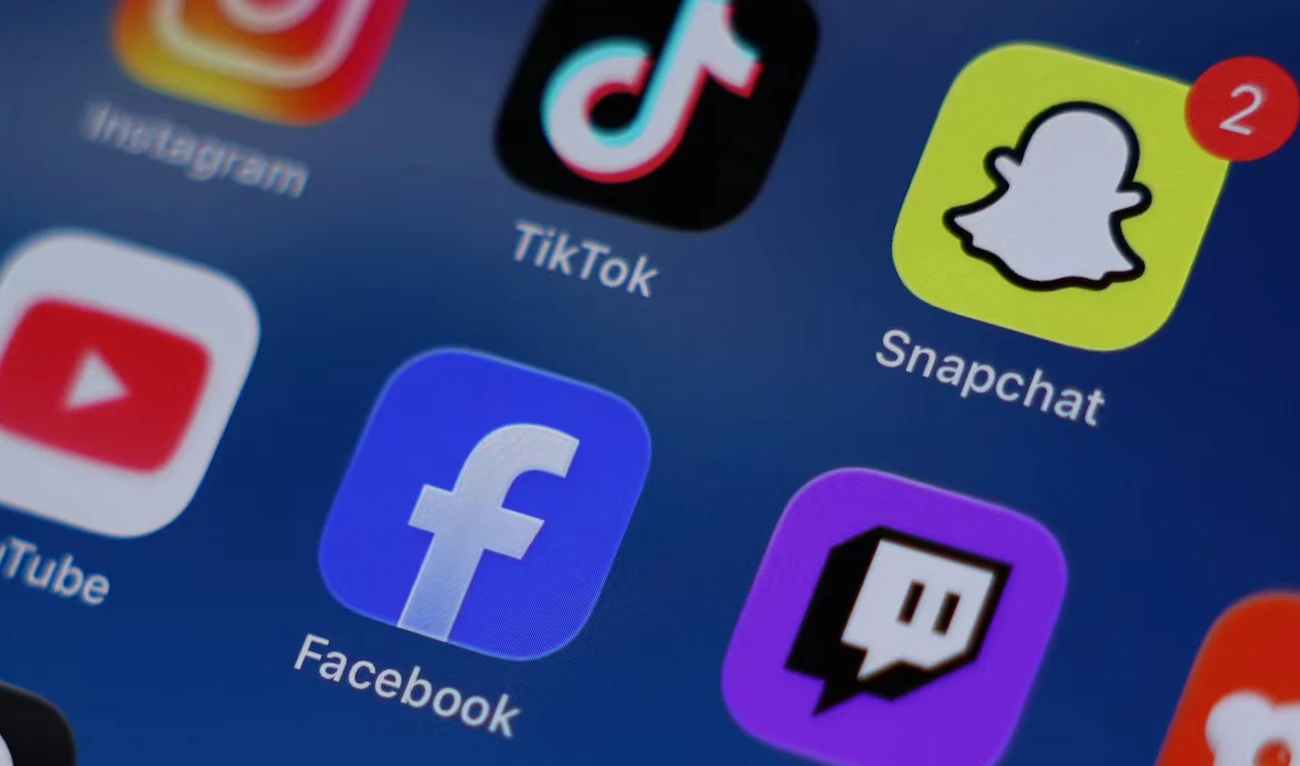
ISLAMABAD: Pakistan plans to require social media companies to register with a new regulator and appoint representatives authorized to act on their behalf in dealings with Pakistani authorities, Interior Minister Mohsin Naqvi said Tuesday.
The plan follows a January 2025 overhaul of Pakistan’s cybercrime law that provided for the creation of the Social Media Protection and Regulatory Authority and gave it powers to register platforms and order the removal or blocking of content. The government appointed its first chair in March 2026. Naqvi said the government wanted platforms to act faster on terrorism, hate speech, incitement to violence and child sexual exploitation.
Rights advocates have warned that the law’s broadly worded provisions on false information could be used to suppress dissent. In its annual report published in May, the Human Rights Commission of Pakistan said the amendments, alongside the use of sedition and counterterrorism laws, had contributed to the targeting of journalists, political workers and activists.
“Pakistan has paid for terrorism a lot. As a minister, I have attended the funerals of martyrs and very often the hate that killed them began on a mobile phone. Only 47% of the requests made by us, by our counter terrorism departments, are acted upon by social media platforms,” Naqvi said at a seminar organized by the Sustainable Development Policy Institute in Islamabad. Representatives of Meta and TikTok attended.
He gave no timeframe, total number of requests or breakdown by company.
“Registration is not a license to silence anyone. It tells us who is accountable when something goes wrong. Moreover, every platform must name an empowered rep for Pakistan who can actually take decisions,” Naqvi said, explaining why registration would be made mandatory.
The registration requirement would also apply to streaming services and major content creators, he said. He gave no deadline and did not specify which creators would have to register or whether company representatives would have to be based in Pakistan.
Naqvi cited the separatist Balochistan Liberation Army, which Pakistan has designated a terrorist organization, as an example of a group whose members he said continued to use social media to raise funds and spread propaganda. He said journalists must be able to report and citizens must be able to criticize the government.
The government plans to move complaints lodged with the National Cyber Crime Investigation Agency onto PakID, a government app used for identity services. Naqvi said the regulator was also building a system that would let users track complaints and allow officials to verify whether platforms had acted.
“Blocking a whole platform will remain a last resort,” he said, describing an enforcement process that would begin with talks with companies, followed by notices and penalties.
A member of the new authority told Arab News on condition of anonymity that the regulator was expected to take over from the Pakistan Telecommunication Authority as the government’s point of contact with social media companies on complaints. The member said they hoped the regulator would begin operating after the seminar.
Speaking at the seminar, Information Minister Attaullah Tarar called for closer cooperation with technology companies over accounts operated by banned groups.
Law Minister Azam Nazeer Tarar said the government had consulted journalists, experts and technology companies, including Meta, while revising the rules. He said Pakistan had to balance freedom of expression and access to information with privacy and protection from online harm.