- PIMS executive director says 2,000 staff trained in fire safety since the blaze killed 14 newborns at Islamabad’s PIMS hospital
- Minister says existing PIMS employees will retain current service, retirement terms, while future appointments will be ‘market-based’
ISLAMABAD: Pakistan is preparing a legislation to grant greater financial and administrative autonomy to the Pakistan Institute of Medical Sciences (PIMS) hospital, including appointing a chief executive officer, Health Minister Mustafa Kamal said on Wednesday, as the government faces questions about reforms after a deadly fire at the hospital.
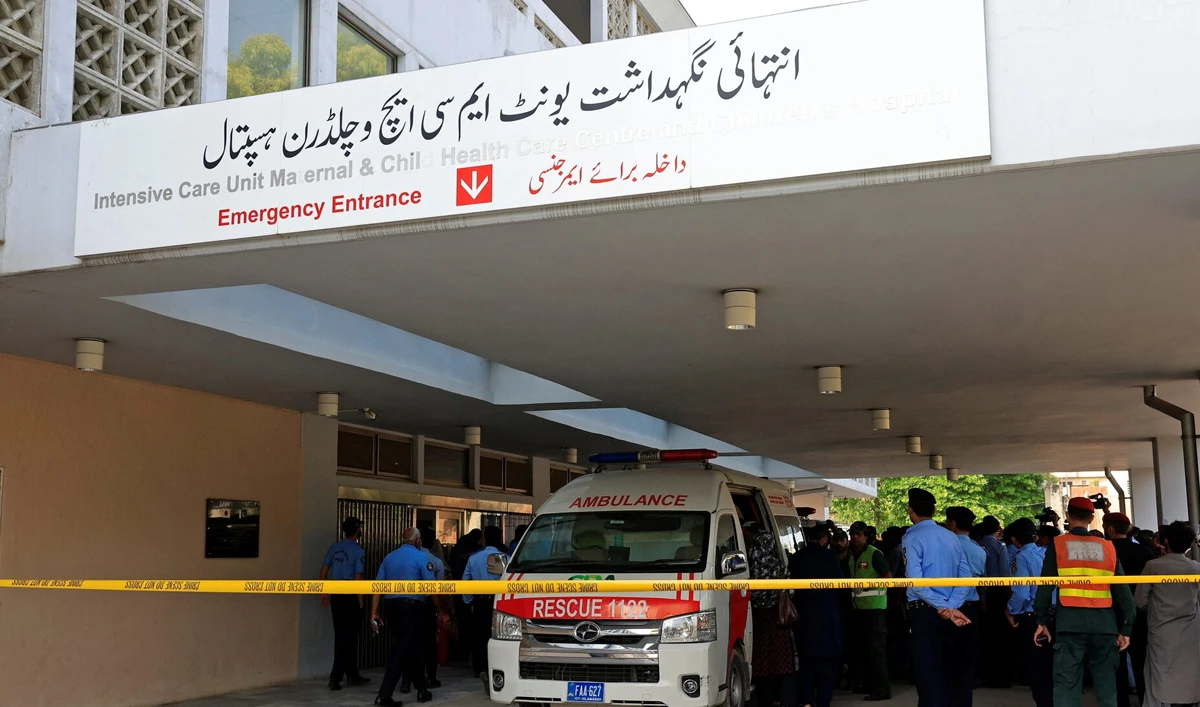
The Aug. 26 fire at PIMS nursery, which killed 14 newborn babies, drew nationwide ire and prompted multiple investigations into safety and emergency response failures at the facility. A final government inquiry, made public in September, found “systemic and institutional failure” and presented 34 recommendations to reform the institute.
Kamal said all recommendations had been fully complied with, adding that the proposed legislation, prepared by a sub-committee constituted by Prime Minister Shehbaz Sharif, was aimed at restructuring the largest public-sector hospital in Islamabad and improving its administrative and operational efficiency.
Under the proposed reforms, PIMS would be headed by a CEO, while its various departments would receive greater financial and administrative powers to manage their operations. The proposed legislation also calls for reviewing the existing PIMS rules, particularly the provision under which its executive director is appointed from within the institution.
“The existing employees of PIMS will retain their existing terms and conditions, and their benefits after retirement will not be affected,” Kamal told a parliamentary committee on health, adding that new recruitments will be made after retirement of existing employees and upon availability of vacancies.
The restructuring plan followed recommendations made by committees that reviewed PIMS operations and identified the need for greater institutional autonomy, according to the health minister. The proposed legislation will be presented to the prime minister for consideration and approval.
Briefing parliamentarians on the implementation of the 34 recommendations, PIMS Executive Director Professor Tanveer Khaliq said the hospital had implemented around 17 of the proposed measures.
The hospital had expanded its oversight committee, appointed senior administrative officials, established a procurement committee and introduced third-party tenders for procurement requirements, according to Khaliq.
PIMS had also identified six major components of the institution, each functioning as a separate hospital, with individual heads who would report to the CEO under the proposed reforms. Around 2,000 PIMS personnel had also received training to deal with fire emergencies and patient evacuation.
Members of the committee asked the health minister what action had been taken against officials responsible for safety lapses that led to the deadly fire incident.
Kamal said the officials identified in the initial inquiry report had been suspended and the matter had been referred to the interior ministry.
He did not give a clear account of further disciplinary or criminal proceedings against the said officials, when asked whether suspensions alone were sufficient.