- Government raises petrol for fourth straight revision to Rs370.80 per liter, diesel to Rs398.04
- Hormuz shipping slows as Iran war, renewed Houthi attacks threaten key regional shipping routes
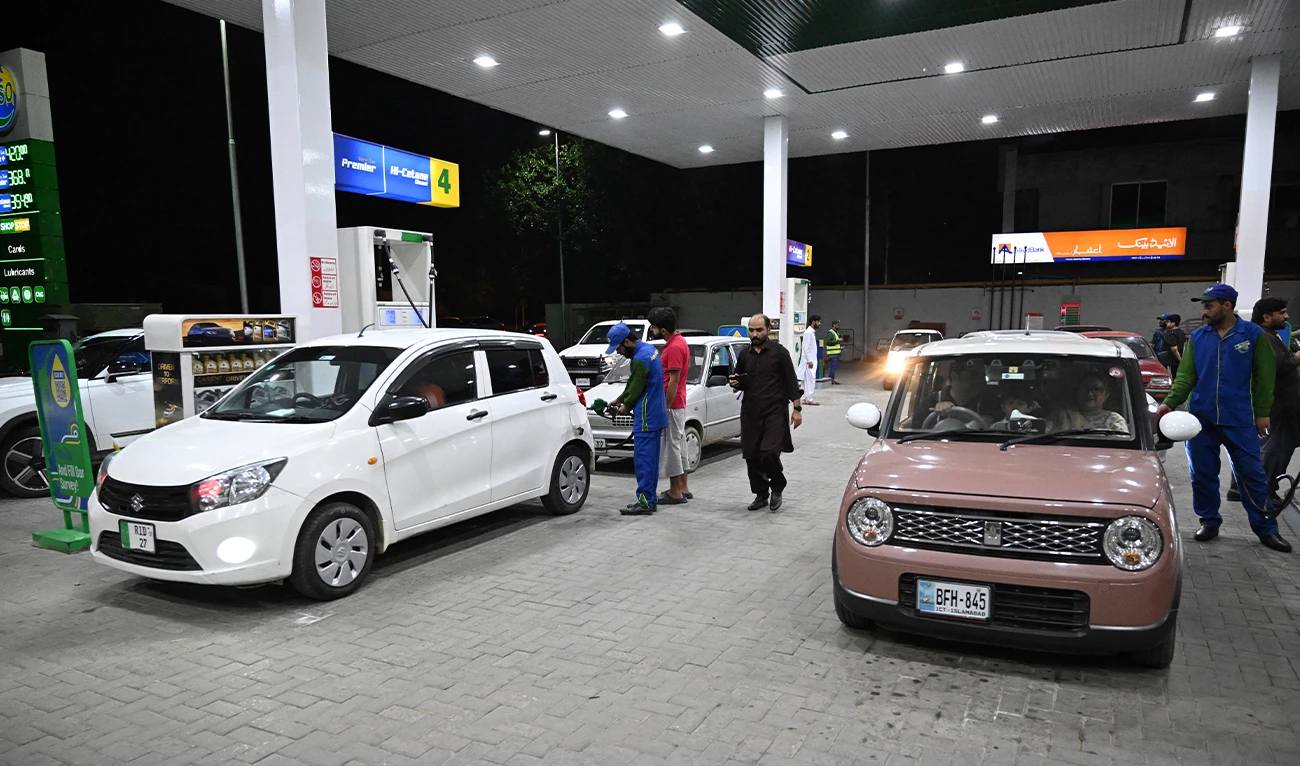
KARACHI: Pakistan raised petrol prices for a fourth consecutive revision this week on Thursday, taking the cumulative increase to nearly Rs25 per liter as escalating Middle East hostilities disrupt shipping through key oil routes and push global crude prices higher.
The government increased petrol by Rs3.05 to Rs370.80 per liter and high-speed diesel (HSD) by Rs5.37 to Rs398.04, effective Sept. 11, according to a Petroleum Division notification. The latest increase comes as Brent crude trades above $100 a barrel amid renewed disruption around the Strait of Hormuz and growing security risks near the Bab Al-Mandab.
“Based on revised petroleum pricing mechanism, issued by Federal Government, Oil and Gas Regulatory Authority (OGRA) has revised the ex-depot prices of the petroleum products for 11th September, 2026,” the Petroleum Division said in a notification that listed the new prices.
Petrol has now risen by Rs24.93 per liter since the start of this week, climbing from Rs345.87 to Rs370.80, while HSD has increased by Rs19.99 per liter over the same period, from Rs378.05 to Rs398.04.
Pakistan moved to daily fuel pricing in July in response to sharp fluctuations in international petroleum markets following renewed hostilities between Iran and the United States. Petroleum Minister Ali Pervaiz Malik said at the time that the change was needed because of volatility in global prices.
The latest domestic increases come as the conflict again rattles international energy markets and shipping through the Strait of Hormuz, through which around a fifth of the world’s oil normally passes.
Only seven vessels transited the strait on Wednesday, down from 12 a day earlier and below a 10-day average of 14, according to preliminary ship-tracking data cited by Reuters. No liquefied natural gas tankers passed through the waterway.
Brent crude surged above $100 a barrel this week for the first time since July.
Pressure on regional shipping routes has also intensified near the Bab Al-Mandab, the narrow passage connecting the Red Sea with the Gulf of Aden, where Yemen’s Iran-backed Houthis have targeted Saudi-linked commercial vessels.
Pakistan, which relies heavily on imported energy, is particularly vulnerable to swings in international oil prices and disruptions along regional shipping routes.