- Lawyer says petition filed for 14 students, including eight women, seeks suspension of PMDC directives
- Foreign office says Afghans with valid visas and recognized enrollment can complete studies in Pakistan
ISLAMABAD: A group of Afghan medical students on Thursday challenged in the Lahore High Court directives by Pakistan’s medical regulator requiring Afghan nationals enrolled in medical and dental programs to return to their country, days after universities began directing students to leave their colleges and hostels.
The legal challenge comes amid conflicting signals from Pakistani authorities over the students’ fate, with the Pakistan Medical and Dental Council (PMDC) ordering their return to Afghanistan, even as the foreign office said those holding valid visas and enrolled in recognized degree programs would be allowed to complete their studies.
“We have today filed a petition on behalf of 14 Afghan medical students, eight of whom are female,” Asad Jamal, the students’ lawyer, told Arab News over the phone. “We have also submitted an application requesting that the orders of the PMDC and subsequent notifications of the colleges be suspended until the final verdict of the court.”
“The case will be heard tomorrow, where we will argue for immediate relief for the students, as the action against them has no legal or constitutional basis,” he added. “These students arrived in Pakistan through a scholarship offered by the government of Pakistan.”
Arab News saw a copy of one of the petitions, filed by a female Afghan student studying medicine at Lahore’s King Edward Medical University, which challenged directives issued by the PMDC.
The directives said Afghan nationals previously enrolled in medical or dental programs in Pakistan were required to return to Afghanistan in accordance with “prevailing policy directions” and instructed medical institutions to complete necessary administrative formalities, including documentation facilitating their departure.
The petition asks the court to suspend the directives and allow the student and other affected Afghan students to return to their colleges and hostels and continue their education until a final decision in the case.
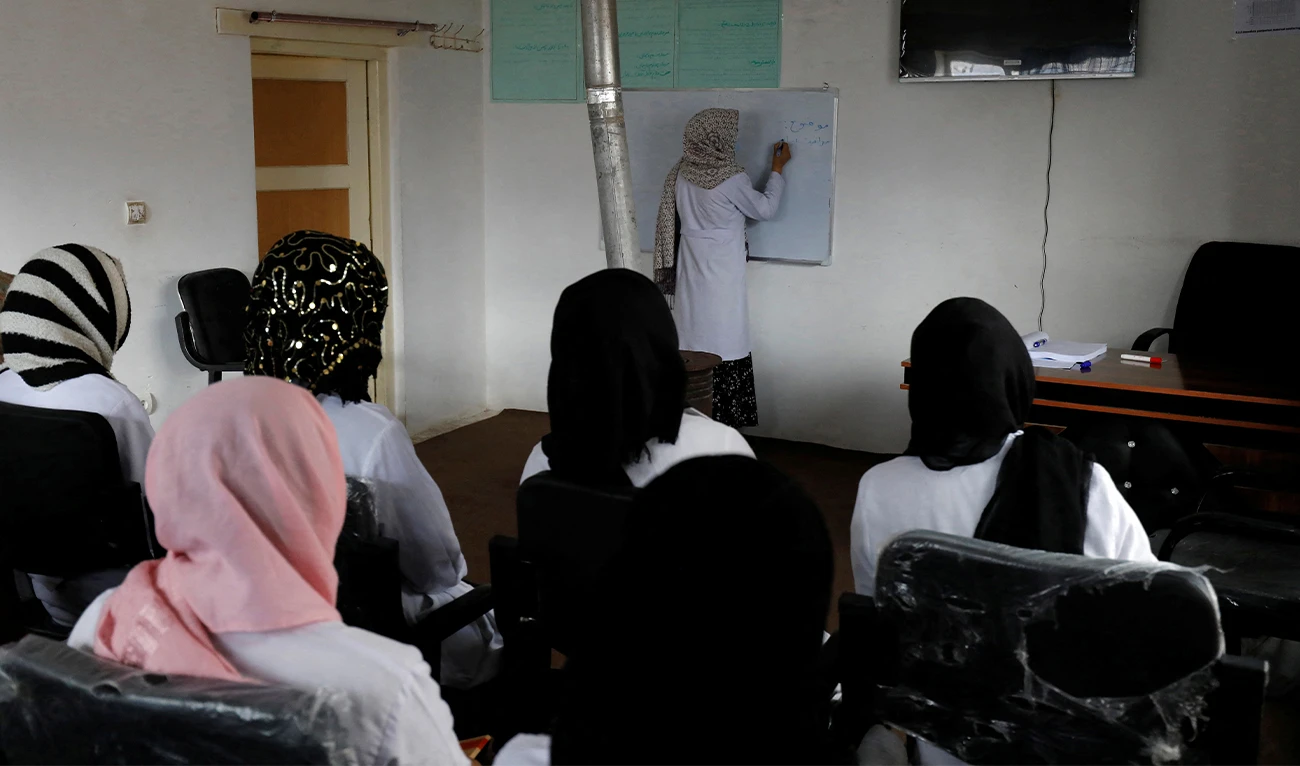
The petition said the student had previously studied medicine at Balkh University in Afghanistan but had to abandon her education after the Taliban government imposed restrictions on women’s higher education. She subsequently received an Allama Iqbal Scholarship offered by Pakistan’s Higher Education Commission and moved to Lahore to resume her studies.
The petition said the PMDC directives had left the student facing the prospect of being forced to abandon her studies for a second time and return to Afghanistan.
“The impugned orders are discriminatory against women and all other Afghan students present in Pakistan,” it added, arguing that the measures violated fundamental rights and Pakistan’s international obligations.
The court challenge comes as Pakistan’s foreign office said on Thursday that Afghan students holding valid visas and enrolled in valid degree programs could remain in the country and complete their education.
“Those who are holding valid visas and registered in valid degree programs, they will continue and they will complete their education in Pakistan,” foreign office spokesperson Sajjad Haider Khan told reporters during a weekly briefing in Islamabad.
He said Pakistan had not imposed a “blanket ban” on Afghan students and told reporters to seek clarification from the PMDC on whether those being ordered to leave had valid visas and registrations.
A spokesperson for the PMDC declined to comment when contacted by Arab News.
The dispute comes against the backdrop of Pakistan’s widening campaign to repatriate Afghan nationals and sharply deteriorating relations with Afghanistan’s Taliban government amid rising militant attacks which Islamabad blames on groups it says are sheltered by Kabul. Afghan authorities deny the allegation.
More than 2.6 million Afghans returned to Afghanistan from Pakistan between September 2023 and July 31, 2026, according to the International Organization for Migration.
Pakistan says the repatriations are necessary for national security and immigration enforcement, while the United Nations and rights groups have repeatedly raised concerns over forced returns, particularly of vulnerable Afghans.