- Pakistan finance minister meets International Islamic Trade Finance Corporation’s CEO in Bangkok
- ITFC, a member of the IsDB, has provided $92 billion in financing to OIC member states since 2008
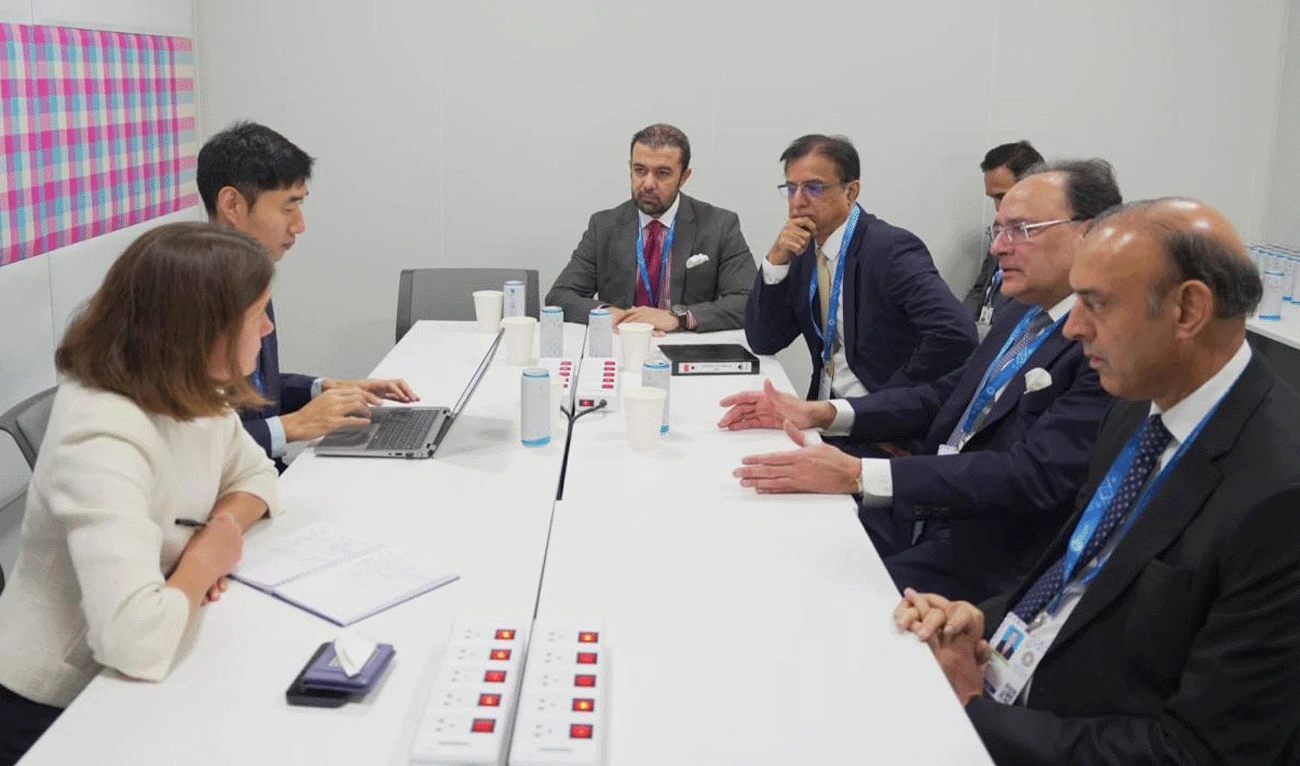
ISLAMABAD: Pakistan’s Finance Minister Muhammad Aurangzeb on Thursday sought lower borrowing costs from the International Islamic Trade Finance Corporation (ITFC) in a meeting with the global trade financier’s chief executive officer, the Finance Division said as Islamabad seeks to strengthen its long-term financial position.
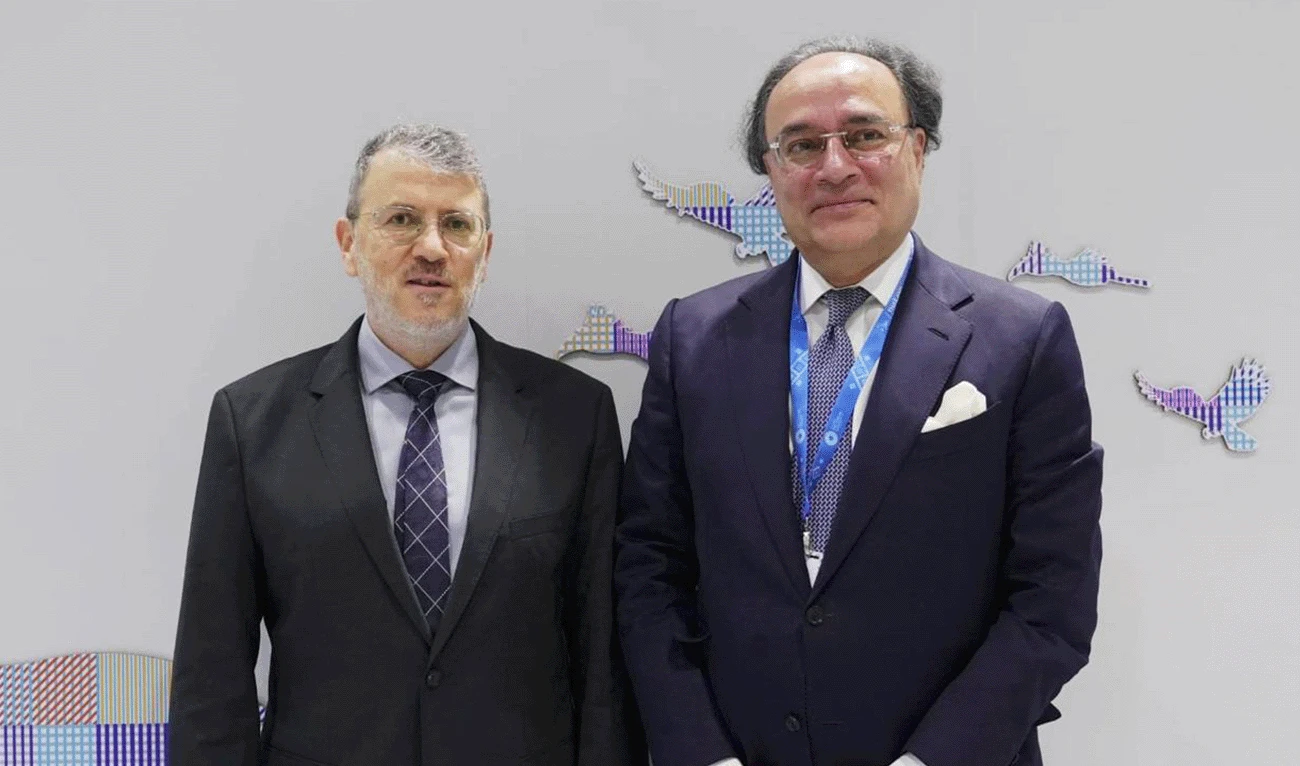
Aurangzeb met Adeeb Y. Al Aama, the ITFC’s CEO, on the sidelines of the World Bank Group–IMF Annual Meetings 2026 in Bangkok. Aurangzeb is in Bangkok leading Pakistan’s delegation to the annual meetings, which are being held till Oct. 18.
The ITFC is a member of the Islamic Development Bank (IsDB) Group, and was established with the primary objective of advancing trade among Muslim nations. Since January 2008, the ITFC has provided $92 billion in financing to OIC member states, making it the leading provider of trade solutions for member states.
“Both sides reviewed the remaining financing tranche and discussed aligning borrowing costs with improved market conditions,” the Finance Division said. “They agreed that technical teams would explore pricing and financing-volume adjustments to find a mutually acceptable solution.”
Pakistan has collaborated frequently with ITFC in the past. The Islamic trade financier signed a $513 million syndicated Murabaha financing facility with Islamabad in July 2025 to fund vital oil and gas imports.
However, the statement did not elaborate whether the two sides reviewed the remaining tranche of this agreement or another one.
Aurangzeb highlighted Pakistan’s economic progress, stronger reserves and renewed access to international capital markets during the meeting. The Pakistani finance minister further outlined efforts to replace costly, short-term borrowing with longer-maturity financing without increasing external debt.
“Discussions also covered digital product passports to support textile exports to the European Union and single-window connectivity to facilitate ASEAN trade,” the Finance Division said.
“Both sides reaffirmed their long-term partnership and commitment to strengthening Pakistan’s export competitiveness.”
The meetings take place as Pakistan continues its transition from macroeconomic stabilization toward sustainable, investment and export-led growth, while advancing structural reforms and strengthening engagement with international capital markets and development partners.
The South Asian country secured a $7 billion Extended Fund Facility in Sept. 2024, followed by a $1.4 billion, 28-month Resilience and Sustainability Facility in May last year. The IMF said last week it reached an agreement with Pakistan that could unlock about $1.2 billion financing under both facilities.