- The project is designed to improve infrastructure linking the vast lignite reserves with power plants
- The development comes days after authorities announced major expansion at Thar coal mine in Sindh
KARACHI: Pakistan’s Economic Coordination Committee (ECC) on Thursday approved Rs10 billion ($36 million) to support the Thar Coal Rail Connectivity Project as the government seeks to expand the use of indigenous coal for power generation, amid rising energy prices.
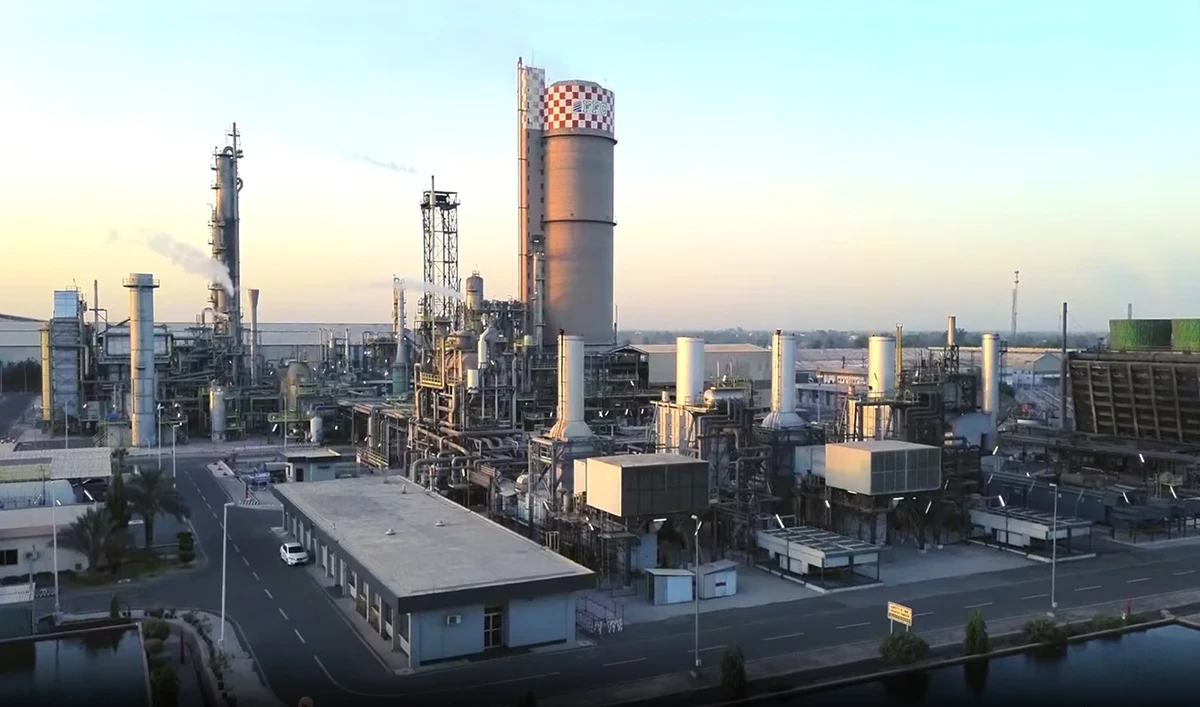
The rail connectivity project is designed to improve transport infrastructure linking the country’s vast lignite reserves in the Thar desert with power plants and industrial consumers, reducing reliance on imported fuels.
Pakistan has increasingly turned to domestic coal in recent years to cut its energy import bill, strengthen energy security and ease pressure on foreign exchange reserves as global fuel prices have remained volatile.
“The ECC also approved a TSG (technical supplementary grant) of Rs 10.0 billion for the Ministry of Railways to provide budgetary cover for the Thar Coal Rail Connectivity Project, facilitating the utilization of indigenous Thar coal for power generation and other industrial sectors,” the Pakistani finance ministry said on Thursday.
The statement came days after authorities announced major expansion at Thar coal mine in Pakistan’s southern Sindh province.
The third phase of the Thar Block II mine increases annual production capacity by 47 percent, from 7.6 million to 11.2 million tons, according to the Sindh provincial government. The additional 3.6 million tons will supply the 660-megawatt Lucky Electric Power Company plant near Karachi, which has historically relied largely on imported coal.
The expansion comes as Pakistan, a net energy importer with limited foreign-exchange buffers, faces higher fuel costs due to the US-Iran war and disruption to energy supplies and shipping through the Strait of Hormuz. Replacing imported coal and other fuels with domestic resources has consequently become increasingly important to Islamabad’s energy-security strategy.
Pakistan has already significantly expanded the use of coal from Thar, a desert region bordering India that contains one of the world’s largest lignite deposits. Six power projects with combined capacity of 3,960 MW used Thar coal either wholly or partly in the last fiscal year, generating 16,447 gigawatt-hours of electricity and consuming 13.8 million tons of local fuel, according to government data published last month.