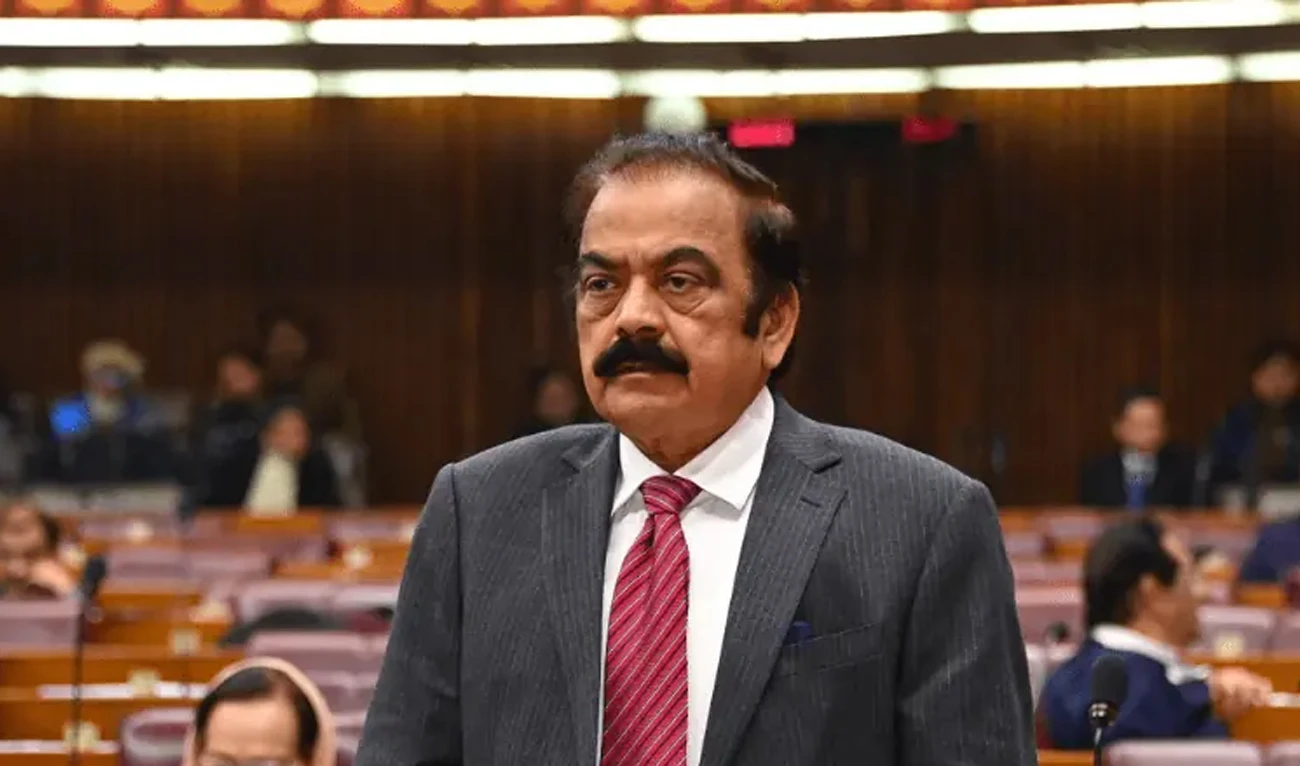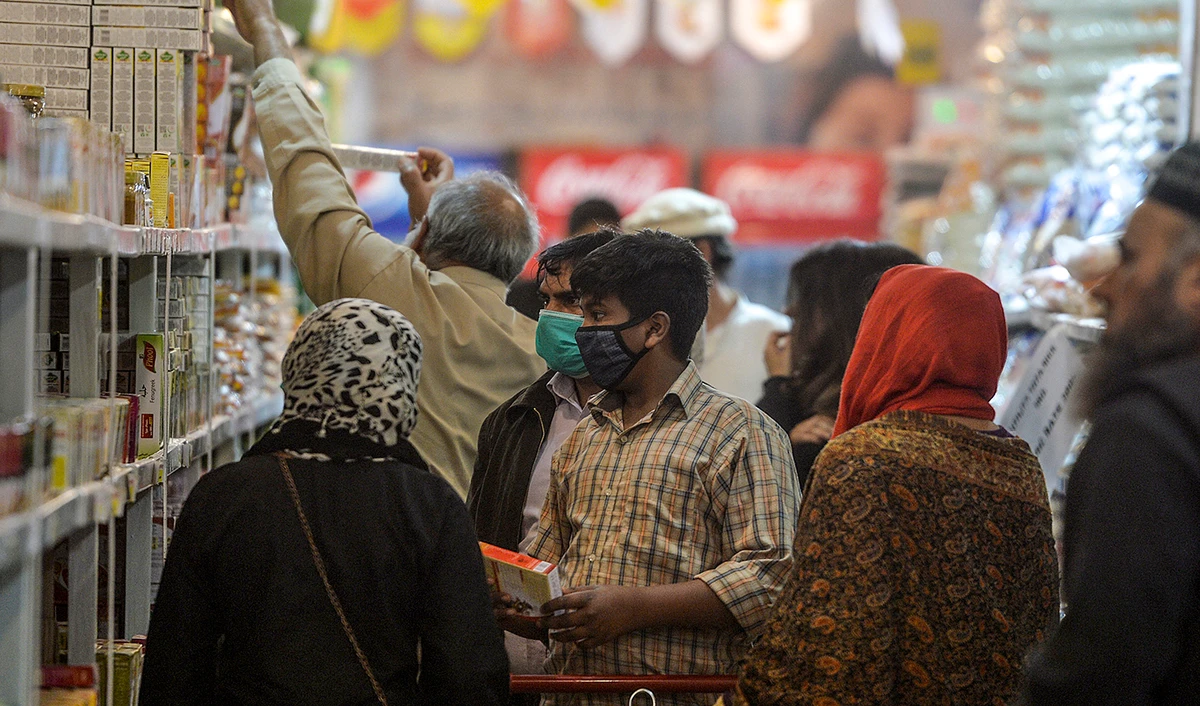
- Murtaza Syed says market concerns about Pakistan's financial position will dissipate in weeks
- Central bank chief says Pakistan's $33.5 billion external financing needs fully met for fiscal year
ISLAMABAD: Pakistan's central bank chief on Saturday said the South Asian country of 220 million was not as vulnerable as it was considered to be, despite the worsening economic conditions.
Pakistan's currency fell nearly 8 percent against the US dollar in the last trading week, while the country's forex reserves stand below $10 billion with inflation at the highest in more than a decade, leading to fears of an economic collapse.
However, the country's central bank chief has lately played down these concerns, particularly about the Pakistan's public debt profile.
"In my opinion, Pakistan is not as vulnerable as people are considering it," Murtaza Syed, the acting governor of State Bank of Pakistan (SBP), said during a podcast late Saturday.
Syed said Pakistan's debt level was 70 percent of the gross domestic product (GDP) and the external debt-to-GDP ratio was 40 percent, which was far lower than the countries like Tunisia, Angola and Zambia.
He said short-term and commercial loans also played an important role in this regard.
"In Pakistan's case, only 7 percent of our external debt is based on short-term maturity," the SBP chief said. "Only 20 percent of our external debt is on commercial terms, the rest is concessional from multilaterals, IMF, World Bank and friendly countries, which is easy to return for us."
He said the next 12 months would be "very difficult" for the global economy and all countries were worried because of inflation in the wake of rising commodity prices and geo-political tensions.
Syed said countries with high debt levels were experiencing pressure and markets were panicking because of this pressure.
He said Pakistan achieved a "milestone" staff-level agreement with the IMF on July 13 and everything was "on track."
The agreement will pave the way for the disbursement of $1.17 billion in critical funding to Pakistan under resumed payments of a $6 billion bailout package Pakistan secured in 2019.
However, the lender's board needs to approve the agreement before the disbursement, which is expected in August, before which there remain prior policy actions to be fulfilled, according to sources familiar with the matter.
This was the second time in 24 hours that the Pakistani central bank chief spoke about the country's current economic situation.
Syed earlier told Reuters that Pakistan's $33.5 billion external financing needs were fully met for financial year 2022-23, adding that "unwarranted" market concerns about its financial position would dissipate in weeks.
"Our external financing needs over the next 12 months are fully met, underpinned by our on-going IMF program," he said.
In a recent presentation to international investors, Syed said $33.5 billion in gross external financing needs would be met "comfortably" with $35.9 billion in available financing.
Most of the financing was shown from multilaterals, oil payment facilities, and rollovers of bilateral financing, and the heaviest financing needs were in Q2 of FY2022-23.