- The move is aimed at addressing conflict of interest in regulation and service delivery
- Lawmakers urge PM Shehbaz Sharif to expedite key appointment of Hajj director-general
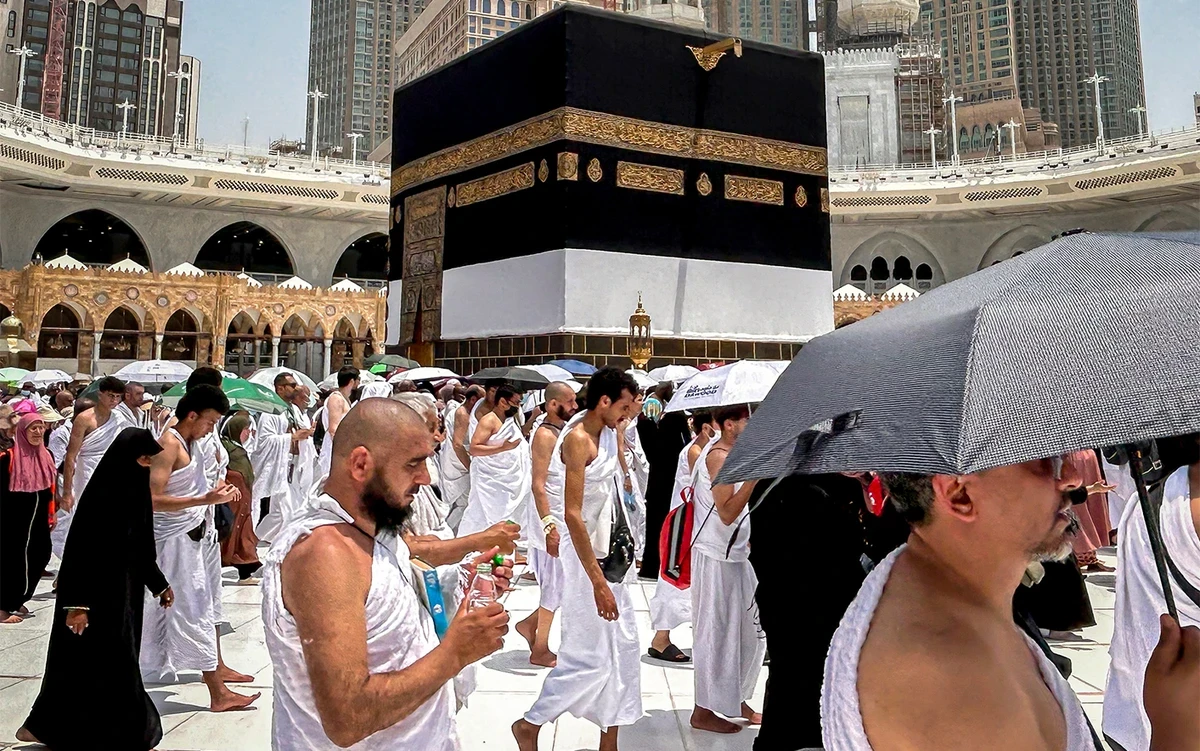
ISLAMABAD: Pakistan’s religious affairs ministry is drafting a legislation to establish a regulatory authority for Hajj, Umrah and other pilgrimage services to separate industry regulation from the government’s operational role, a senior official said on Thursday.
Tens of thousands of Pakistanis each year go on religious pilgrimages, mainly Hajj and Umrah, through both government and private operators. In recent years, authorities have introduced a series of reforms to improve services and oversight of the pilgrimage sector.
The proposed authority will oversee both private- and public-sector operators to improve service standards and selection of providers, according to Pakistan’s Secretary for Religious Affairs and Interfaith Harmony Abrar Ahmed Mirza.
The disclosure came during a discussion on preparations for Hajj 2027, including procurement arrangements in Saudi Arabia, selection of private service providers and appointment of a new Hajj director general, at a meeting of a subcommittee of the National Assembly committee on religious affairs.
“We are drafting legislation, basically, a Hajj, Umrah and Ziaraat Regulatory Authority. We want to move this work out of the ministry [domain],” Mirza told Arab News.
“We haven’t taken it to the government level yet, but we are doing homework on it at our own level.”
Mirza compared the proposed framework with existing independent regulators like the National Electric Power Regulatory Authority (NEPRA) and the Oil and Gas Regulatory Authority (OGRA), which oversee their respective sectors rather than directly providing services.
Under the proposed arrangement, the regulator would oversee companies and services, while the ministry could focus on facilitating pilgrim operations, according to the official. The ministry currently handles both service delivery and regulation, which some say creates a conflict of interest.
Mirza did not share a timeline or specific details about the establishment of the authority, saying that the draft must first be shared with the government and proceed according to its direction.
“We still need to bring the government on board. We will share the draft and then follow whatever direction we receive from the government,” he said.
“The authority will help improve the selection of companies and improving services standards. And it will tackle Hajj, Umrah as well as Ziaraat.”
The discussion also shed light on Pakistan’s preparations for Hajj 2027. Under the country’s multi-year Hajj framework, Pakistan’s annual quota remains at 179,210 pilgrims, with the quota for the upcoming Hajj divided on a 60:40 basis between public and private sectors.
Officials told the committee that procurement in Saudi Arabia for Hajj operations is being handled through annual contracts rather than multi-year deals, unless Saudi directives allow otherwise.
The delayed appointment of a permanent Hajj director-general also came under discussion at the meeting. Abdul Wahab Soomro is currently serving as Pakistan’s Hajj Director-General, although his three-year term has concluded.
Officials said the ministry completed its selection process last year and sent a three-person panel to the prime minister’s office, which holds the final authority for appointment.
The committee was informed that the prime minister’s office subsequently directed the ministry start the appointment process. The ministry received 55 applications and forwarded them to Institute of Business Administration (IBA) Karachi for tests, scheduled for Oct. 18.
The committee decided to write directly to the prime minister requesting the earliest possible appointment of a new DG Hajj.