- PMDC tells medical, dental colleges to facilitate return of enrolled Afghan students, halt new admissions
- Directive comes as Islamabad steps up Afghan deportations amid worsening security, tensions with Kabul
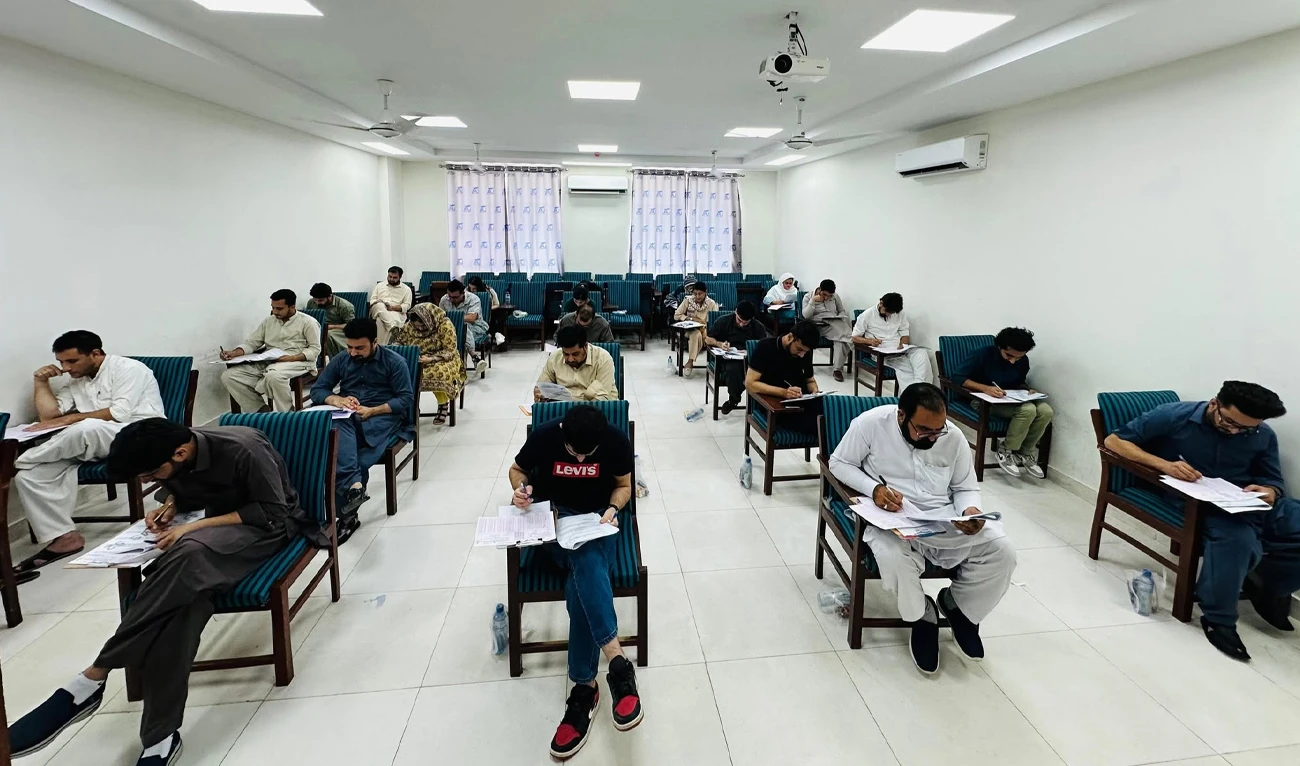
ISLAMABAD: Pakistan’s medical regulator has ordered Afghan students enrolled in medical and dental colleges across the country to return to their home country and barred institutions from admitting new Afghan students, according to an official directive seen by Arab News on Tuesday, amid deteriorating relations between the two neighbors.
The Sept. 1 letter from the Pakistan Medical and Dental Council (PMDC) reiterates instructions first issued on July 31 and comes as Islamabad intensifies the repatriation and deportation of Afghans following a sharp deterioration in ties with Kabul over militant violence and months of deadly cross-border hostilities.
A PMDC official confirmed the authenticity of the Sept. 1 letter to Arab News but declined to provide further details.
“Afghan nationals previously enrolled in medical or dental programs in Pakistan are required to return to Afghanistan,” the PMDC said in the directive sent to medical and dental institutions across the country.
“Institutions shall ensure that all necessary administrative formalities, including issuance of requisite NOCs [no objection certificates] and facilitation of their departure are completed accordingly.”
The regulator said no new admission, placement, transfer, migration or “other facilitation” of Afghan nationals would be permitted during the current academic session until further orders.
“The matter is of highest priority and relates to national policy directives,” it said.
The PMDC did not say in the letter how many Afghan students were currently enrolled in Pakistani medical and dental colleges nor whether students close to completing their degrees would be exempted.
The latest order comes against the backdrop of Pakistan’s widening campaign to repatriate Afghan nationals and an unprecedented deterioration in relations with Afghanistan’s Taliban government.
Pakistan launched its Illegal Foreigners’ Repatriation Plan in late 2023, initially targeting undocumented foreigners, the overwhelming majority of them Afghans. Islamabad announced the drive after a surge in militant attacks, saying 14 of 24 suicide bombings recorded in Pakistan that year had been carried out by Afghan nationals.
The campaign has since expanded, with authorities this year ordering the arrest of Afghan nationals living in Pakistan without valid visas and directing provincial governments to accelerate repatriations and deportations.
More than 2.6 million Afghans returned to Afghanistan from Pakistan between September 2023 and July 31, 2026, according to the International Organization for Migration.
Pakistan says the expulsions are necessary for national security and immigration enforcement, while the United Nations and rights groups have repeatedly raised concerns over forced returns, particularly of vulnerable Afghans.
Relations between Islamabad and Kabul have meanwhile deteriorated sharply over Pakistan’s allegations that the Tehreek-e-Taliban Pakistan (TTP) and other militants use sanctuaries in Afghanistan to plan and launch attacks across the border. The Taliban government denies allowing Afghan territory to be used for attacks on Pakistan.
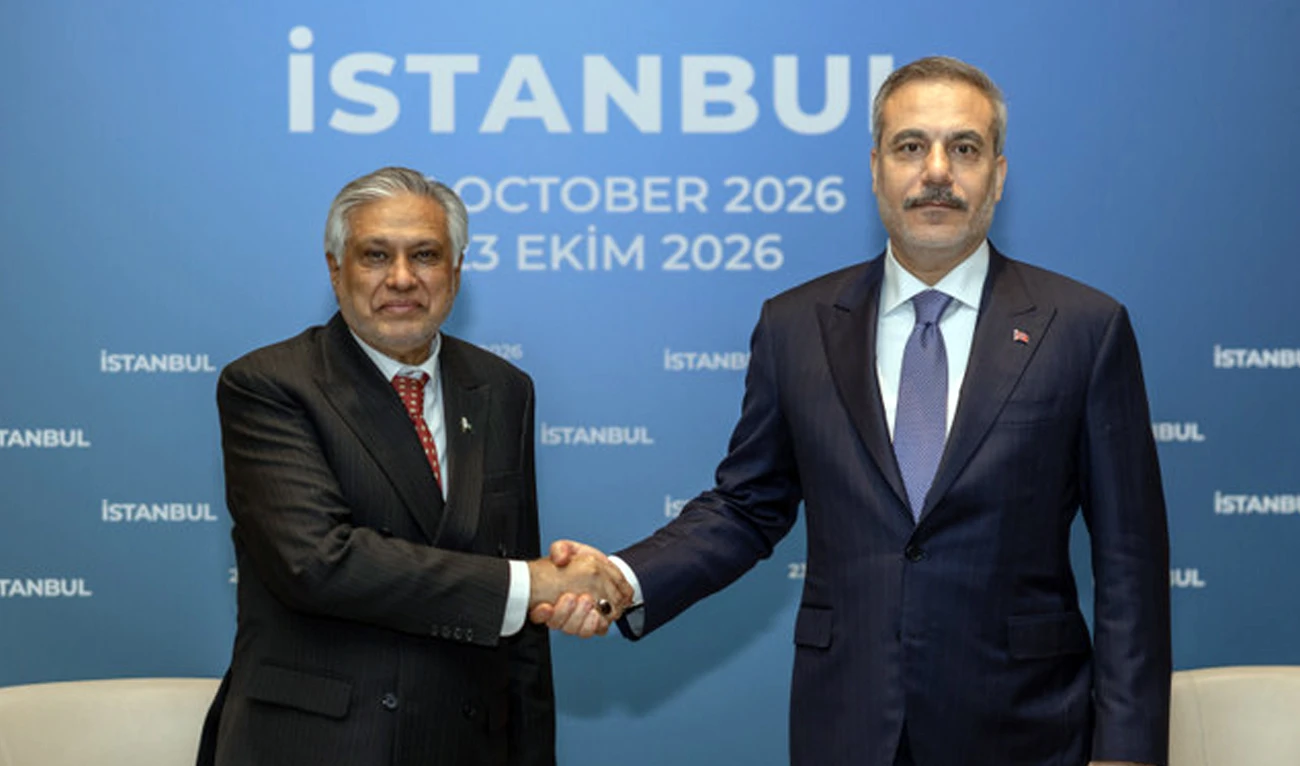
The tensions spilled into some of the worst fighting between the neighbors in years in October 2025, when dozens were killed in cross-border clashes before Qatar and Türkiye brokered a ceasefire. Subsequent peace talks failed to resolve the dispute and sporadic clashes and border closures continued.
The PMDC order represents a significant extension of restrictions affecting Afghans in Pakistan because it applies to students already enrolled in professional degree programs, rather than only to undocumented migrants, refugees or people without valid visas.