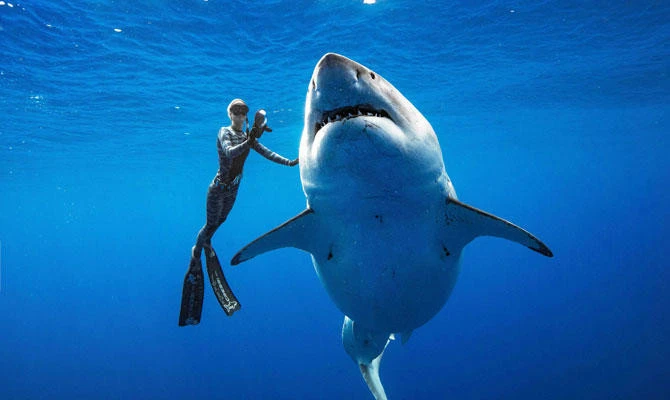
- Ten-year plan targets illegal shark finning, accidental deaths and protection of marine habitats
- Government estimates up to $5 million will be required for first five years of conservation drive
KARACHI: Pakistan has unveiled a 10-year national plan to protect threatened shark populations in the Arabian Sea and promote sustainable fishing, the maritime affairs minister said on Tuesday, as the country seeks to protect marine biodiversity while safeguarding the livelihoods of coastal fishing communities.
The plan, which aims to position Pakistan as a leader in sustainable shark fisheries by 2035, will target illegal shark finning and accidental catches, protect critical marine habitats and introduce annual assessments of shark populations and stocks. It will also provide alternative livelihood opportunities for fishing communities.
“The first five years of the plan will require up to $5 million,” Maritime Affairs Minister Muhammad Junaid Anwar Chaudhry said in a statement.
He said implementation of laws governing shark conservation would be strengthened as part of the initiative, adding that protecting the species was also an obligation for Pakistan under international environmental agreements.
Sharks are apex predators that help maintain the balance and diversity of marine ecosystems by regulating species lower down the food chain. Their depletion can alter marine food webs and undermine the health of ecosystems that also support commercial fisheries.
Pakistan’s shark populations have come under pressure from overfishing, accidental capture in fishing gear and habitat degradation. Shark fins are also a valuable export product, traditionally used in shark-fin soup and other dishes in parts of Asia.
A study published in the Pakistan Journal of Zoology in 2025 found that annual landings of sharks and rays fell from a peak of 54,959 metric tons in 1999 to 5,793 tons in 2019, pointing to a steep long-term decline.
The government said in October last year it was developing the national action plan in consultation with stakeholders, including the governments of Sindh and Balochistan, identifying requiem, hammerhead, thresher, mackerel and whale sharks among species requiring protection in the Arabian Sea.
At the time, Chaudhry said unsustainable fishing practices threatened marine biodiversity as well as Pakistan’s seafood trade and international conservation commitments. He called for stronger monitoring, enforcement and awareness among fishing communities.