- Bank Alfalah becomes first Pakistani lender to undertake diversified payment rights transaction
- New structure offers alternative route to long-term foreign-currency financing, could be replicated by other banks
KARACHI: Pakistan has launched its first diversified payment rights financing program, with the International Finance Corporation and Bank Alfalah signing an agreement for an initial transaction of up to $100 million, the finance ministry said on Thursday.
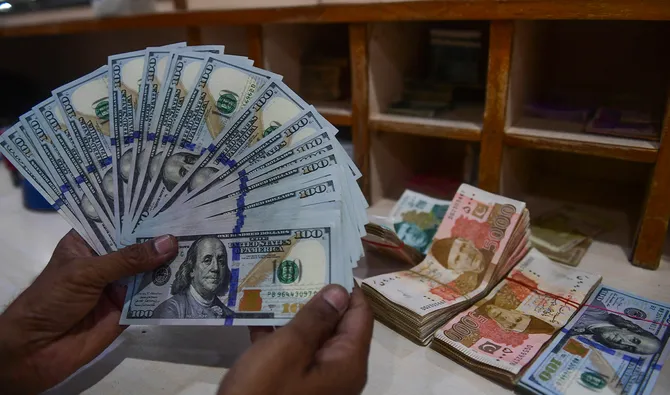
Diversified payment rights, or DPRs, allow banks to raise financing against future foreign-currency payment flows they expect to receive through their networks, providing an alternative way to access longer-term funding from international investors.
For Pakistan, which faces persistent external financing needs and has traditionally relied heavily on multilateral, bilateral and commercial borrowing, the structure could help diversify sources of foreign currency and provide local banks with another route to international capital.
“The initial transaction envisages up to $100 million of financing under the DPR structure,” the finance ministry said in a statement.
“Subject to market conditions and the performance of the initial transaction, the program may provide a platform for further financing and broader participation by international institutional and private investors.”
Bank Alfalah is the first Pakistani lender to undertake a DPR transaction, according to the ministry. The government said the structure could eventually be replicated by other domestic banks, depending on market conditions and the performance of the initial program.
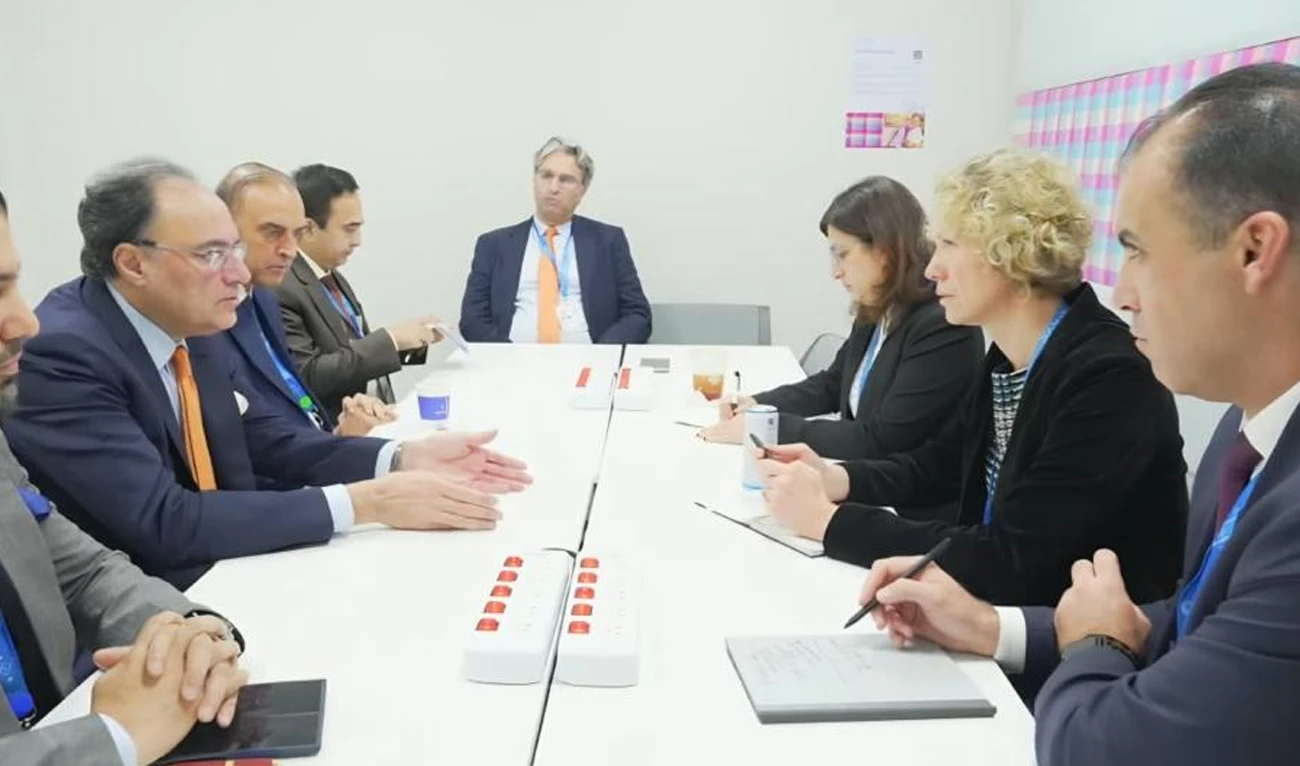
Finance Minister Muhammad Aurangzeb, who was at the launch ceremony in Islamabad, said the transaction had required regulatory, policy and technical work involving the finance ministry, State Bank of Pakistan, IFC and Bank Alfalah and could provide a model for similar financing structures in the future.
He also emphasized the need to develop a pipeline of projects that could use foreign-currency funding raised through the new channel.
The government has been seeking to diversify Pakistan’s external financing sources and attract greater private foreign capital as the country works to strengthen its external account and reduce its vulnerability to financing pressures.