- Pakistan’s measures to implement tough IMF conditions have increased inflation in recent months
- Analysts say annual inflation expected to remain elevated at 24-25% for current fiscal year
KARACHI: Pakistan’s monthly inflation rate hit a 47-year high at 27.3% in August 2022 on a year-on-year basis, according to government data released on Thursday, as the country undertook tough measures to revive the International Monetary Fund's (IMF) loan program.
Inflation measured by the Consumer Price Index (CPI) increased to 27.3% on a year-on-year basis in August 2022 as compared to 24.9% in the previous month and 8.4% in August 2021, according to the Pakistan Bureau of Statistics (PBS).
On a month-on-month basis, inflation increased by 2.4% in August 2022 as compared to an increase of 4.3% in the previous month and an increase of 0.6% in August 2021, as per official figures.
“The inflation rate is [at a] 47-year high [and for the first time ever] after May 1975, when it was recorded at 27.77%, mainly due to higher food and energy costs,” Tahir Abbas, Head of Research at Arif Habib Limited, a Karachi-based brokerage firm, told Arab News.
Analysts said the recent hike in prices of petroleum products, energy tariff hikes and the depreciation of Pakistan’s currency have all played a major role in increasing inflation in the South Asian country.
“The government has withdrawn subsidies on fuel and increased power tariff under fuel cost adjustments to implement prior actions for the IMF program's revival,” Samiullah Tariq, Director of Research at the Pakistan Kuwait Investment company, said.
“The measures to implement prior action reflect in the inflation rate, which has remained on the higher side for the last couple of months,” he said. “Currency depreciation has also played a role in the price hike, especially when it comes to commodities.”
The IMF on Monday completed the seventh and eighth reviews of the Extended Fund Facility for Pakistan and released $1.1 billion for the country, bringing the total purchases for budget support under the arrangement, to $3.9 billion.
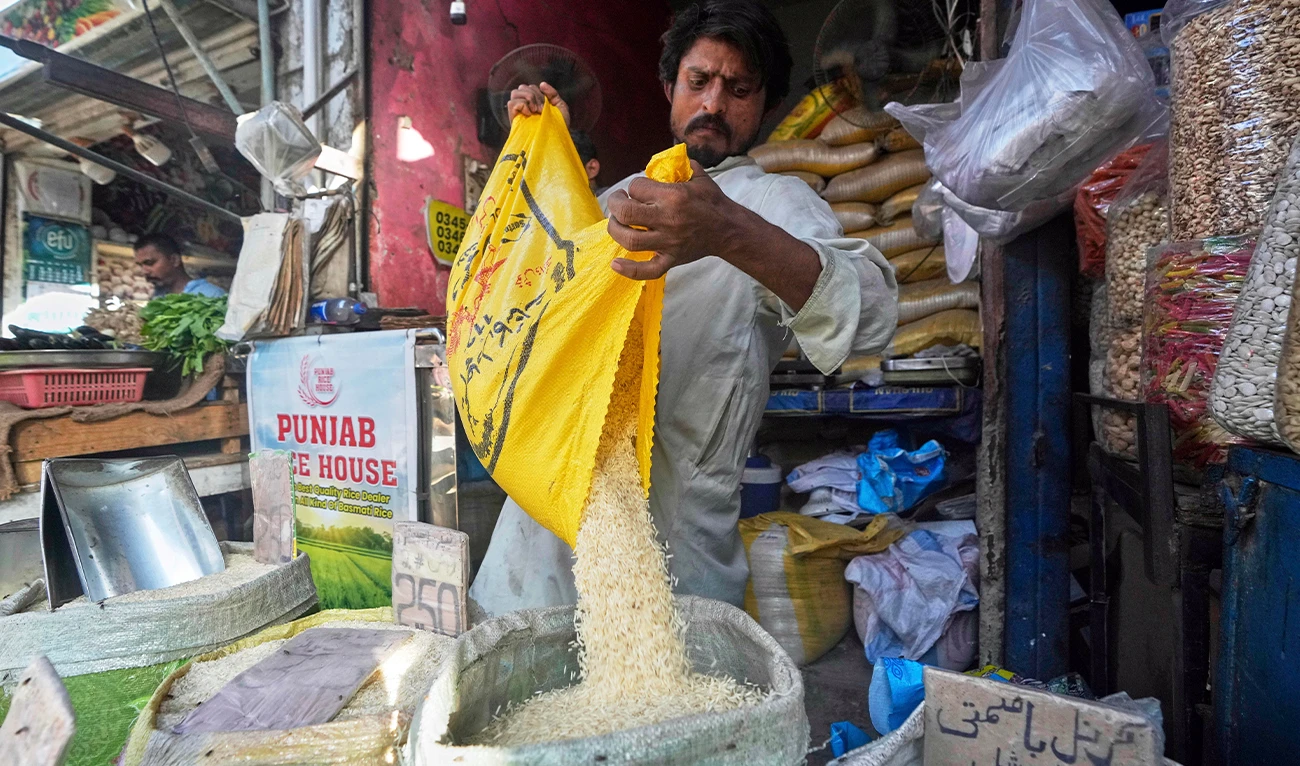
The PBS data shows that food inflation for non-perishable items surged to 29.53% while it was recorded at 33.85% for perishable food items in August, when compared to August 2021. The cost of transport was up by 64.23% in August 2022 compared to August 2021.
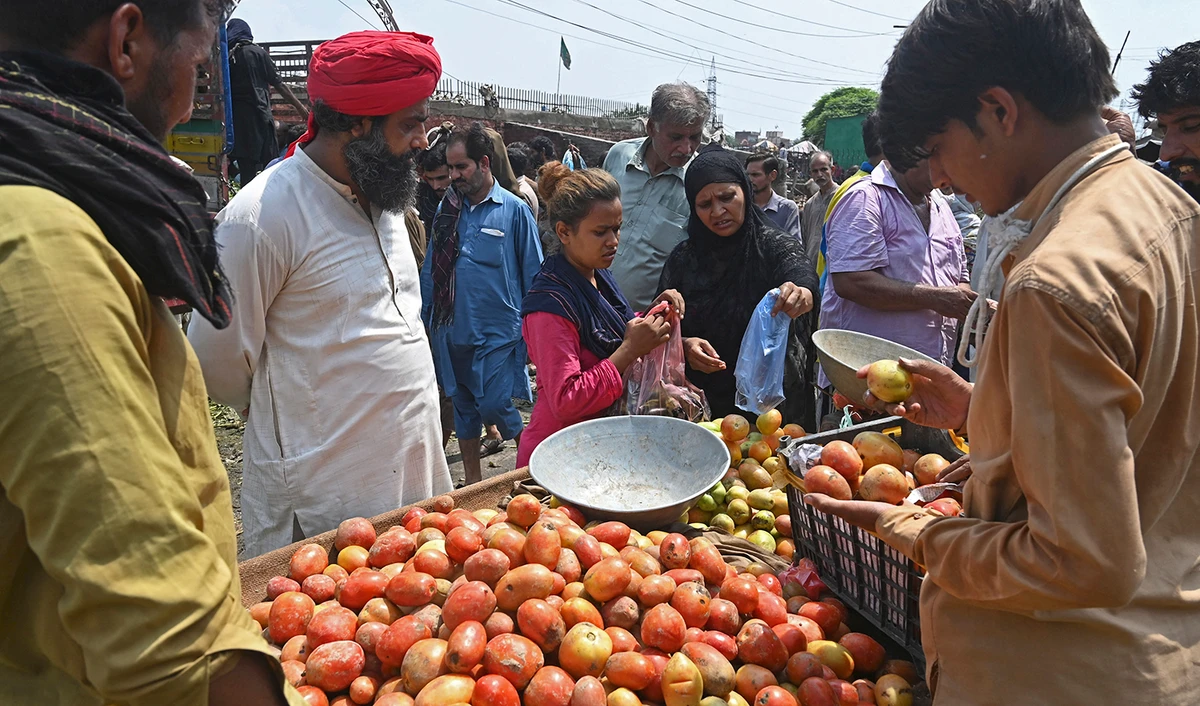
On a month-on-month basis, the price of tomatoes increased by 52.85%, and that of other vegetables increased by 13.44%, electricity charges were up 19.73%, and Liquefied Hydrocarbons prices increased by 8.53%.
On a year-on-year basis, electricity charges have increased by 123.37% while the cost of motor fuel surged by 84.21%, according to the PBS data.
However, Pakistani analysts said inflation is expected to ease off after September 2022 following the government’s decision to import food commodities and the completion of a major electricity tariff adjustment.
“The major fuel cost adjustment of power tariff has been achieved, and petroleum prices also remain largely stagnant (despite recent minor changes), and prices of commodities are expected to decline following government’s decision to allow imports,” Abbas said.
Pakistani fruit and vegetable exporters and importers said on Thursday that they have started importing onions after the government once again issued its permits.
“The government has issued permits for the import of 13,000 tons of onion and we hope that it [volume of imports] would be increased, “Waheed Ahmed, Patron-in-Chief All Pakistan Fruit & Vegetable Exporters, Importers & Merchants Association (PFVA), said.
“We will import from Turkey, Dubai, Egypt and China while imports of onion and tomatoes from Iran and Afghanistan have started. This is expected to bring price stability in the market in the next 15-20 days,” he added.
However, Tariq said inflation would remain at the 24-25% level, keeping in mind the disastrous effects of the recent floods in Pakistan.
“The August 2022 data has not incorporated the price impact of floods which is expected [to be reflected in] the weekly inflation rate which is expected in a day or two,” he said. “Overall inflation is expected to remain elevated at around 24-25% for the whole year.”
Floods triggered by unusually heavy monsoon rains since mid-June have inflicted heavy damage on the South Asian country. Pakistan has suffered huge human, infrastructural, and agricultural losses as a result of the floods, which the government says have affected around 33 million people in the country.