- Brownfield Refining Policy offers incentives to existing refineries to modernize aging facilities
- Agreement provides framework for implementation, monitoring of refinery upgradation projects
KARACHI: Pakistan’s top economic decision-making body on Monday approved a draft agreement clearing the way for multibillion-dollar upgrades of five oil refineries, the Finance Division said, as Islamabad attempts to modernize its aging refinery infrastructure.
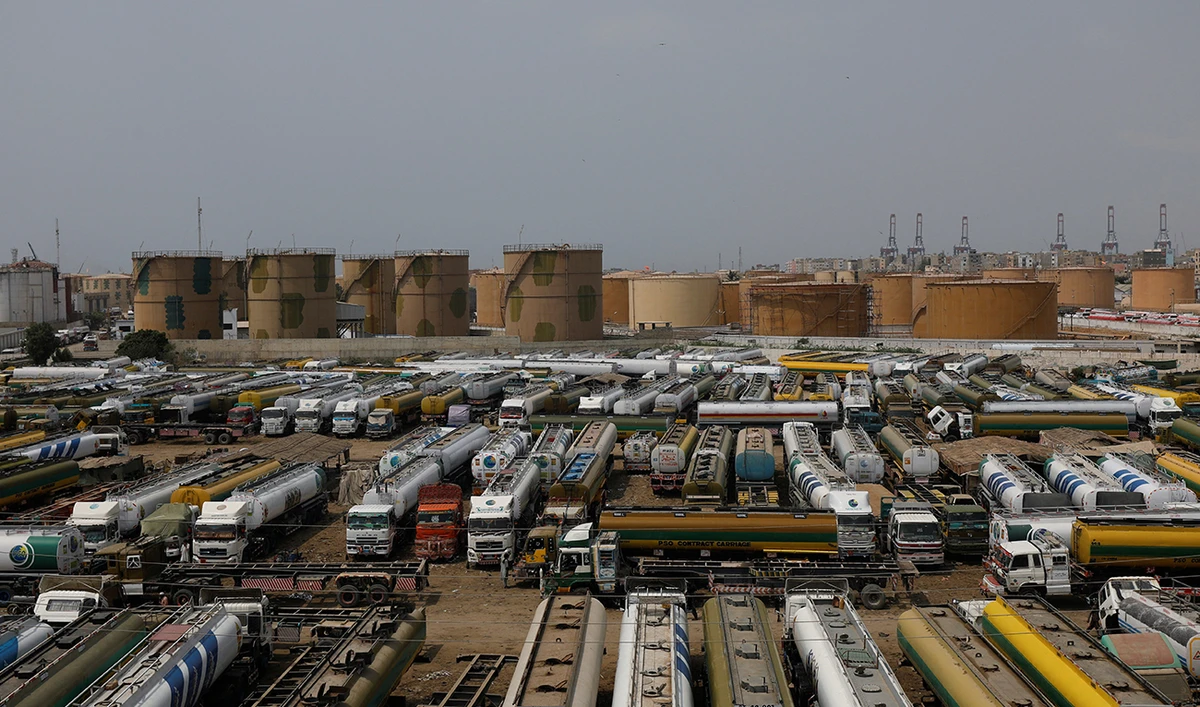
Pakistan has five oil refineries that have a combined crude processing capacity of about 350,000 barrels per stream day. However, these refineries require substantial investment to produce higher-quality fuels and reduce reliance on furnace oil.
Pakistan’s Brownfield Refining Policy offers incentives to existing refineries to modernize aging facilities, produce cleaner Euro-V fuels and reduce output of lower-value furnace oil. It was originally introduced in 2023 and amended in August 2026. The amendments were designed to make long-delayed refinery upgrades commercially viable by offering incentives tied to modernization projects.
“The ECC considered and approved the summary submitted by the Petroleum Division regarding the Draft Upgrade Agreement under the Pakistan Oil Refining Policy for Upgradation of Existing/Brownfield Refineries, 2023, as amended in August 2026,” the ECC said.
It said the agreement will provide the framework for the implementation and monitoring of refinery upgradation projects and associated incentives, with a completion period set at five years.
The move clears the way for Pakistan’s five refineries — Pak-Arab Refinery Ltd., Attock Refinery Ltd., National Refinery Ltd., Cnergyico Pakistan Ltd. and Pakistan Refinery Ltd. — to sign individual upgrade agreements and proceed with investments estimated by the government at around $6 billion.
An official document seen by Arab News last week said the upgradation agreement was finalized after consultations between the government and refinery operators.
An industry stakeholder, who wished not to be named as they were not allowed to speak to media, told Arab News that the refineries have been waiting for more than two years to go ahead with their projects under the upgradation policy that took seven years to formulate.
“This undue delay in implementation of the policy has been causing $1.5 billion per annum loss to the country on account of imports substitution,” they said.
Pakistan imported $16.9 billion worth of petroleum products, crude oil, liquefied petroleum gas and liquefied natural gas in the outgoing fiscal year that ended in June, according to the Pakistan Bureau of Statistics (PBS) data. The figure was about 24 percent of the country’s total merchandise imports of $69.8 billion during the year.
Shankar Talreja, head of research at Karachi-based Topline Securities brokerage, said the refinery upgrades would bring Pakistan’s fuel production closer to international standards.
“The energy sector shall conform to global standards of Euro V complaint fuel, a more cleaner and environmental friendly fuel,” he told Arab News.
“Furthermore, the economics of domestic refineries will also improve as currently they are surrendering a huge chunk of money in quality differential and upgradation will also ensure minimal residual fuel i.e. furnace oil production.”