- Pakistan’s central bank kept its key policy rate unchanged at 15% on Monday
- Pakistan's credit rating downgraded in face of economic meltdown exacerbated by floods
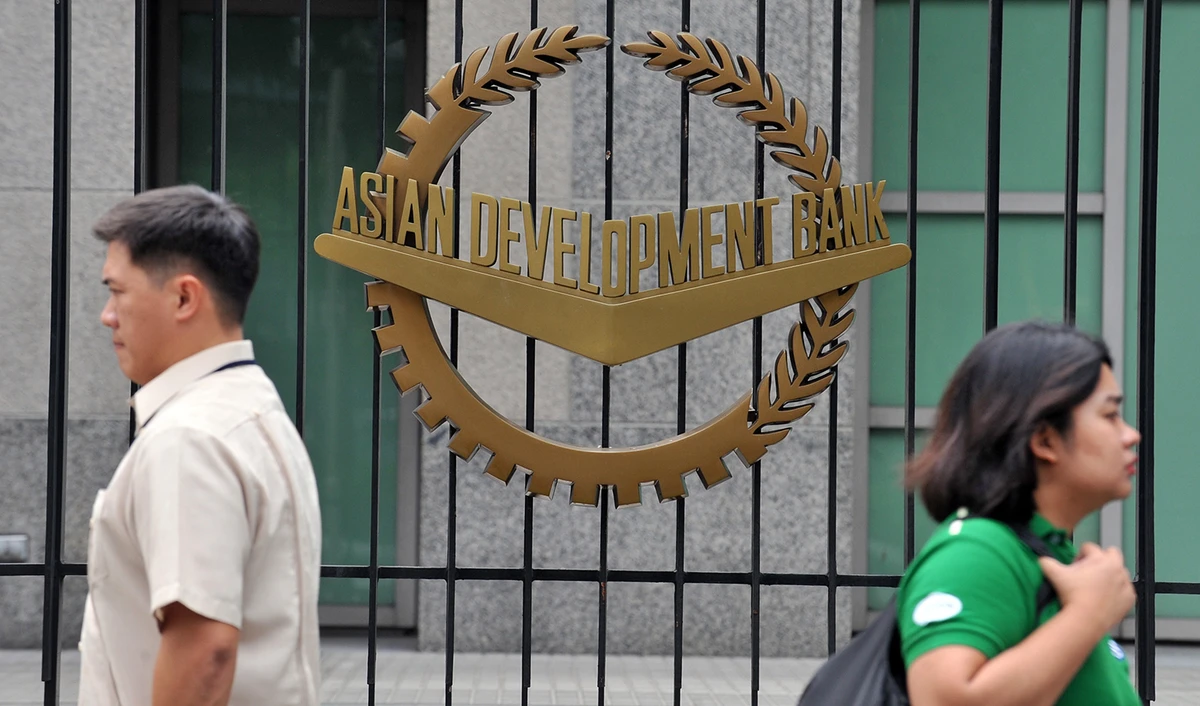
KARACHI: Pakistan is likely to receive $2 billion inflows by the end of the current month from the Asian Development Bank and other donors, the governor of Pakistan’s central bank said on Monday.
Jameel Ahmed was briefing analysts after the announcement of the monetary policy, in which Pakistan’s central bank kept its key policy rate unchanged at 15%, days after the South Asian country’s credit rating was downgraded in the face of an economic meltdown exacerbated by devastating floods.
Responding to the trend of the Pakistani rupee's recent appreciation after falling to record lows, the governor clarified that the central bank had not sold any dollars to support the rupee, but that the improvement was the result of a crackdown on speculators and action taken in the informal currency market.
Pakistan’s currency on Monday continued to gain against the United States Dollar, closing at Rs217.97, up 0.90%. The rupee has appreciated by 9.98% or Rs21.74 consecutively in the last twelve trading sessions.
The governor said decent liquidity was available in the interbank market:
“We are meeting all obligations and forex reserves are more or less maintained.”
Finance Minister Ishaq Dar also said last week there would be no request for debt restructuring and Pakistan would honour all commitments.
The statement bank governor reiterated this, saying end of September targets related to the International Monetary Fund (IMF) had been met.
In its monetary policy statement, the central bank said:
“Monetary Policy Committee (MPC) has noted the continued deceleration in economic activity as well as the decline in headline inflation and the current account deficit since the last meeting.”
“MPC also noted that the recent floods have altered the macroeconomic outlook and a fuller assessment of their impact is underway… existing monetary policy stance strikes an appropriate balance between managing inflation and maintaining growth in the wake of the floods,” the bank said in its statement.
The inflation rate in Pakistan had hit a 47-year high at 27.3% but eased by more than 4 percentage points in September to 23.2 percent, driven by a reduction in electricity prices due to an administrative intervention.
However, the central bank warned that the impact of recent floods was expected to put additional pressure on inflation in future months.
“Looking ahead, the supply-shock to food prices from the floods is expected to put additional pressure on headline inflation in the coming months. Nevertheless, headline inflation is still projected to gradually decline through the rest of the fiscal year, particularly in the second half.”
“On the one hand, inflation could be higher and more persistent due to the supply shock to food prices, and it is important to ensure that this additional impetus does not spillover into broader prices in the economy,” the central bank added.
It predicted that economic growth would slow down further in the aftermath of the devastating floods which have impacted over 33 million people, mostly in the Sindh and Baluchitan provinces, and caused an estimated $30 billion in losses to the economy.
“Based on currently available information, GDP growth could fall to around 2 percent in FY23, compared to the previous forecast of 3-4 percent before the floods. The projections are still preliminary and would become firmer after the flood damage assessment being conducted by the government is finalized.”
The central bank said the impact of floods on the current account deficit was likely to be muted, with pressures from higher food and cotton imports and lower textile exports largely offset by slower domestic demand and lower global commodity prices.
“As a result, any deterioration in the current account deficit is expected to be contained, still leaving it in the vicinity of the previously forecast 3 percent of GDP.”