- Shaukat Tarin says the country will not exit the International Monetary Fund loan program
- A senior aide of the Pakistani prime minister acknowledges the IMF has reservations over the government’s reluctance to increase power tariff
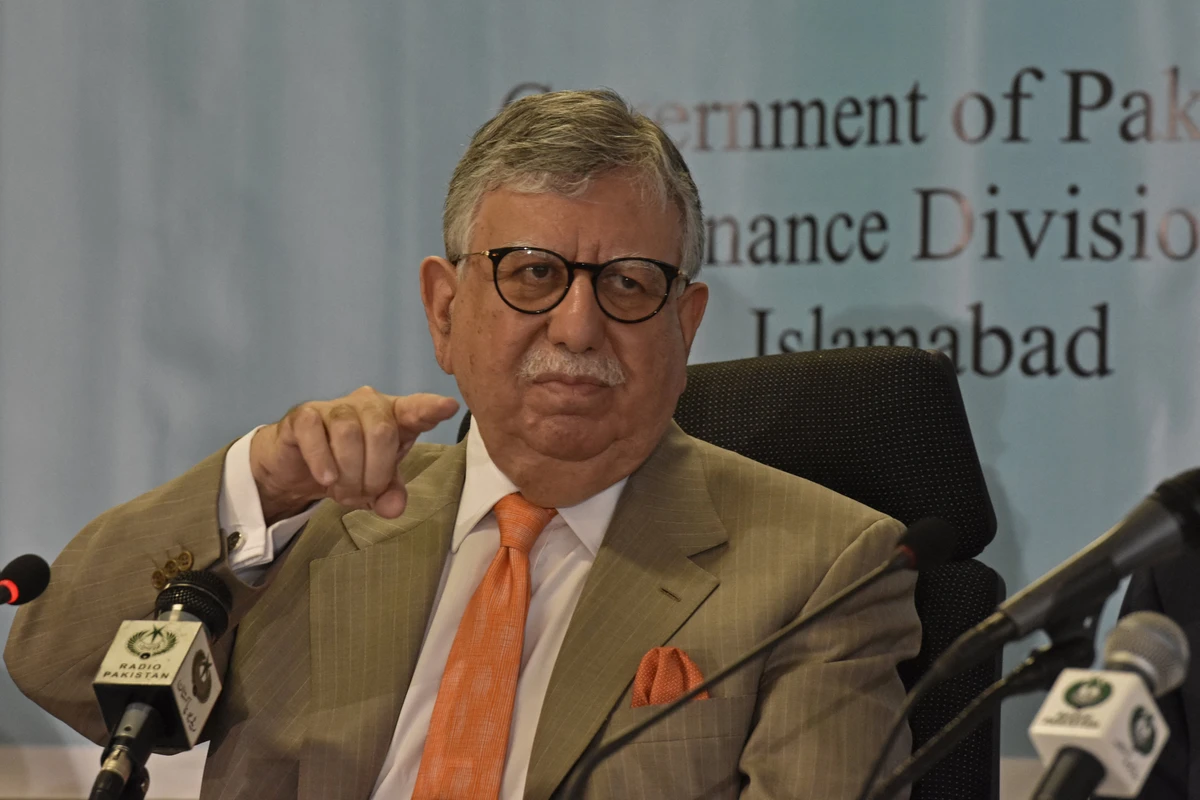
ISLAMABAD: Pakistan’s finance minister Shaukat Tarin said on Friday his country was negotiating with Saudi Arabia for the provision of deferred oil payment facility.
Tarin made the statement during an interview with Geo TV after presenting the federal budget of $53.93 billion that set a growth target of 4.8 percent.
Saudi Arabia also agreed to give Pakistan $3 billion in foreign currency support for a year in 2018 and a further loan worth up to $3 billion in deferred payments for oil imports to help stave off a current account crisis.
Pakistan, which is trying to negotiate a loan agreement with the International Monetary Fund, is interested in utilizing the petroleum sector to meet its revenue generation target.
Talking to Geo TV, the Pakistani prime minister's advisor on finance and revenue, Dr. Waqar Masood Khan said the IMF was “probably unaware” of the petroleum sector’s tax collection potential.
He acknowledged that the international financial institution had reservations over the government’s reluctance to increase electricity tariff and the proposed sources of tax collection.
“They [the IMF] want implementation of mutually agreed measures [at the outset of the Extended Fund Facility program],” he said during the interview. “We are trying to suggest, however, that we should focus on the target instead of paying attention to details like how we are planning to get there.”
The prime minister’s advisor added that the country had raised electricity rates by about 40 percent after joining the IMF program, though its administration was now arguing that such increases would not cure Pakistan’s ailing power sector and make things difficult for its people.
Khan maintained the government was suggesting viable alternative mechanisms to put the country’s economy on track, adding it had also offered a guarantee to the Fund that it would not allow the circular debt to increase and abide by the fiscal deficit target.
“It is a difficult program in which tough decisions have been made,” he said. “But there is no difference of opinion between the two sides that this program should continue.”
Khan said that Pakistan would have tried to convince the IMF about its plan ahead of the budget if it had more time.
“We are optimistic [regarding the next round of negotiations with the IMF] since we will have [financial] figures for July and August [to convince its team],” he added.
Pakistan’s finance minister also said on Friday that his country would not exit the IMF program and try to convince the international financial institution regarding its new economic and financial strategy.