- Government says it has ‘will and capability’ to eliminate militant threats wherever they are
- Statement follows Afghan spokesperson’s warning of ‘crushing response’ to Pakistani action
ISLAMABAD: Pakistan on Saturday called on Afghanistan’s Taliban government to dismantle militant sanctuaries and recruitment and training networks on its soil, warning Islamabad had the “will and capability” to eliminate such threats wherever they were after a deadly attack on a police compound in northwestern Kohat.
The statement by Pakistan’s information ministry came a day after militants attacked Kohat’s Old Police Lines during Friday prayers, killing 23 people, including 17 police officers, according to local health officials. Eight militants were killed as security forces concluded an overnight clearance operation on Saturday.
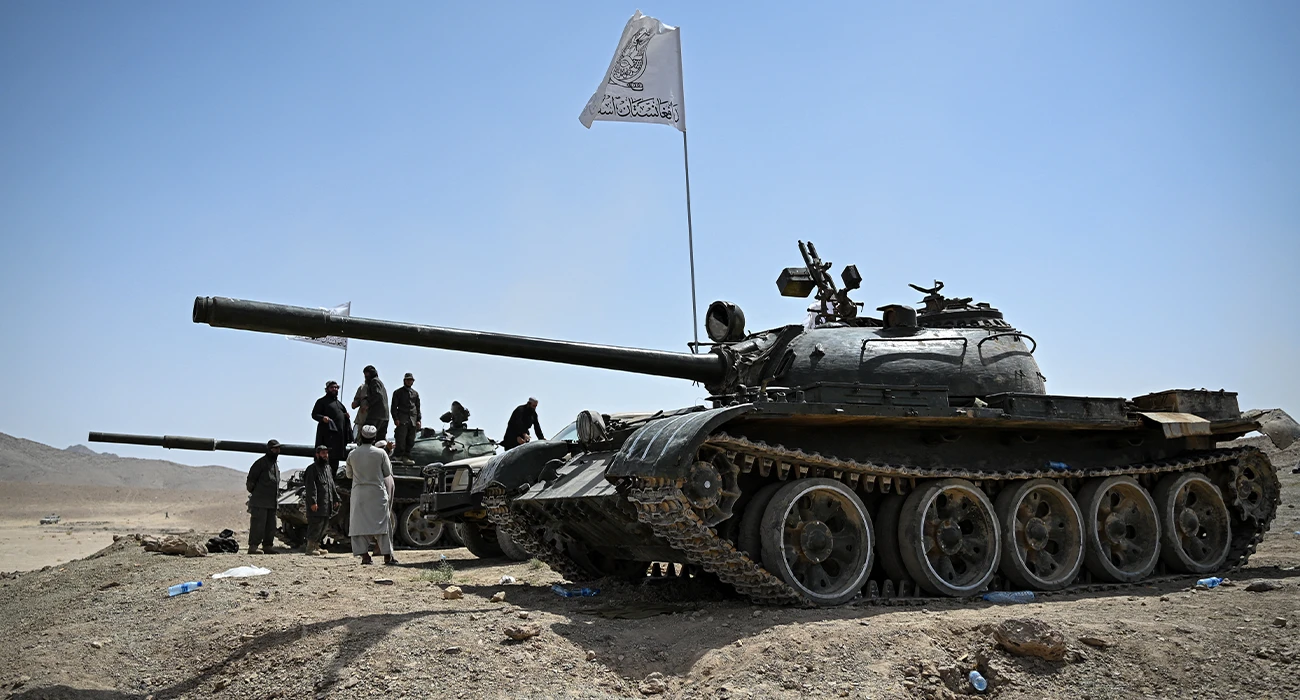
Islamabad has long accused the Afghan Taliban of sheltering fighters from the Tehreek-e-Taliban Pakistan (TTP) and other militant groups that it says use Afghan territory to plan and launch attacks inside Pakistan. Kabul denies the allegations.
“The presence of terrorist sanctuaries, alongside their recruitment and support infrastructure in Afghanistan, poses a direct threat to Pakistan’s security,” the information ministry said in a statement posted on X.
“These concerns have been conveyed repeatedly to the Afghan Taliban regime and their interlocutors. They must dismantle these networks rather than deflect responsibility.”
The ministry called on the Afghan Taliban to take “credible, verifiable and sustained measures” against militant groups and prevent them from planning, facilitating or launching attacks against Pakistan.
The statement followed a warning by Afghan Taliban spokesperson Zabihullah Mujahid, who said in an interview with Al Arabiya English published on Friday that Afghanistan would respond to any Pakistani military action inside its territory.
“If Pakistan invokes Article 51 to violate the sanctity of Afghan territory, Afghanistan has the right to defend its country, and we will do so,” Mujahid said, warning of a “crushing response” to any violation of Afghan sovereignty.
Article 51 of the UN Charter recognizes the right of member states to individual or collective self-defense in the event of an armed attack.
Mujahid rejected Pakistan’s accusations that Afghanistan was sheltering militants targeting its neighbor and called instead for dialogue and stronger intelligence-sharing mechanisms between the two countries.
Pakistan’s information ministry described Mujahid’s warning as “reprehensible” and accused the Afghan Taliban of sponsoring militancy inside Pakistan, an allegation Kabul denies.
It said Islamabad had consistently pursued dialogue and constructive engagement with Kabul but would not allow the “pretense of dialogue” to shield those threatening Pakistan.
“Pakistan has both the will and the capability to eliminate terrorist threats wherever they are and will take all necessary measures, in accordance with international law, to protect its citizens, territory and sovereignty,” the ministry said.
It also said the Taliban government could not evade its counterterrorism obligations under the 2020 Doha Agreement, under which the Taliban committed not to allow Afghan soil to be used by groups or individuals threatening the security of other countries.
The latest exchange followed Friday’s attack on the police complex in Kohat in Pakistan’s northwestern Khyber Pakhtunkhwa province, which borders Afghanistan.
An explosion was heard near a mosque at the Old Police Lines compound during Friday prayers before militants entered the complex, which houses police and counterterrorism offices. Security forces battled the attackers into Saturday before announcing the end of the clearance operation.
A local militant group, Ittehad-ul-Mujahideen Pakistan, claimed responsibility for the attack. The TTP separately denied involvement in the assault.
Afghanistan’s foreign ministry condemned the Kohat attack on Saturday, describing attacks on places of worship as unjustifiable and expressing sympathy with the victims’ families.
Pakistan’s information ministry acknowledged the condemnation but noted that the Afghan statement did not refer to “terrorism.”
“Notwithstanding, condemnation must be matched by concrete action,” it said.
Militant violence has risen sharply in Khyber Pakhtunkhwa in recent years, particularly since the TTP ended a fragile ceasefire with Islamabad in November 2022. The deteriorating security situation has become a major source of friction between Pakistan and Afghanistan, with Islamabad repeatedly demanding action against militants it says operate from sanctuaries across the border.
Pakistan and Afghanistan have also experienced direct military confrontation in recent months amid worsening relations over the militant issue, while diplomatic efforts involving regional countries have sought to ease tensions and address Islamabad’s security concerns.