- Dar raises impact of disrupted energy flows, maritime routes on developing economies with Araghchi
- Pakistan continues with mediation as rising fuel costs deepen economic fallout from US-Iran conflict
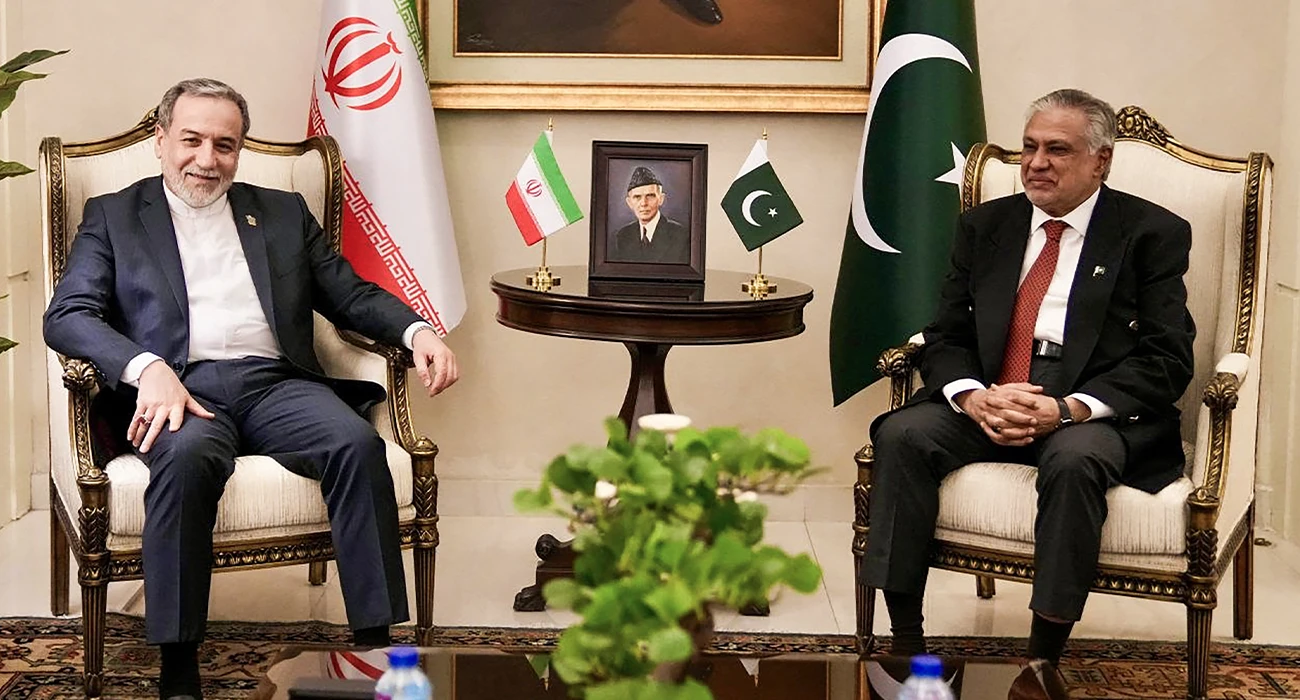
ISLAMABAD: Pakistan’s Deputy Prime Minister and Foreign Minister Ishaq Dar urged his Iranian counterpart on Saturday to ensure uninterrupted energy supplies and the safe passage of ships as escalating Middle East tensions disrupt key maritime routes and drive up fuel and gas costs for energy-importing nations such as Pakistan.
The appeal comes as traffic through the Strait of Hormuz, once used to transport about a fifth of global energy supplies, remains sharply reduced, while escalating fighting involving Iran-backed Houthis has also raised concerns over shipping through the Bab Al-Mandab Strait at the entrance to the Red Sea.
“DPM/FM stressed the importance of uninterrupted energy supplies and the safe and expeditious passage of ships, particularly given their implications for developing countries and global supply chains,” Pakistan’s foreign office said in a post on X after Dar spoke with Iranian Foreign Minister Abbas Araghchi.
Dar reiterated that dialogue and diplomacy were the “only viable means” to ensure regional peace and stability, according to the statement. The two officials agreed to remain in close contact and meet in New York on the sidelines of the 81st UN General Assembly.
Pakistan, which imports most of its energy requirements, has been particularly exposed to disruptions in the Gulf since the US-Iran war began in February.
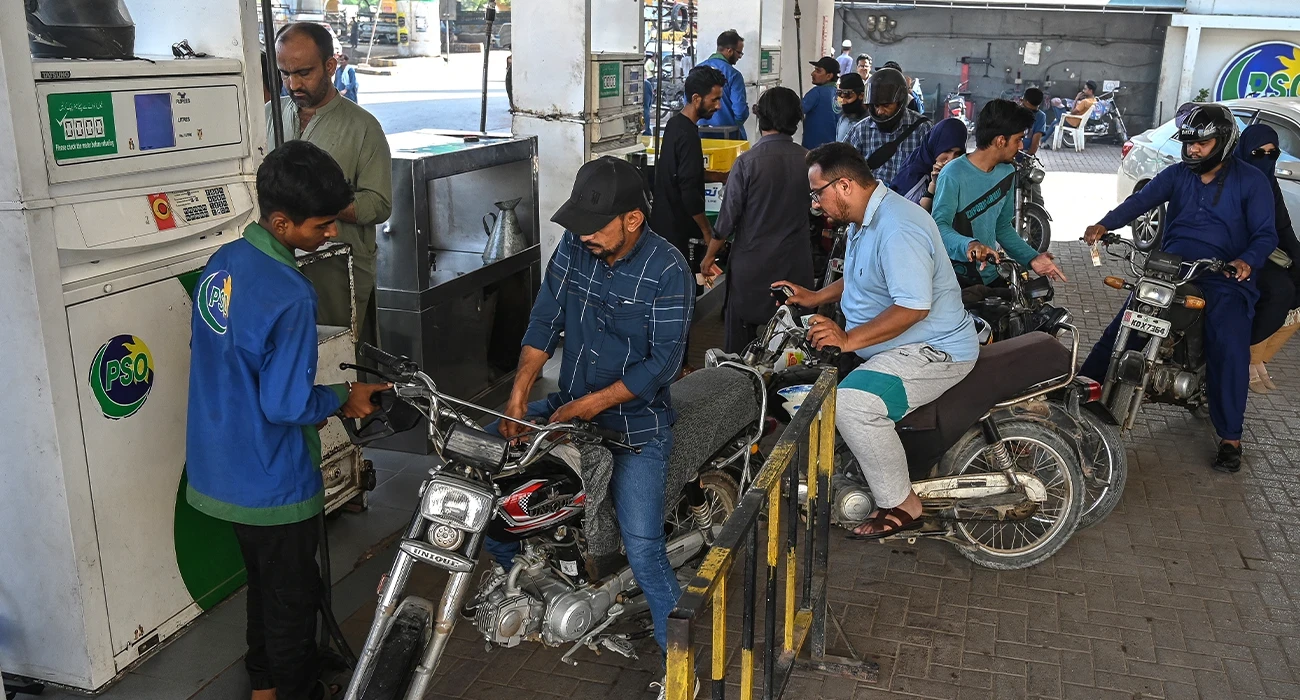
The pressure has increasingly spilled into Pakistan’s domestic economy, forcing the government to repeatedly raise petroleum prices and introduce measures aimed at cushioning consumers from the impact.
The government on Friday cut petrol and high-speed diesel prices to Rs389.14 ($1.40) and Rs424.04 ($1.53) per liter, respectively, though they remain sharply elevated amid continued volatility in global energy markets.
Earlier this month, the government approved Rs75 billion ($271 million) for a targeted fuel relief scheme offering subsidies to users of two- and three-wheelers and cars with engines of up to 800cc, saying the measure was intended to protect lower-income consumers from rising petroleum prices.
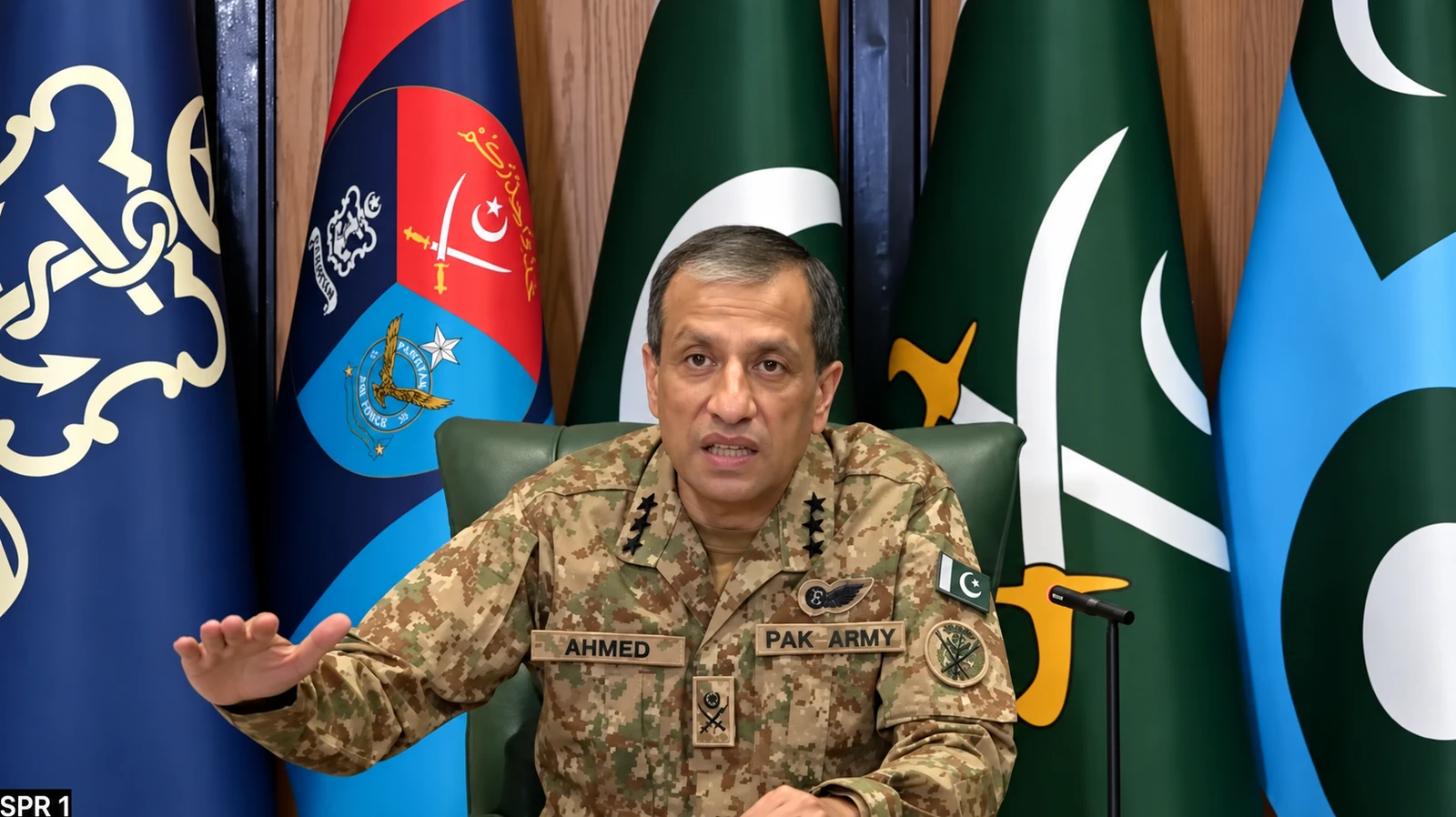
Islamabad has also imposed austerity measures to conserve fuel, including a 50 percent cut in allocations for official vehicles for three months and restrictions on government spending, as it seeks to contain the economic fallout from the regional conflict.
Dar’s conversation with Araghchi comes as Pakistan has positioned itself as a diplomatic intermediary in the US-Iran conflict, maintaining contacts with Tehran as well as Washington and Gulf capitals and repeatedly calling for de-escalation.
Pakistan mediated talks that led to the signing in June of a memorandum of understanding between the US and Iran aimed at ending the conflict. Hostilities, however, resumed within days, while Islamabad’s peacemaking efforts were further complicated later by an escalation in fighting involving the Houthis in and around Saudi Arabia and the Red Sea.
Pakistan has condemned attacks on Saudi territory while continuing to advocate diplomacy with Tehran.
The foreign office in Islamabad also said this week it was concerned about the escalation and its impact on “regional peace, security, maritime navigation and global energy supplies,” while calling dialogue and diplomacy the only sustainable way to prevent the conflict from widening.