- Sales of vehicles below 1,000cc surge 118 percent in October, led by Suzuki Alto
- Analysts differ on reasons for shift as larger-engine models record declining sales
KARACHI: Sales of smaller-engine cars in Pakistan more than doubled in October, with analysts pointing to growing demand for fuel-efficient vehicles as high fuel costs following the outbreak of the Iran war reshape consumer preferences.
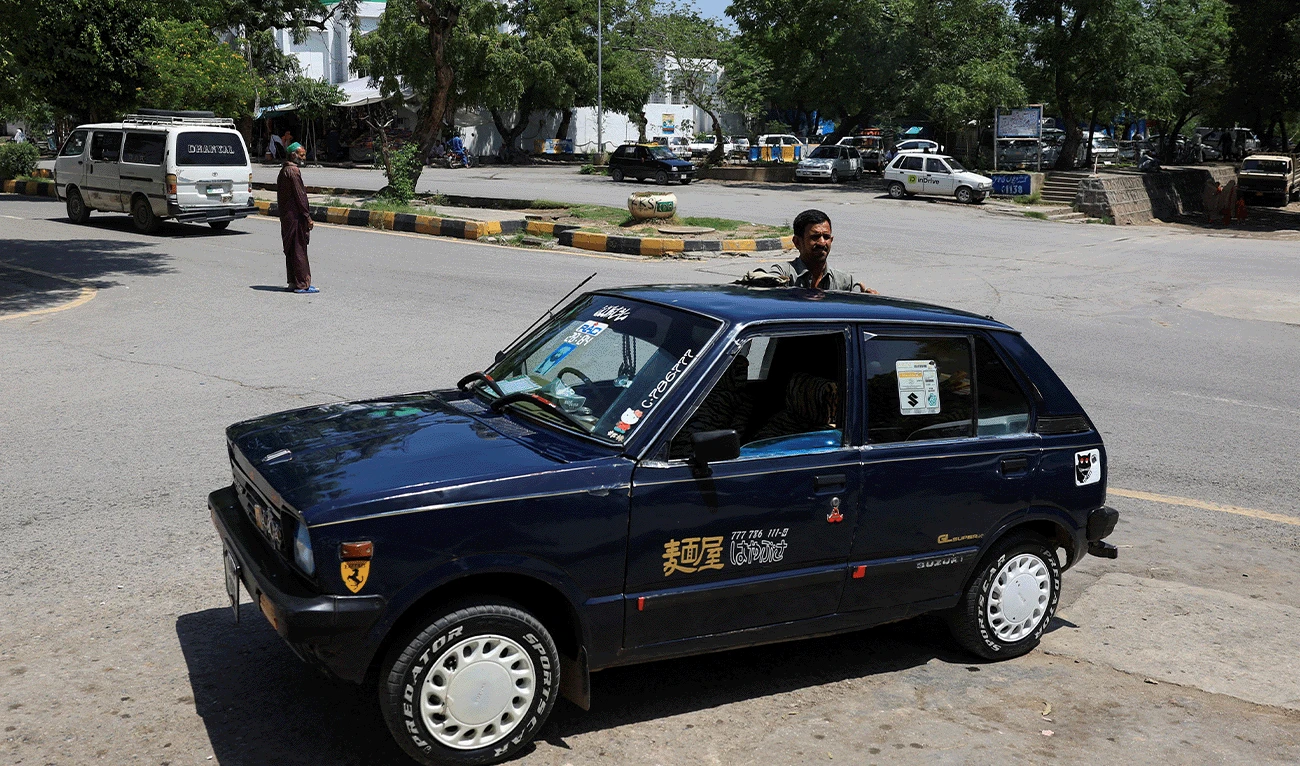
Sales of vehicles with engine capacities below 1,000cc surged 118 percent to 11,885 units from 5,447 a year earlier, according to Pakistan Automotive Manufacturers Association (PAMA) data. The increase was driven largely by Suzuki Alto sales, which jumped 130 percent to a record 11,363 units, while sales of the Suzuki Every, a 660cc microvan, rose 1.2 percent to 522 units.
According to the Oil and Gas Regulatory Authority (OGRA), petrol prices surged 72 percent to a record Rs458.41 ($1.66) per liter on April 3 from Rs266.17 ($0.96) before the conflict, while high-speed diesel jumped 85 percent to Rs520.35 ($1.88) from Rs280.86 ($1.02). Both have since declined, with petrol falling to Rs330 ($1.20) per liter and diesel to Rs360 ($1.30), according to OGRA’s Nov. 13 notification.
The fuel-price surge followed the outbreak of the US-Israel war on Iran on Feb. 28, which disrupted energy markets and increased transport costs in Pakistan and other countries.
“The Alto and Swift both posted record monthly sales of 11,363 and 3,214 units, respectively,” Muhammad Waqas Ghani, head of research at JS Global Capital Ltd., told Arab News.
Sales of the Suzuki Swift, which belongs to a larger engine-capacity segment, rose 175 percent in October, while sales of the 1,000cc Suzuki Cultus increased 46 percent to 753 units.
By contrast, several larger-engine models recorded declines. Combined sales of the Honda Civic and City fell 14 percent to 1,933 units, while Toyota Corolla, Yaris and Corolla Cross sales declined 7 percent to 3,496 units, according to PAMA data. Hyundai Sonata sales dropped 62 percent to 17 units.
Ghani said demand for smaller vehicles had remained strong despite higher borrowing costs.
“This is happening despite higher interest rates, which suggests cash buyers, first-time car owners upgrading from motorcycles and families downgrading from a 1300cc-plus car,” he said.
The State Bank of Pakistan raised its benchmark interest rate by 50 basis points to 12 percent in October, citing inflationary pressures stemming from intensifying hostilities in the Middle East. Higher interest rates typically make vehicle financing more expensive, potentially discouraging purchases through bank loans.
However, industry representatives and other analysts cautioned against attributing the changing sales pattern solely to rising fuel costs.
“I don’t think price of petrol is a contributing factor in the increase in sales of lower segment cars this month,” PAMA Director General Razi-ur-Rahman told Arab News, without elaborating.
An industry source familiar with the matter said uncertainty over proposed changes to vehicle taxes was also influencing purchasing decisions, particularly in the larger-engine segment.
The source, who requested anonymity, said expectations of a possible reduction in sales tax on larger-engine cars from 25 percent to 18 percent had prompted some prospective buyers to delay purchases.
The market was also anticipating higher vehicle prices following a proposal to impose a 10 percent additional development levy on internal combustion engine vehicles, which run on petrol or diesel, the source said.
Minhal Ali, an investment analyst at Insight Securities Ltd., said owners of larger vehicles might be more inclined to switch to new-energy vehicles, including electric and hybrid models, than to smaller conventional cars.
“I will not sell Corolla and buy Alto. I will buy some NEV car in which I have many options easily available for Rs6-7 million,” he said, referring to a price range of approximately $21,700-$25,300.
PAMA data showed an 80 percent month-on-month increase in sales of the electric Dewan Honri-V to 36 units, although the small volume offered limited evidence of a broader shift toward such vehicles.
Ghani warned that further escalation of the Iran conflict could weaken Pakistan’s automobile market by putting pressure on the rupee, increasing the cost of imported vehicle assembly kits and potentially triggering further price increases and tighter monetary policy.
“Small cars would gain share of a shrinking market,” he said.
Spokesperson for the Ministry of Industries and Production Shahzad Ali and Engineering Development Board CEO Hamad Ali Mansoor did not respond to requests for comment.