- Jam Kamal Khan to address the event, hold meetings with officials, investors and business groups
- Pakistan seeks greater trade, private investment as China-backed CPEC enters expanded second phase
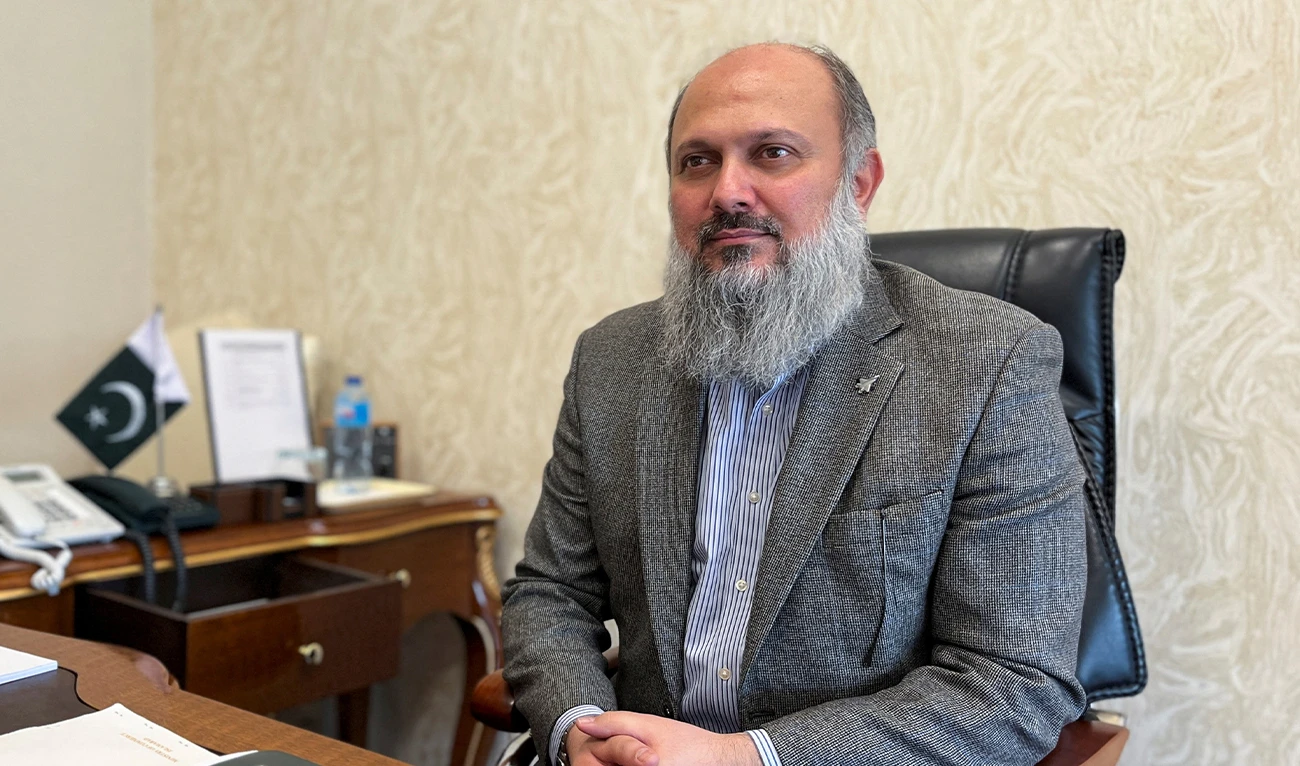
KARACHI: Pakistan’s Commerce Minister Jam Kamal Khan will attend a major Belt and Road summit in Hong Kong this week, the commerce ministry said on Tuesday, as Islamabad seeks to attract foreign investment and expand trade under China’s flagship global infrastructure and economic initiative.
Khan will visit Hong Kong from Sept. 8-11 and represent Pakistan at the 11th Belt and Road Summit, where policymakers, investors and business leaders will discuss opportunities in trade, investment and development, with this year’s gathering focusing particularly on cooperation with ASEAN, Central Asia and the Middle East.
“The minister will deliver a special address, participate in key summit sessions and hold high-level meetings with senior leaders and officials from Hong Kong and various other countries,” the commerce ministry said in a statement.
It said Khan would also meet business organizations, investors and members of the Pakistani community to promote trade, attract investment and strengthen Pakistan’s economic relations with international partners.
The two-day summit, which begins on Wednesday, will bring together nearly 100 policymakers and business leaders, with discussions spanning infrastructure, finance, innovation and technology, trade, cross-border investment and sustainable development.
The annual gathering has increasingly served as a platform for investment matchmaking and deal-making between governments and businesses from countries participating in China’s Belt and Road Initiative.
Pakistan has been one of the largest recipients of Chinese infrastructure investment under the Belt and Road Initiative through the China-Pakistan Economic Corridor (CPEC), launched more than a decade ago with projects ranging from power generation, roads, ports and other infrastructure.
Islamabad and Beijing are now seeking to expand cooperation under what Pakistan calls CPEC 2.0, with a greater focus on industrialization, technology, agriculture, green development and private-sector investment after the first phase concentrated heavily on energy and transport infrastructure.