- Gas to be supplied to households only for eight hours a day, Sui Southern says
- Pakistan is facing gas shortages amid skyrocketing prices of LNG in global market
ISLAMABAD: The Sui Southern Gas Company (SSGC), Pakistan's leading integrated gas firm, has announced long hours of gas outages amid dwindling local gas reserves and an inability by the South Asian nation to procure LNG from the international market.
The cash-strapped nation has been hit with widespread gas blackouts, or load-shedding, this year after several failed attempts to buy gas from the expensive spot market. Pakistan also tried to get a long-term deal looking for more reasonable prices, but that hasn’t materialized, according to Bloomberg and other media.
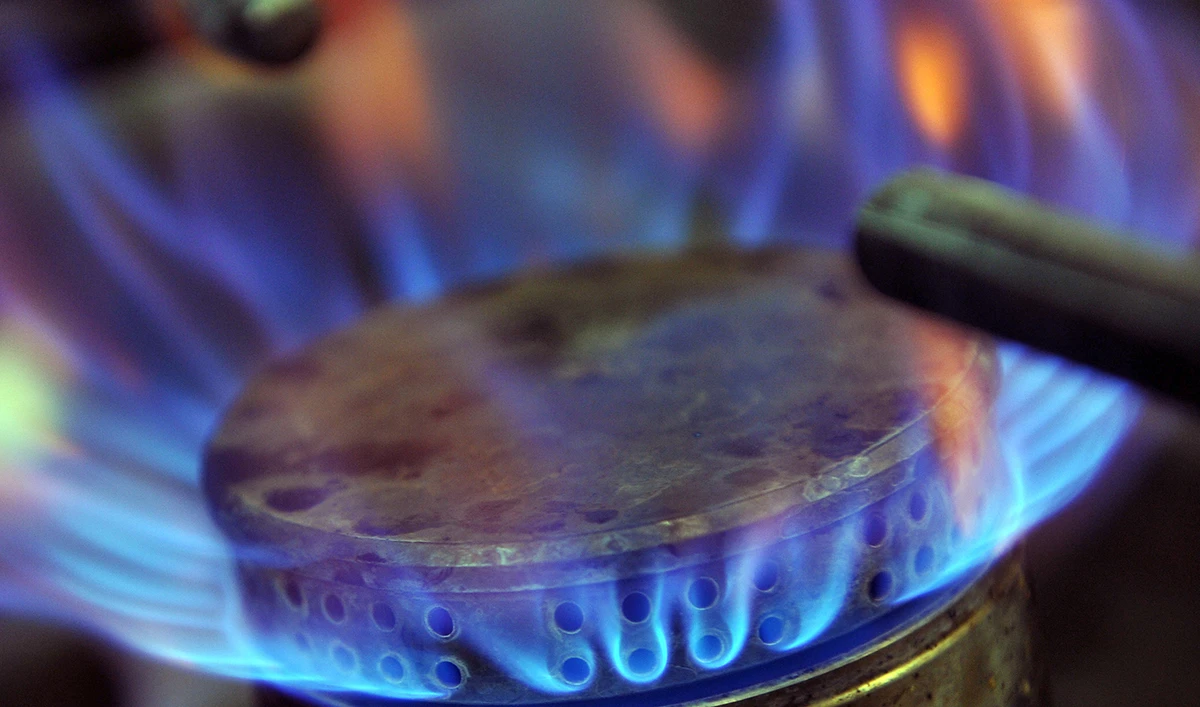
In a notice released on Dec. 11, SSGC said gas would be supplied to households from 6 am to 9 am, 12 pm to 2 pm, and 6pm to 9 pm. The company is engaged in the business of transmission and distribution of natural gas in southern part of Pakistan, mainly in Sindh and Baluchistan.
“Adhering to the directives of the honorable prime minister of Pakistan, SSGC shall facilitate its esteemed domestic customers who are placed on top priority by the Government of Pakistan by ensuring the availability of gas supplies during meal timings, thrice a day, as per the above-mentioned schedule,” the gas company announced.
Gas shortages always intensify in Pakistan with the arrival of winter. Pakistan needs 4.1 billion cubic feet per day (bcfd) of gas, with winter demand peaking at around 4.5 bcfd against local production of 3.22 bcfd. The shortfall is bridged through LNG imports.
Pakistan began importing LNG seven years ago. However, the price of the commodity on the international spot or short-term, market has risen from lows of $2 per million British thermal units (mmBtu) in 2020 to highs of $57 in August this year after demand in Europe surged, pushing Islamabad out of the market.
Oil and energy make up the largest portion of Pakistan's import bill.
The latest blow comes at a difficult time for Pakistan, which is already struggling with high inflation and falling currency reserves. Some LNG suppliers are hesitant to sell fuel to the nation out of fear it may not be able to make future payments, according to traders.