- A Russian delegation says the two countries are finding solutions to problems impeding energy sector cooperation
- The businesspeople belonging to the two countries are exploring joint venture opportunities for closer collaboration
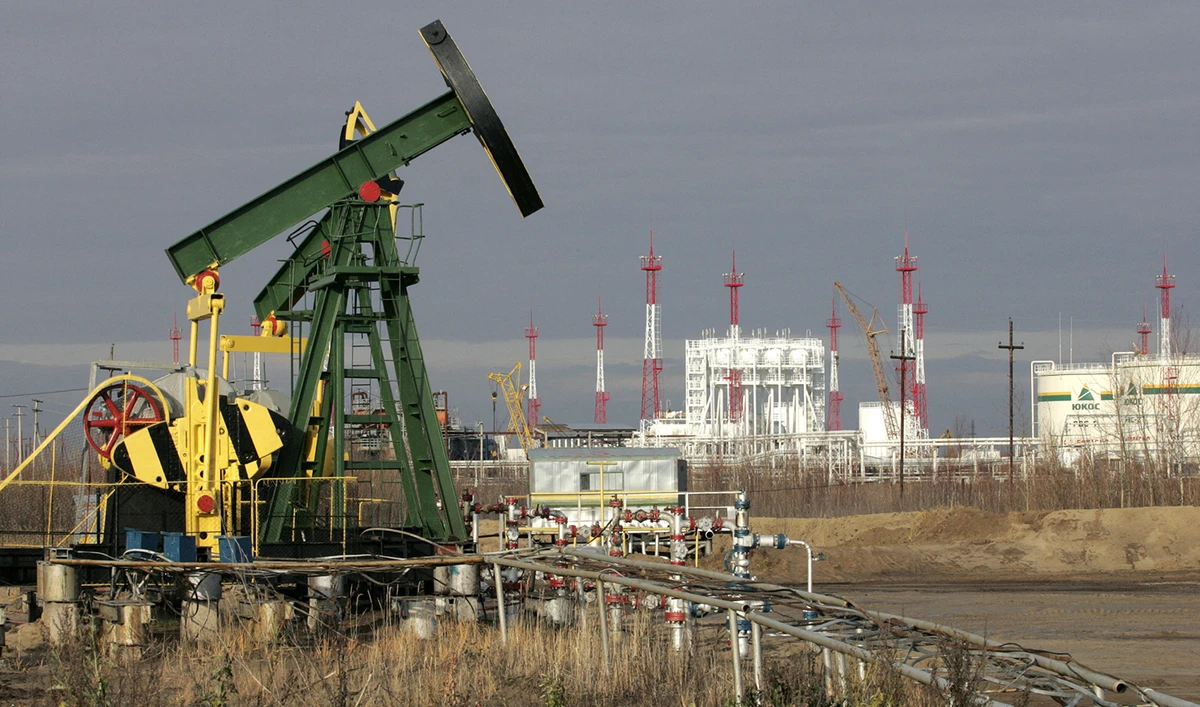
ISLAMABAD: Pakistan and Russia on Thursday agreed to continue their cooperation in the oil, energy and gas sectors, said the economic affairs ministry in Islamabad, after the two sides concluded technical consultations during an inter-governmental commission (IGC) meeting.
An 80-member Russian delegation, led by energy minister Nikolay Shulginov, arrived in Pakistan’s federal capital on Wednesday to discuss a range of issues, including an oil and gas deal on discounted rates, under the IGC framework.
Pakistan’s energy procurements from international markets constitute the largest portion of its import bill, putting immense pressure on its rapidly depleting forex reserves that plummeted to $4.3 billion earlier this month.
Pakistani officials also discussed a long-delayed gas pipeline which is built in collaboration with Russian companies. The two sides agreed in 2015 to build a 1,100-kilometer pipeline to deliver imported liquefied natural gas (LNG) from Karachi on the Arabian Sea coast to power plants in the northeastern province of Punjab.
“It has been agreed to establish working groups to promote cooperation in various sectors, including energy, oil, and gas,” said a statement issued by the Economic Affairs Division of Pakistan.
It added that the energy sector remained a priority during the negotiations, though the discussions also related to enhancing cooperation in trade, investment, industry, education, science and technology sectors.
The statement informed the main protocol of the inter-governmental commission would be discussed and signed in a plenary session on Friday.
Stanislav Korolev, chairman of the commission on foreign economic relations with partners in Pakistan at the Moscow Chambers of Commerce and Industry, said both sides expressed a desire to move forward with respect to the import of oil and gas from Russia.
“It was discussed in Russia recently and is also under consideration in the Islamabad talks,” he told reporters on the sidelines of the meeting.
“There have been a few issues related to energy sector cooperation, but the two countries came very close in the last two days of deliberations to finding solutions to them,” he continued. “Hopefully, this will lead to a positive outcome.”
The Russian delegation also worked on enhancing cooperation in many fields, as business-to-business meetings took place on Thursday where different joint venture opportunities were discussed, Korolev added.
Last month, after his trip to Moscow, Pakistan’s state minister for petroleum Musadik Malik said Russia would sell crude oil, petrol and diesel to his country on discounted rates without specifying the exact prices.
He did not clarify if these energy imports would comply with a $60 per barrel cap imposed by the G7 nations and the European Union on Russian seaborne oil over Moscow’s decision to invade Ukraine.
Russia has said it would not sell to countries complying with the cap.
Pakistan has already been facing problems with the LNG procurement from the international market due to spot prices that largely remain out of its reach since the invasion of Ukraine.
Local news outlets have also reported oil supplies remain tenuous for the country due to problems in clearing import payments.