- Sanaullah says formula needed so most senior military officer automatically becomes army chief
- New chief's selection marred by controversy amid speculation Bajwa might seek extension
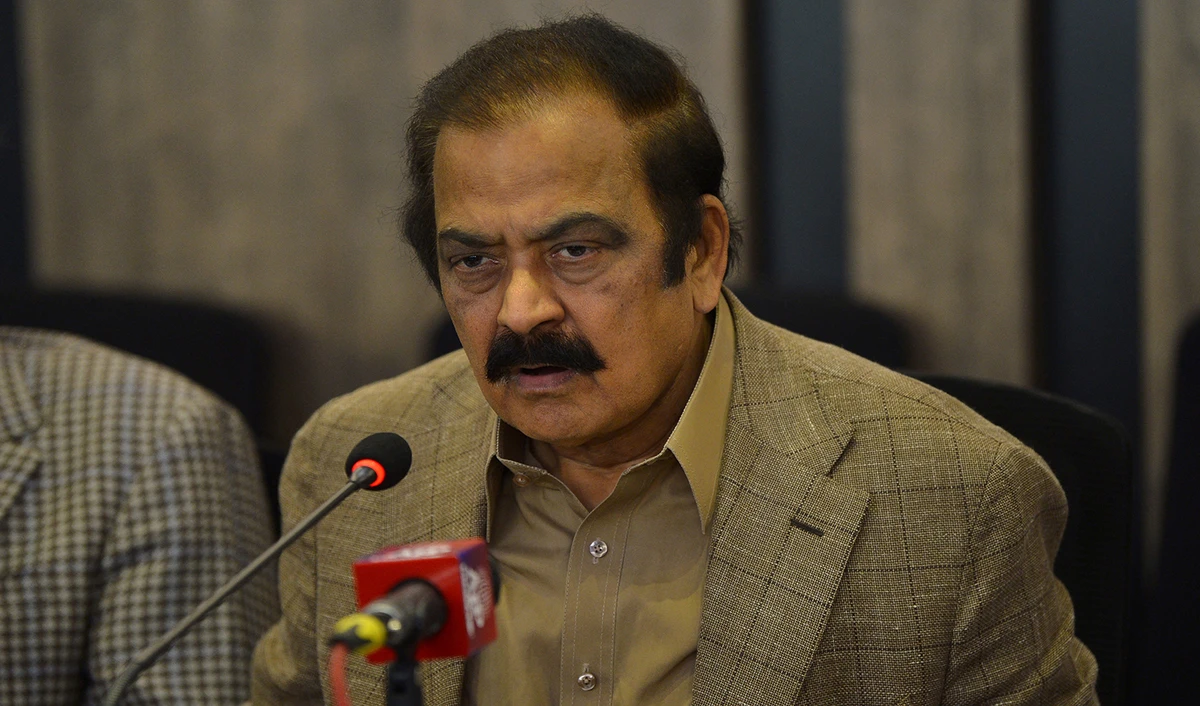
ISLAMABAD: Interior Minister Rana Sanaullah said on Monday legislation introduced during the previous government of ex-premier Imran Khan allowing for the tenure of the army chief to be extended should be revoked.
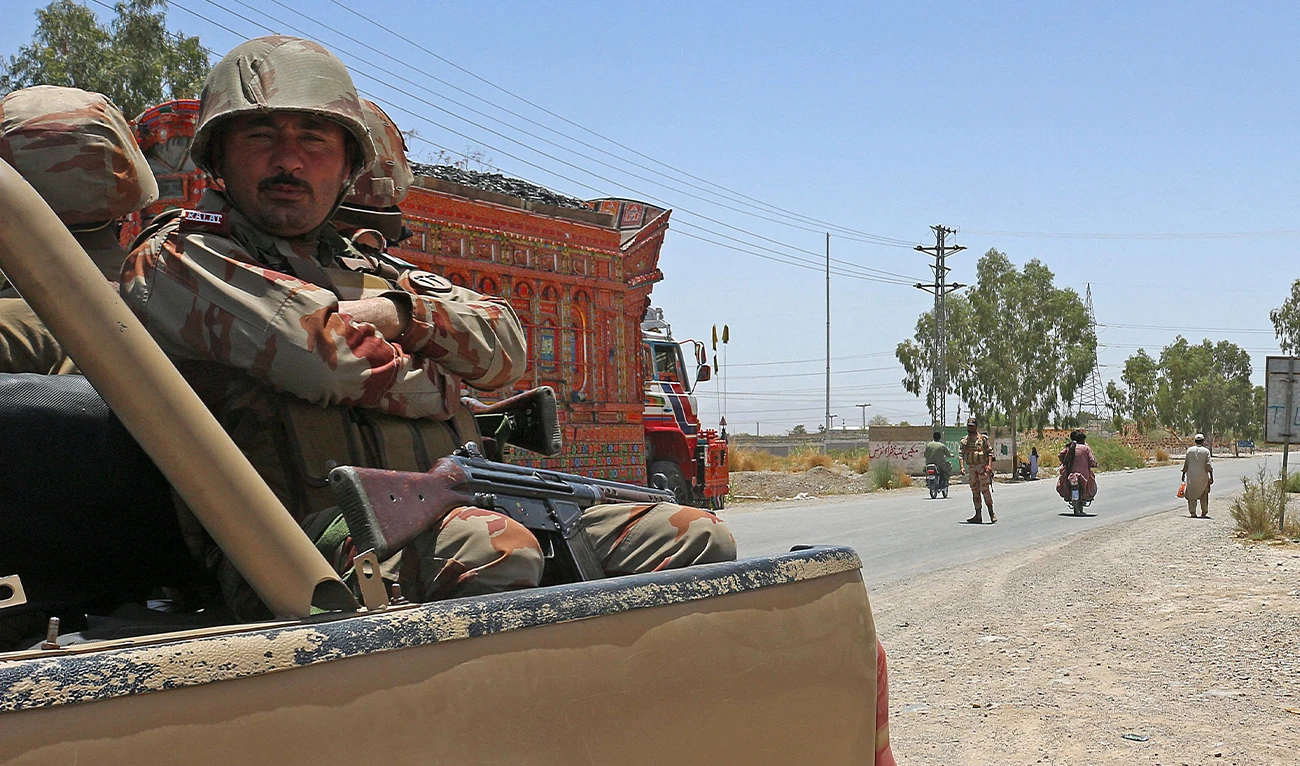
In 2019, the Khan government cited a worsening national security situation with old rival India as justification for the extension for General Qamar Javed Bajwa at the end of the usual three-year term. But in a surprise ruling, the Supreme Court struck down the extension, ordering the government and army to produce legal provisions and arguments for the reappointment.
Pakistan’s parliament in January 2020 approved legislation to extend the term of the army chief for another three years despite the objections of some parties, in a move that ended a political stand-off that had threatened to pit the judiciary against the powerful military.
“The legislation will keep disturbing every army chief in the future as well,” Sanaullah said in an interview to a private TV channel.
Referring to the procedure for the appointment of the chief justice of Pakistan, where the senior most judge is automatically appointed as the top justice, the interior minister said a similar “formula” was needed for the selection of the army chief.
When asked if a decision had been made on the appointment of a new army chief after Bajwa retired on November 29, Sanaullah said:
“The prime minister has discretion regarding the army chief's appointment.”
He added that the prime minister would consult “all stakeholders” and announce the name of the new army chief in the “next few days”
The selection of the new army chief has been marred by controversy in recent months, with widespread speculation that Bajwa might take a second extension, though the military has repeatedly said the army chief would retire on time.
The debate was ignited again last week with PM Sharif’s arrival in London for what media widely reported were discussions with three time former premier Nawaz Sharif, founder of the ruling Pakistan Muslim League-Nawaz, on the new appointment.
Nawaz, who lives in self-exile in London, faces a slew of corruption cases back home. Opposition leaders have criticized the government and said Nawaz, who does not hold any public office and is wanted by the law, should not be part of discussions to pick the army chief.
Nawaz says the cases against him are politically motivated.
The appointment of the new army chief has also been in the spotlight as ex-premier Khan, ousted in a parliamentary vote of no-confidence this April, insists the unelected government of PM Sharif, cobbled together through a parliamentary vote after his removal, does not have the right to appoint a new chief.
He has said the crucial selection should be made by the elected government after new polls are held.