- The development comes amid the Middle East conflict that has seen Israel attack Iran-aligned Hezbollah in Lebanon
- Islamabad says the visit will include significant discussions on bilateral relations and promotion of mutual cooperation
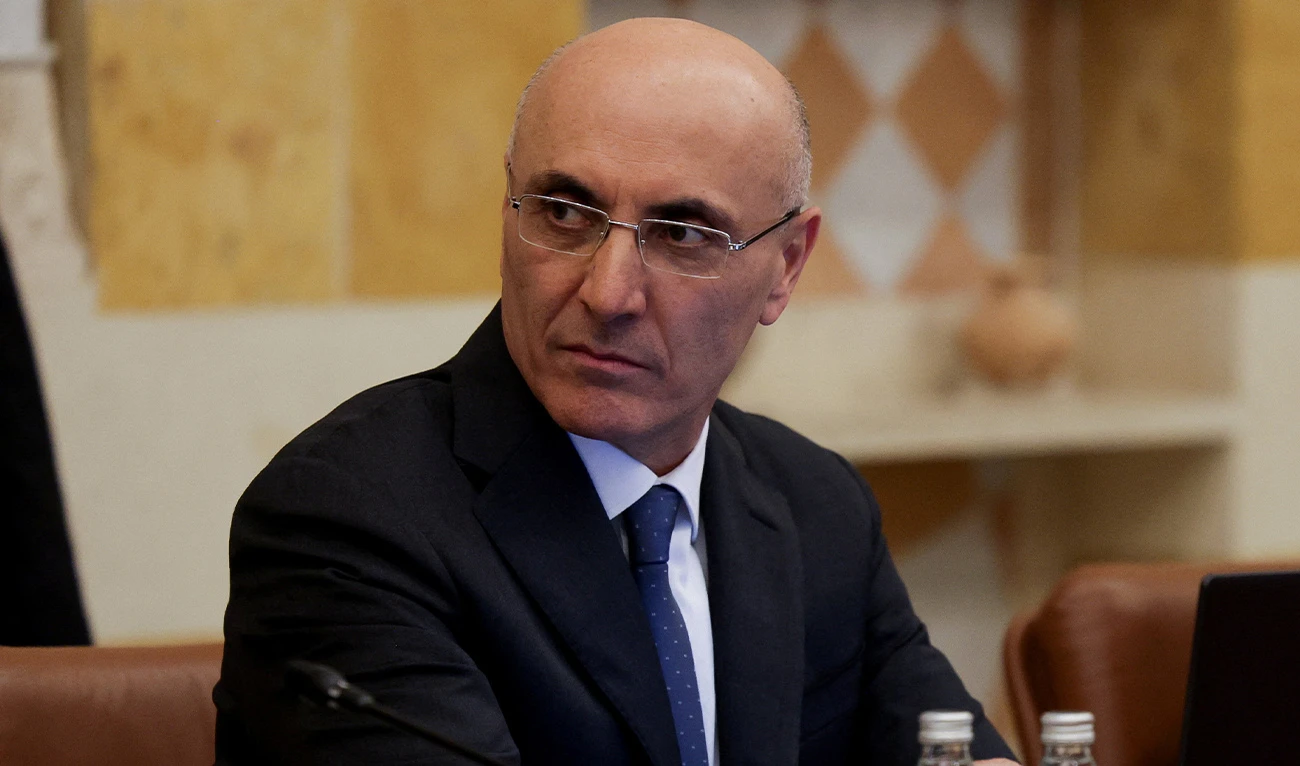
ISLAMABAD: Lebanese Interior Minister Ahmad Al-Hajjar on Monday arrived in Islamabad on a two-day official visit to Pakistan, the Pakistani interior ministry said, adding that he would hold “key meetings” with the Pakistani leadership during the visit.
The development comes amid the months-long United States-Iran conflict in the Middle East, which has seen Israel attack Iran-aligned Hezbollah in Lebanon that Lebanon’s health ministry says has killed more than 4,300 people since March.
Pakistan, which has emerged as a key mediator in the Middle East crisis, has led a diplomatic push to end the crisis and managed to broker an interim peace deal, which it said included Iran, in June that was quickly unraveled.
Pakistan’s Minister of State for Interior Talal Chaudhry welcomed the Lebanese interior minister upon arrival at Islamabad airport.
“The Lebanese Interior Minister will hold key meetings with the Pakistani leadership during his visit,” the Pakistani interior ministry said in a statement.
“Significant discussions will be held regarding bilateral relations and the promotion of mutual cooperation.”
The development comes ahead of scheduled talks between Israel and Lebanon in Rome in October to discuss a US-brokered security agreement intended to ease hostilities along the border, a State Department official told Reuters.
The continued implementation of the deal “remains the only viable mechanism to restore Lebanon’s sovereignty and Israel’s security,” the official said, adding that the Lebanese and Israeli ambassadors will meet in Washington next week.
The seventh round of negotiations in the Italian capital ended in August without a breakthrough on key territorial issues.
Hezbollah and Israel returned to war on March 2 amid the wider regional conflict.
Israel’s military is occupying what it describes as a “buffer zone” about 10 km (6 miles) into Lebanon along the entire length of the Israeli border. Israeli officials say the zone is necessary to protect northern Israeli communities from attacks launched by Hezbollah.