- Princess Sarah Zeid arrived in Pakistan on Aug. 21 for a week-long visit, her second as WFP adviser
- She is assessing efforts for women’s and child nutrition undertaken during the past three years
ISLAMABAD: Jordanian Princess Sarah Zeid has called on Pakistani authorities to ramp up nutrition interventions for women and children in the wake of deadly floods ravaging the country.
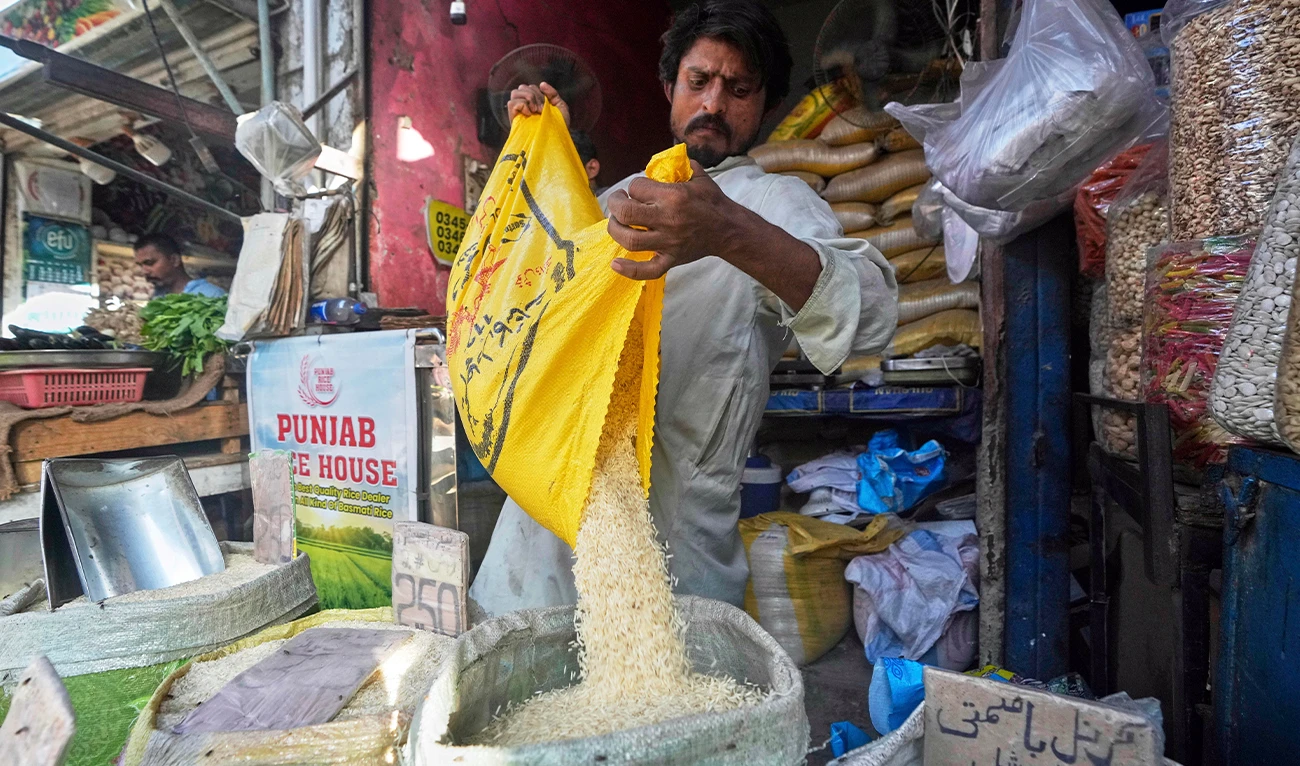
About 37 percent of Pakistan’s 220 million population faces food insecurity, according to World Food Program data. Eighteen percent of Pakistani children under the age of five suffer from acute malnutrition, around 40 percent in the same age group are stunted and 29 percent are underweight.
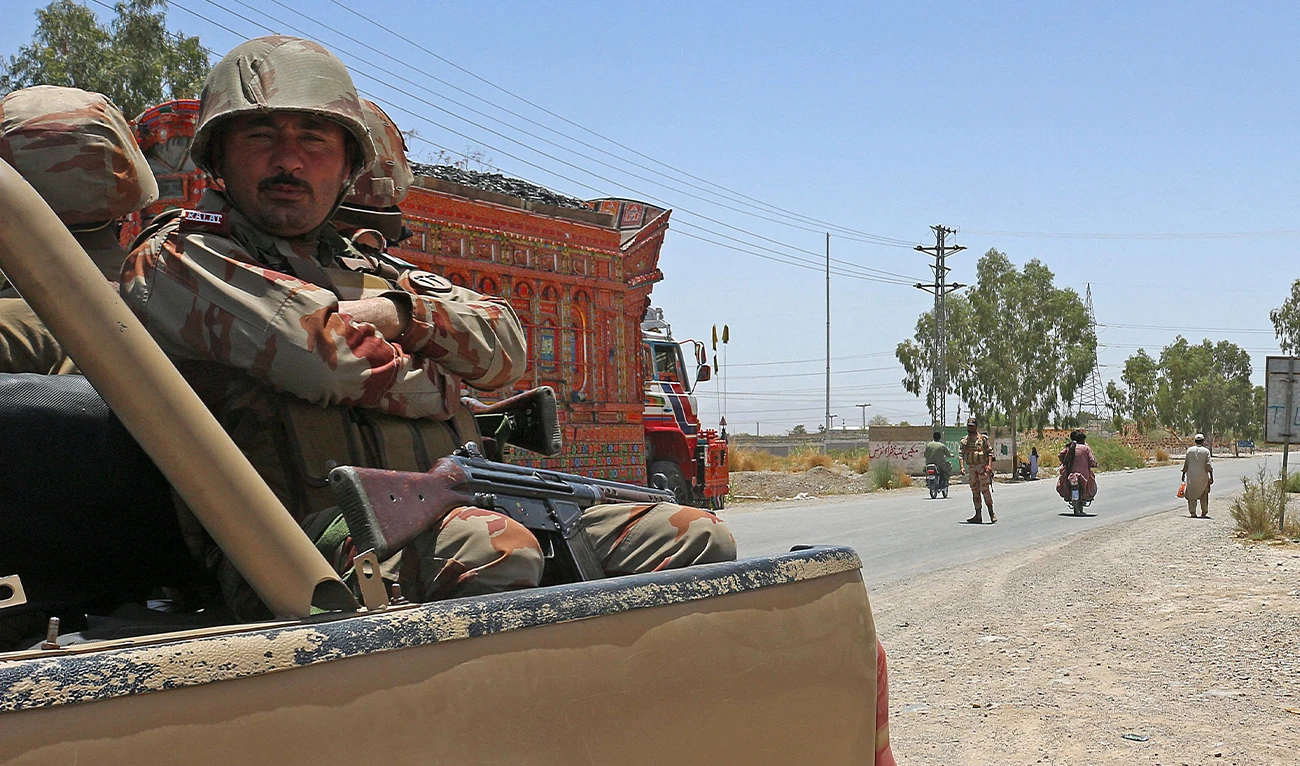
Concerns are rising that the situation will further deteriorate with the current flood situation, where 30 million people in the South Asian nation have been rendered homeless as the country is has been hit by the heaviest monsoon rains in decades.
Downpours and floods have wreaked havoc in Pakistan since June 14, with disaster management authorities recording at least 982 extreme weather-related deaths. The southwestern Balochistan province and Sindh in the south of the country have been the worst hit by rain damages and floods.
“Terrible floods that are currently happening in Pakistan, will affect women and girls the most. Children will get diseases from water, so, any good program should be nimble enough and flexible enough to provide a buffer to these shocks,” Princess Sarah, WFP’s special adviser on mother and child nutrition, told Arab News during an exclusive interview in Islamabad on Friday.
“We have to make sure that no one is left behind and everybody is given the support and access to education and nourishment which they deserve to have and ultimately is the best thing for the nation.”

The advocate for women’s, newborn, child, and adolescent health, arrived in Pakistan on Aug. 21 for a week-long working visit — her second to the South Asian country, a follow-up to a 2019 trip, to assess the efforts put forward to address the women’s and child nutrition situation during the past three years.
“It is to celebrate the fact that not only has the government of Pakistan embraced the role as a leader for nutritional and healthy development for Pakistani mothers, but it has gone above and beyond,” she said, adding that initiatives under the Benazir Income Support Program, which helps the government implement its social welfare plan, were “extraordinary.”
“I would ask the Pakistani government that don’t stop and keep going. I am here to encourage the government of Pakistan to continue their investment in the wellbeing and nutrition of mothers and children.”
During the trip, the princess has met government officials to advocate increased focus on maternal and child health and visited several WFP-supported nutrition projects in Sindh and Islamabad.
“The (Pakistani) women I have met are extraordinary from every level. From the government officials, the technical knowledge, the dedication, the passion they have for the wellbeing of their people. And the lady health workers, they are magnificent and they role they played in their community is really extraordinary,” she said.
She spoke about the need to create an enabling environment for girls in educational institutions to reduce their dropout ratio in the country that has an estimated 22.8 million out-of-school children, the second highest in the world, according to UNICEF. A majority of them, about 12.2 million, are girls, who face cultural and social barriers preventing them from seeking formal education, especially in rural areas.
“The girls have all sorts of reasons why they cannot be able to continue school,” Princess Sarah said. “We have to create enabling environment for the girls to stay in school.”
She also advocated raising awareness on family planning in Pakistan, the world’s fifth-most populous country, where the growth rate is about 2 percent.
“A woman should be able to decide, when and how many children she is going to have and that takes education, information,” she said, adding that women should not face societal pressure to give birth.
“You need to have access to family planning services to you as a woman and your husband, as husbands need to prioritize the health of their wives so that they can have a healthy family.”